
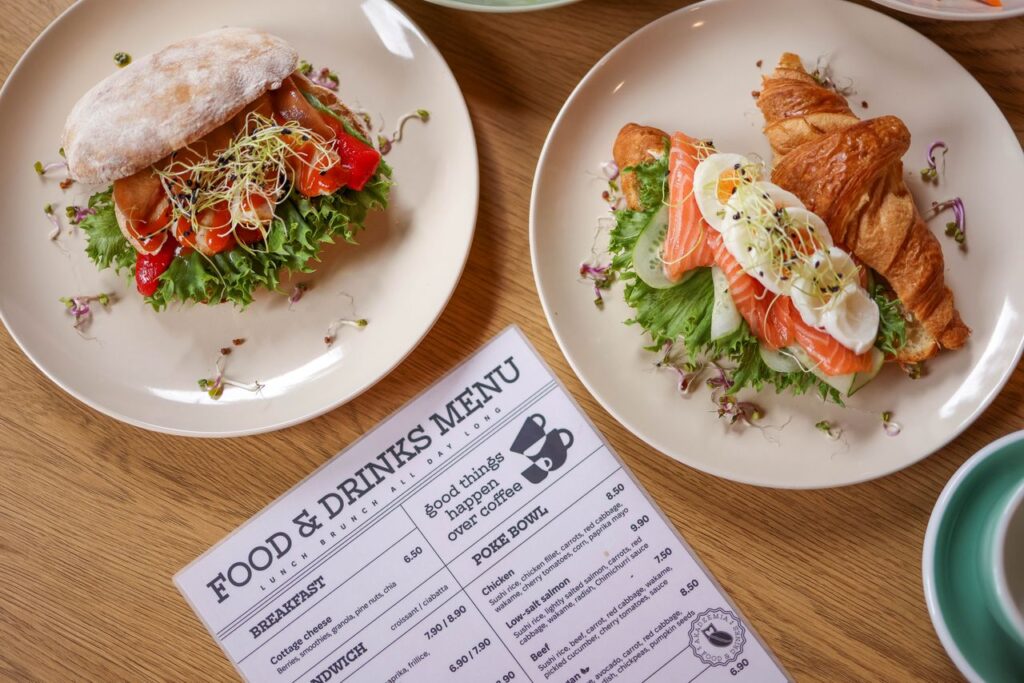
Texture can turn an ordinary menu item into a more memorable foodservice experience. A crisp finish on a warm bowl, a toasted layer in a tender sandwich, or a creamy element beside a crunchy one gives guests more to notice in every bite. Operators looking for adaptable finishing options can explore the range offered by a Fresh Gourmet fried vegetable manufacturer to build texture into familiar dishes.
The goal is not to add complexity for its own sake. Texture-first menu design means identifying what a dish needs, then adding one element that supports flavor, appearance, perceived value, and reliable execution.
Table of Contents
Key Takeaways
- Texture helps familiar foods feel more distinctive without requiring a complete recipe overhaul.
- Balanced contrasts, such as crisp with creamy or soft with crunchy, can improve the eating experience.
- Every texture-focused addition should be tested for dine-in, takeout, delivery, and holding conditions.
- Simple builds, clear portions, and versatile ingredients help teams protect speed and consistency.
- Strong menu language tells guests what they can realistically expect from the dish.
Why Texture Matters More in 2026
Guests experience food through more than flavor alone. Crunch can suggest freshness, a smooth sauce can make a dish feel comforting, and a layered bite can make a simple entrée feel more deliberate. Texture gives chefs and operators another way to create contrast while keeping a menu rooted in foods customers already know.
That approach aligns with the broader interest in comfort, value, clear menu labeling, and customizable additions identified in the National Restaurant Association’s 2026 culinary forecast. Texture can support those goals by making a dish feel satisfying without creating an expensive or difficult build.
Start With the Dish, Not the Topping
A finishing element should strengthen the main item, not disguise weak preparation. Before adding a crunchy garnish, toasted topping, or creamy drizzle, ask three practical questions:
- What texture is missing from the dish?
- Will the added element improve the first and final bites?
- Will it still perform after holding, transport, or reheating?
If the answer to any of these questions is no, the component may be decorative rather than useful. The best additions have a clear job in the finished dish.
Build Contrast With Simple Texture Pairings
Good contrast does not require a long ingredient list. One intentional pairing can make a menu item feel more complete while keeping prep manageable.
Useful Pairings to Test
- Crisp with creamy: A crunchy finish over a rich dip, grain bowl, or creamy soup.
- Soft with crunchy: Toasted vegetables or a crisp topping on a tender sandwich, wrap, or baked entrée.
- Chewy with light and airy: A crisp garnish with noodles, grains, or a soft dessert.
- Warm with cool: A warm dish paired with a chilled sauce, fresh herb topping, or crisp vegetable component.
- Rich with bright: A savory, roasted item balanced by fresh acidity and a delicate crunch.
The key is restraint. Too many competing textures can make a dish difficult to eat, slow to assemble, or confusing to describe on the menu.
Use Texture to Refresh Familiar Menu Items
Texture is especially useful for updating established favorites. A salad can gain a toasted finish, a pasta dish can get a crisp topping, and a soup can become more appealing with a separately packed garnish. These changes can create a seasonal feature or limited-time offer without forcing the kitchen to learn an entirely new recipe.
Familiar menu items are often the safest place to begin because the team already understands the base preparation, expected demand, and appropriate price point. Start with one popular item and one texture change, then compare guest response and operational results.
Design for Dine-In, Takeout, and Delivery
Texture changes over time. Steam softens crisp foods, sauces can absorb into toppings, and movement during delivery can shift carefully layered components. Build testing into normal service rather than judging an item only when it comes directly from the pass.
- Separate crisp components from steam-heavy foods whenever practical.
- Check the dish after five, 15, and 30 minutes.
- Observe how sauces affect firmness and crunch.
- Review packaging vents, compartments, and serving instructions.
- Ask staff whether the build remains consistent during busy periods.
Food safety must remain part of every menu change. The FDA Food Code serves as a model for retail and foodservice regulation, while state and local requirements determine the rules a specific operation must follow.
Keep Customization Simple for Staff
Customization can add value, but too many choices can slow a line and create inconsistent portions. Use clear descriptors such as crisp, toasted, creamy, or spicy. Set standard scoop sizes and build guides, and choose components that can appear in several dishes. A single versatile topping may work across bowls, salads, wraps, and soups.
Balance Appeal With Cost and Waste
An attractive addition needs an operational purpose. Review ingredient overlap, shelf life, storage space, portioning labor, and expected sales volume before launch. The strongest additions often improve several areas at once: they add texture, make the plate look more finished, support a clear menu description, and help guests see value in the item.
Make Texture Clear on the Menu
Specific language helps guests picture the experience before ordering. “Toasted vegetable crunch,” “whipped herb sauce,” or “crispy finish” is more useful than vague language that promises little. Descriptions should match the product served, particularly for off-premise orders where a crisp component may be packed separately.
Clear language also supports allergen communication and ingredient transparency. When a topping or finishing element changes, update the recipe guide, menu copy, and staff training materials simultaneously.
Test New Ideas Before a Full Launch
- Select a menu item with steady demand.
- Introduce one texture change at a time.
- Run the test during regular service hours.
- Track preparation time, waste, staff feedback, and guest comments.
- Review results before expanding the idea to other dishes.
Common Mistakes to Avoid
- Adding crunch without considering moisture, sauce, or steam.
- Offering so many options that staff cannot execute them consistently.
- Using a trend-driven ingredient that does not fit the core menu.
- Ignoring how the item changes after packaging and delivery.
- Calling a dish “crisp” or “fresh” when the final product does not deliver that experience.
Conclusion
Texture-first menu design does not require elaborate recipes or costly ingredients. A well-tested crisp finish, creamy layer, toasted element, or fresh contrast can make a familiar dish feel newly considered. The most effective approach combines sensory appeal with practical prep, dependable packaging, honest menu language, and consistent execution across every shift.