

Levels of Dementia Support: In-Home Care, Assisted Living, and Memory Care
Navigating the complexities of dementia care can be a profound challenge for families. For those in Dallas, Texas, ensuring a loved one receives appropriate support requires understanding a range of options and resources. As a vibrant and growing metropolitan area, Dallas offers diverse solutions for individuals living with cognitive decline.
This extensive guide aims to simplify the search for quality dementia care in Dallas. It explores the different types of care facilities, the average costs involved, and the essential services typically provided. Readers will learn how to identify the right care provider and discover valuable local support systems available for both individuals with dementia and their caregivers.
Dallas’s commitment to personalized support, including Dallas culturally sensitive dementia care, ensures a holistic care environment. This article will also highlight specialized programs, in-home care alternatives, and the critical differences between various senior living arrangements. By providing comprehensive information, this guide seeks to empower families to make informed decisions for quality dementia care in the Dallas metropolitan area.
Understanding the spectrum of dementia care options is crucial for families in Dallas. Care needs can evolve significantly as dementia progresses, necessitating different environments and levels of support. From maintaining independence at home to requiring specialized, secure residential settings, Dallas provides a range of solutions designed to meet varied requirements.

The primary categories of dementia care typically include in-home services, assisted living with memory support, and dedicated memory care communities. Each offers distinct advantages and is suited for different stages of cognitive decline.
Feature In-Home Dementia Care Assisted Living (with Memory Support) Specialized Memory Care Communities Environment Familiar home setting Residential community with shared spaces Secure, purpose-built residential community Focus Maintaining independence, personalized attention Social engagement, daily assistance, light supervision Specialized dementia programming, safety, structured routine Level of Care Varies from companion to skilled nursing Personal care, medication management, some supervision High supervision, 24/7 skilled staff, behavior management Security Home safety modifications, monitoring General security, staff presence, some controlled access Secure perimeters, alarmed exits, wandering prevention Services ADL assistance, meal prep, companionship, respite Meals, activities, personal care, medication assistance Therapeutic activities, cognitive therapy, specialized dining Progression Suitability Early to moderate stages, respite Early to moderate stages with stable behaviors Moderate to advanced stages, complex needs
In-Home Memory Support Services
For many Dallas families, the desire to keep a loved one in their familiar surroundings for as long as possible is paramount. In-home dementia care provides a flexible and personalized approach, allowing individuals to receive support while remaining in their own homes. These services, often provided by agencies like Visiting Angels Dallas, which has offered in-home Alzheimer’s and senior care since 2008, are tailored to the specific needs of the individual.
In-home memory support can encompass a wide array of services designed to enhance safety, maintain routine, and provide essential daily assistance. This includes help with activities of daily living (ADLs) such as bathing, dressing, and grooming, as well as meal preparation, light housekeeping, and medication reminders. Beyond practical support, caregivers often provide companionship, engaging individuals in meaningful activities that stimulate cognitive function and reduce feelings of isolation. Respite relief is another critical component, offering family caregivers much-needed breaks to recharge while ensuring their loved one continues to receive professional attention. Safety monitoring is also a key aspect, with caregivers trained to identify potential hazards and implement strategies to prevent accidents or wandering. This approach allows for a highly individualized care plan that respects personal preferences and preserves dignity, making it a cornerstone of effective dementia care in Dallas.
Residential Memory Care Communities
When in-home care is no longer sufficient, or when the safety and well-being of an individual with dementia require a more structured and secure environment, residential memory care communities in Dallas offer specialized solutions. These facilities are specifically designed to cater to the unique needs of individuals living with Alzheimer’s disease and other forms of dementia.
Dallas is home to numerous reputable memory care communities, including options like Ventana by Buckner, Sunrise of Hillcrest, Brookdale Lake Highlands, and Belmont Village Turtle Creek, among others. These communities prioritize the safety and engagement of their residents through carefully planned environments. Key features often include secure perimeters, alarmed exits, and staff trained in wandering prevention techniques, ensuring residents cannot inadvertently leave the premises and become disoriented.
Beyond security, these communities offer structured routines that provide a sense of predictability and comfort, which is highly beneficial for individuals with cognitive decline. Services typically include 24-hour supervision, assistance with all activities of daily living, and specialized dining programs. A cornerstone of residential memory care is the provision of cognitive therapy and life enrichment activities. These might involve sensory stimulation rooms, art and music therapy, reminiscence therapy, and tailored social engagements designed to maintain cognitive function, foster social interaction, and enhance overall quality of life. Many communities also feature secure outdoor courtyards, allowing residents to enjoy fresh air and nature in a safe setting. The goal is to create an environment where individuals with dementia can thrive, engage, and feel a sense of belonging, supported by a team of dedicated professionals.
Key Elements of Dallas Culturally Sensitive Dementia Care
Providing truly effective dementia care in a diverse city like Dallas goes beyond medical and personal care; it requires a deep understanding and respect for cultural backgrounds. Culturally sensitive dementia care acknowledges that an individual’s heritage, language, traditions, and family dynamics profoundly influence their experience of dementia and their response to care.
This approach ensures that care plans are not one-size-fits-all but are instead tailored to honor the individual’s life history and cultural identity. Key elements include cultural competence among staff, understanding varied family dynamics, accommodating dietary preferences, overcoming communication barriers, and providing individualized care that resonates with the person’s background. For instance, a caregiver’s ability to understand and respect specific cultural norms around food, personal space, or decision-making can significantly reduce anxiety and improve the quality of interaction for a person with dementia.
Language Access and Dallas Culturally Sensitive Dementia Care Programs
Language is a fundamental aspect of cultural identity and a critical factor in effective dementia care. For individuals whose primary language is not English, a language barrier can exacerbate confusion, distress, and isolation. Dallas, with its significant Hispanic population, places importance on language access in dementia care.
Many care providers and community initiatives recognize the need for bilingual staff, particularly Spanish-speaking caregivers, to ensure clear and empathetic communication. This includes offering translation services for families during consultations and providing cognitive testing in a native language to ensure accurate diagnoses and appropriate care planning. When individuals with dementia can communicate in their native tongue, it often brings a profound sense of emotional comfort and security, allowing them to express needs and feelings more freely. This focus on language access is a vital component of Dallas culturally sensitive dementia care, ensuring that all residents, regardless of their linguistic background, receive respectful and effective support. The Alzheimer’s Association, for example, offers Spanish support groups in the Dallas area, recognizing the importance of providing resources in a culturally and linguistically appropriate manner.
Faith-Based Outreach and Dallas Culturally Sensitive Dementia Care Practices
Faith and spirituality play a significant role in the lives of many individuals, and this often becomes even more pronounced in later life, and especially when facing cognitive decline. Recognizing this, Dallas culturally sensitive dementia care extends to faith-based outreach and practices, fostering environments where spiritual needs and cultural traditions are honored.
The “Dementia Friendly Dallas” initiative, for instance, actively encourages the development of Dementia Friendly Faith Communities. This involves educating religious leaders and congregations on how to create more inclusive and supportive environments for individuals with dementia and their care partners. For many, participation in religious services, spiritual rituals, or community engagement within their faith group provides immense comfort, continuity, and a sense of belonging. Care facilities and in-home caregivers in Dallas strive to accommodate these needs, whether through facilitating attendance at religious services, providing pastoral care, observing specific dietary restrictions related to faith, or incorporating spiritual practices into daily routines. By integrating spiritual support and respecting cultural traditions, these programs help individuals with dementia maintain a connection to their core identity and community, enriching their overall well-being.
Recognizing the Signs: When to Transition to Professional Care
Deciding when to seek professional dementia care is one of the most challenging decisions families face. It often begins with subtle changes that gradually become more pronounced, impacting daily life and safety. Recognizing these early indicators is crucial for timely intervention and ensuring the best possible outcome for the individual with dementia and their caregivers.
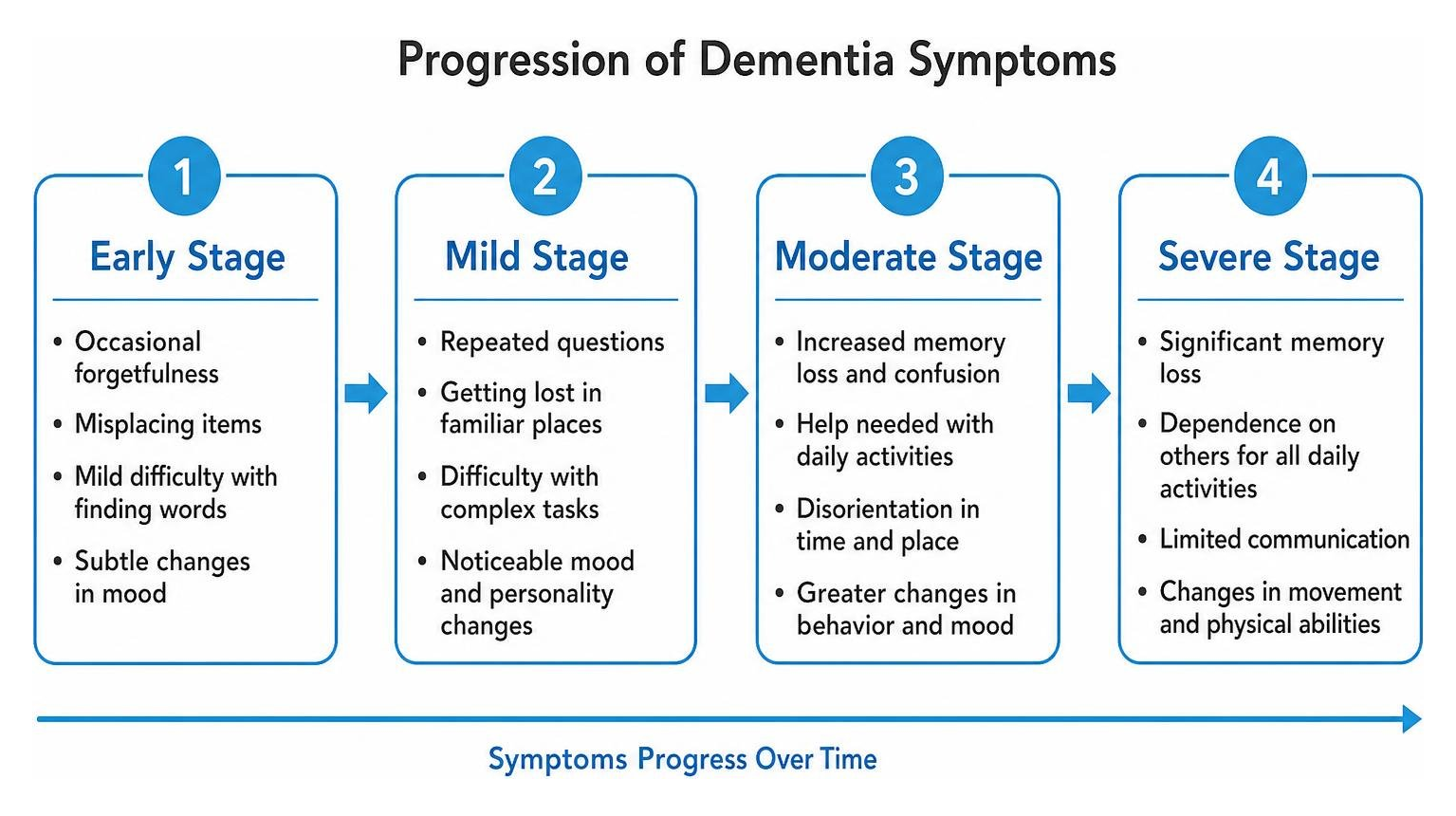
Here are key signs that may indicate a need for professional dementia care:
- Memory Deficits Impacting Daily Life: More than occasional forgetfulness, this includes repeatedly asking the same questions, getting lost in familiar places, or forgetting how to perform tasks they’ve done countless times.
- Difficulty with Complex Tasks: Struggling with managing finances, following recipes, or operating household appliances that were once routine.
- Mood and Personality Changes: Uncharacteristic irritability, anxiety, depression, apathy, or sudden shifts in temperament.
- Poor Judgment: Making questionable decisions, falling for scams, or neglecting personal hygiene.
- Language Problems: Difficulty finding the right words, stopping mid-sentence, or struggling to follow conversations.
- Disorientation to Time and Place: Regularly losing track of dates, seasons, or where they are.
- Misplacing Items Frequently: Placing objects in unusual locations (e.g., car keys in the refrigerator) and being unable to retrace steps.
- Withdrawal from Social Activities: Losing interest in hobbies, social engagements, or work activities they once enjoyed.
- Increased Safety Risks: Forgetting to turn off the stove, leaving doors unlocked, or wandering away from home, which poses significant danger.
- Caregiver Burnout: The primary caregiver experiencing overwhelming stress, exhaustion, and declining health due to the demands of caregiving.
- Medication Errors: Consistently forgetting to take medications or taking incorrect dosages.
Clinical Evaluation and Multispecialty Diagnosis
Once these signs become apparent, seeking a professional clinical evaluation is the next critical step. In Dallas, institutions like UT Southwestern Medical Center offer comprehensive diagnostic services for memory disorders. A thorough evaluation can differentiate between normal age-related changes, reversible causes of cognitive decline, and actual dementia.
The diagnostic process typically involves a multispecialty team, including neurologists, geriatric psychiatrists, and neuropsychologists. This team may conduct a detailed medical history review, physical and neurological examinations, cognitive and neuropsychological evaluations to assess specific cognitive domains, and psychiatric evaluations to rule out or address co-occurring mental health conditions. Advanced imaging techniques, such as MRI, CT, and PET scans, along with laboratory tests, may also be utilized to identify underlying causes or rule out other conditions.
Importantly, some causes of memory loss are reversible and treatable, such as medication side effects, vitamin deficiencies, infections, thyroid disorders, or normal pressure hydrocephalus. A comprehensive diagnosis ensures that these reversible conditions are identified and addressed. If dementia is diagnosed, the multispecialty team can then develop a tailored treatment plan focused on managing symptoms, slowing progression where possible, and improving the individual’s daily functioning and quality of life. This integrated approach not only provides clarity for families but also connects them to ongoing support and therapeutic interventions.
Cost of Memory Care in Dallas and Financial Planning
Understanding the financial implications of dementia care is a significant concern for families in Dallas. The cost of memory care can vary widely based on the type of facility, the level of services required, amenities offered, and geographic location within the Dallas-Fort Worth metroplex. Planning for these expenses is essential to ensure sustainable, high-quality care.
According to recent statistics (as of October 2026), the price of memory care in Dallas ranges from approximately $6,315 to $9,730 per month, with an average cost of $8,097. These figures represent a substantial financial commitment, often exceeding the cost of assisted living due to the specialized nature of the care provided, including enhanced security, higher staff-to-resident ratios, and tailored therapeutic programs.
Several factors influence the overall cost:
- Type of Facility: Stand-alone memory care communities often have different pricing structures compared to memory care units within larger assisted living or continuing care retirement communities.
- Level of Care: Individuals with more advanced dementia or complex behavioral challenges may require a higher level of care, which can increase monthly fees.
- Amenities and Services: Facilities offering extensive amenities (e.g., private rooms, gourmet dining, specialized therapies, extensive activity programs) typically command higher prices.
- Location: Costs can vary slightly across different neighborhoods within Dallas, though the average remains consistent for the city proper.
Families exploring financial planning for dementia care typically consider several avenues. Private pay is the most common method, utilizing personal savings, pensions, and investments. Long-term care insurance policies, if acquired before a dementia diagnosis, can cover a significant portion of memory care costs. It’s crucial to review policy details to understand coverage limits and eligibility. Veterans benefits, such as the Aid and Attendance program, may be available for eligible veterans and their spouses to help offset care expenses. While Medicaid waivers exist in Texas to help cover care costs for individuals with limited financial resources, eligibility criteria are strict and often involve a spend-down process. Navigating these options can be complex, and consulting with a financial advisor specializing in elder care can provide invaluable guidance for Dallas families.
Community Initiatives: Dementia Friendly Dallas and Caregiver Resources
Caring for individuals with dementia extends beyond formal care facilities; it’s a community-wide effort. Dallas has embraced this philosophy through initiatives like “Dementia Friendly Dallas,” aiming to create a more informed, understanding, and supportive environment for those living with dementia and their care partners. These initiatives, alongside various caregiver resources, form a vital safety net for families navigating the complexities of dementia.
Dementia Friendly Dallas is a collaborative effort involving individuals, businesses, and organizations committed to helping individuals with dementia live, engage, and thrive. Its core mission is to unify local resources and promote awareness through various programs:
- Become a Dementia Friend: This program offers educational sessions that teach community members how to interact respectfully and supportively with people living with dementia, fostering empathy and understanding.
- Dementia Friendly @ Work: Businesses are encouraged to implement practices that make their establishments more accessible and welcoming for customers and employees with dementia.
- Dementia Friendly Engage: Programs designed to promote social engagement and inclusion for individuals with dementia in community settings.
- Dementia Friendly Faith Communities: Encouraging religious institutions to become more inclusive and supportive of members with dementia and their families.
- Respite Support: Emphasizing the importance of providing relief for caregivers, acknowledging that caregiver well-being is paramount to sustainable care.
Beyond these initiatives, Dallas and the surrounding North Texas region offer extensive resources for caregivers. The Alzheimer’s Association is a cornerstone of support, providing a 24/7 Helpline (1-800-272-3900) for confidential emotional support, crisis assistance, and local resource information in over 200 languages. They also host numerous support groups across Dallas County, including locations in Farmers Branch, Dallas, DeSoto, Irving, and Richardson, as well as in other surrounding counties and virtually. These groups, often led by trained facilitators, create safe spaces for caregivers to share experiences, gain practical advice, and find mutual support. For instance, the James L. West Center for Dementia Care also highlights its Senior Day Program and Home Care team, contributing to community support.
Other resources include caregiver education programs, which equip families with strategies for managing behavioral changes, improving communication, and navigating the progression of dementia. Organizations like Texas Health Dallas also host support groups, such as the “Care Partners for Memory Disorders Support Group,” further expanding the network of available assistance. These community initiatives and caregiver resources are indispensable, ensuring that families in Dallas do not have to face dementia alone, but rather are supported by a compassionate and informed community.
Frequently Asked Questions About Dallas Memory Care
Navigating the landscape of dementia care in Dallas often brings forth common questions from families. Here, we address some of the most frequently asked inquiries to provide clarity and guidance.
What is the average monthly cost of memory care in Dallas?
As of October 2026, the average monthly cost for memory care in Dallas, Texas, is approximately $8,097. However, this figure can vary significantly, with prices ranging from about $6,315 to $9,730 per month. This range is influenced by several factors, including the specific community’s amenities, the level of care required by the individual, the staff-to-resident ratio, and the types of specialized programs offered. Facilities with private rooms, extensive therapeutic activities, and higher staff expertise typically fall at the higher end of this pricing spectrum. It is always recommended for families to inquire about a detailed breakdown of costs from potential providers.
What are the earliest signs that indicate a need for memory care?
The earliest signs indicating a potential need for professional memory care often involve a noticeable decline in cognitive abilities that begins to impact daily safety and independence. These include:
- Increased Safety Risks: Forgetting to turn off appliances, wandering and getting lost, or making unsafe decisions.
- Persistent Confusion and Disorientation: Regularly struggling with time, place, or recognizing familiar people.
- Significant Behavioral Changes: Uncharacteristic agitation, aggression, severe mood swings, or withdrawal from activities.
- Difficulty with Daily Tasks: Struggling to manage personal hygiene, prepare meals, or take medications correctly.
- Caregiver Strain: When the demands of caregiving become overwhelming for family members, leading to exhaustion and impacting their own health.
While mild forgetfulness can be a normal part of aging, when these symptoms become frequent, severe, and pose risks, it’s a strong indicator that professional intervention and a more structured, supportive environment may be necessary.
How does Dementia Friendly Dallas assist local families?
Dementia Friendly Dallas is a community-wide initiative dedicated to fostering a supportive and understanding environment for individuals with dementia and their care partners. It assists local families by:
- Community Training and Awareness: Offering “Dementia Friend” sessions that educate the public, businesses, and organizations on how to better understand and interact with individuals living with dementia. This helps create more patient and empathetic interactions in everyday settings.
- Respite Programs and Support: While not directly providing respite care, the initiative emphasizes the importance of respite support for caregivers, often connecting families to resources that offer temporary relief.
- Business Education: Encouraging local businesses to become “Dementia Friendly” by training staff and adapting environments to be more accessible and less confusing for individuals with cognitive decline.
- Creating Accessible Spaces: Promoting the development of inclusive environments where individuals with dementia can continue to engage in community life, whether through faith communities or other social programs.
By raising awareness and providing practical tools, Dementia Friendly Dallas helps build a network of support that allows individuals with dementia to live, engage, and thrive within their community, while also alleviating some of the burden on their family caregivers.
Conclusion
Navigating the journey of dementia care in Dallas is a deeply personal and often complex undertaking, yet families are not alone. From the flexibility of in-home support to the specialized, secure environments of residential memory care communities, Dallas offers a comprehensive ecosystem of services designed to meet evolving needs. Understanding the different levels of care, the financial considerations, and the critical signs indicating a need for professional intervention empowers families to make informed decisions.
The city’s commitment to holistic support is further exemplified by initiatives like Dementia Friendly Dallas and the robust network of caregiver resources provided by organizations such as the Alzheimer’s Association. These community connections, coupled with the availability of advanced clinical evaluations and culturally sensitive care practices, underscore Dallas’s dedication to enhancing the quality of life for individuals living with dementia and their families across North Texas. By leveraging these resources and planning proactively, Dallas families can ensure their loved ones receive compassionate, effective, and dignified care, fostering well-being and peace of mind for all.