
Key Takeaways
- Natural light improves mental health and elevates mood.
- Sun exposure supports healthy circadian rhythms for better sleep.
- Maximizing natural light cuts energy consumption.
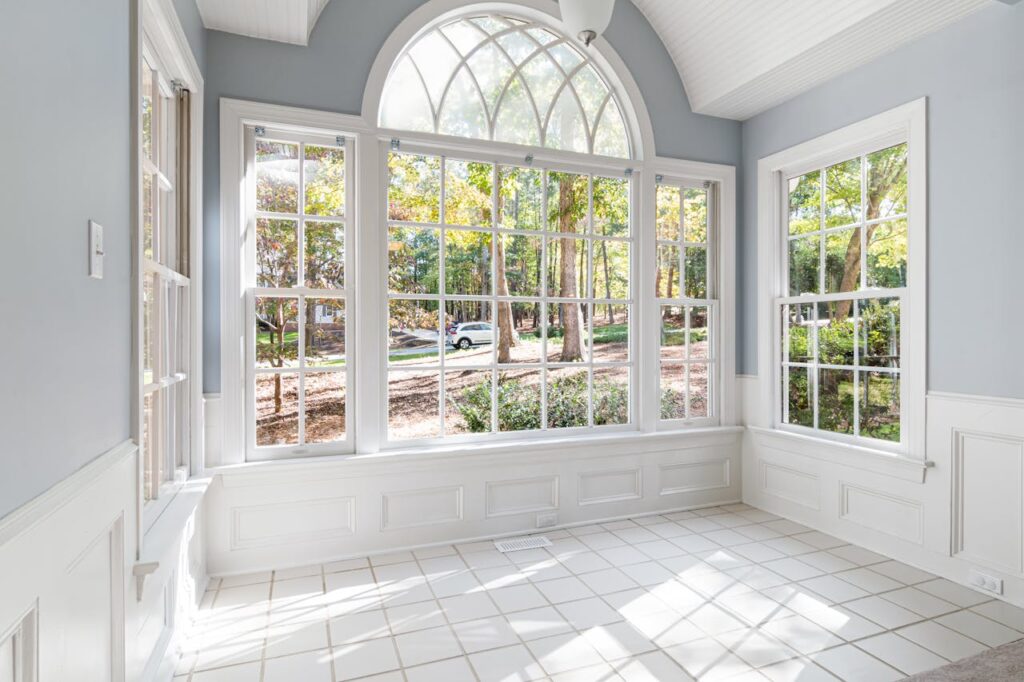
- Daylight increases the perceived size and beauty of your interior spaces.
Bringing natural light into your living space goes far beyond aesthetics. Homeowners who prioritize daylight gain measurable advantages, from physical and mental well-being to long-term energy savings. Thoughtfully designed spaces make the most of the sun’s rays, illuminating rooms while providing a host of health and economic perks. Whether you are planning a new layout or looking to update existing interiors, the right choices can brighten every aspect of your home’s atmosphere, including smart solutions like high-quality blinds.
Exposure to sunlight influences mood, sleep patterns, and even the perception of space, making it a powerful tool for comfort and ambiance. Besides lowering your utility costs, natural light brings out the beauty of your home’s materials and color schemes, transforming ordinary rooms into extraordinary environments. As you consider options for windows, floor plans, or finishes, keep in mind how small changes can deliver a lasting impact.
Enhancing Mood and Mental Health
Consistent exposure to natural light is directly associated with psychological benefits. When sunlight enters your home, it elevates serotonin levels, which play an important role in stabilizing mood and promoting happiness. Research cited in The Washington Post underscores that even brief periods of daily sunlight can help regulate mood, sleep quality, and overall well-being.
Strategically placed windows and open layouts let more natural light into your main living areas, helping reduce stress and symptoms of seasonal depression. Regular daylight exposure has even been shown to heighten productivity and focus, making it particularly valuable in home offices and study spaces.
Regulating Circadian Rhythms
Your circadian rhythm is the internal clock that governs sleep, wakefulness, and many bodily functions. The blue wavelengths in sunlight signal to your brain that it is time to be alert and awake. As the sun sets, reduced light prompts the body to wind down, preparing for restorative sleep. According to the Los Angeles Times, aligning your daily exposure to natural lighting patterns goes a long way toward improving rest, increasing daytime energy, and reducing the risk of chronic health issues. Careful window placement, paired with features like sheer curtains or light-filtering shades, ensures a healthy balance of brightness throughout the day. The thoughtful use of transparent or translucent materials helps avoid glare and lets you fine-tune your environment for comfort.
Energy Efficiency and Cost Savings
Relying on sunlight rather than artificial lighting reduces electricity use and lowers monthly bills. Well-designed homes that maximize daylight require fewer lights during the day, which is especially impactful in commonly used rooms like kitchens, living rooms, and bathrooms. Incorporating design solutions like larger windows or skylights dramatically improves interior brightness while reducing the need to flip on lights year-round. Research from the U.S. Department of Energy suggests that optimized daylight can lead to significant reductions in lighting and heating costs. Proper window orientation and the use of thermal glazing help control indoor temperatures, creating a sustainable, cost-effective indoor environment. Learn more about designing energy-efficient homes in this resource from the U.S. Department of Energy.
Aesthetic Appeal and Space Perception
Natural light not only brightens your rooms but also visually expands them. Sunlight enhances the vividness of paint, upholstery, and wood grains, allowing you to showcase your interior design with greater depth and realism. Well-lit spaces often feel more inviting and less confined. Architectural features like alcoves, niches, or textured walls catch and reflect daylight, further enhancing their visual interest.
Light-colored walls, ceilings, and floors amplify the effect, bouncing sunlight deeper into your home. Combining open floor plans with glass doorways or transom windows extends these effects across larger areas, making even compact spaces feel airy and spacious.
Health Benefits Beyond Mood
The advantages of sunlight go beyond mental well-being. Natural light exposure is essential for the body’s ability to produce vitamin D, which supports bone health, immune function, and cardiovascular wellness. Adequate lighting also reduces eye strain when reading or performing tasks, an increasingly important consideration for families spending more time at home. Integrating larger windows or daylight tubes in kitchens, bathrooms, and hallways ensures every room benefits from this vital resource, contributing to a healthier lifestyle for all household members.
Implementing Daylight in Home Design
You can take several practical steps to maximize daylight in your home. Consider these strategies for achieving optimal results:
- Install larger windows or sliding glass doors to allow more sunlight in.
- Use light and reflective finishes on walls, ceilings, and furniture to increase brightness.
- Incorporate skylights in rooms with limited exterior walls.
- Opt for open layouts to let light flow freely across adjoining spaces.
When privacy or glare is a concern, adjustable window treatments like automatic blinds enable you to control the intensity and direction of light, offering both comfort and flexibility.
Conclusion
Natural light is a cornerstone of effective, healthy home design. Its influence extends from mood elevation to energy savings and from aesthetic appeal to long-term health benefits. By thoughtfully implementing daylighting techniques in your home, you can create brighter, happier spaces that support your well-being and reduce your ecological impact. Simple steps, mindful planning, and the right products help transform every room into a welcoming, sunlit retreat.