
Key Takeaways
- Digital healthcare technology is streamlining workflows and improving the quality of patient care.
- Healthcare workers must evolve their skills to embrace technological advancements and remain competitive.
- Emerging technologies, such as artificial intelligence and wearable health devices, are creating novel career opportunities across the sector.
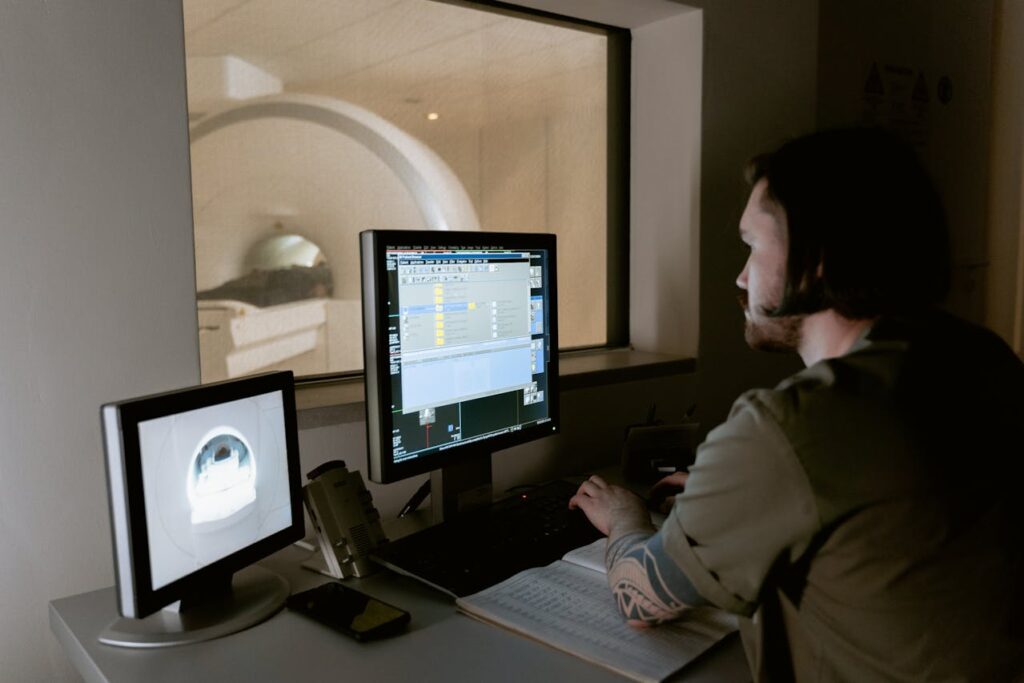
Photo by MART PRODUCTION
Digital technology is driving a significant transformation in the healthcare sector, creating more efficient processes and opening new pathways for professionals. From virtual care platforms to advanced data analytics, healthcare today is a growing landscape that is changing how patients receive care and how providers navigate their careers. For those considering entering the field or enhancing their credentials, online nursing programs offer an accessible way to adapt and thrive in this digital era.
This shift toward digital healthcare means workers must continually update their skills to remain relevant. Learning to work with digital records, telemedicine platforms, and specialized health technology has become a core requirement. As health systems and professionals adapt to this new landscape, both opportunities and challenges abound.
Integration of Digital Tools in Healthcare
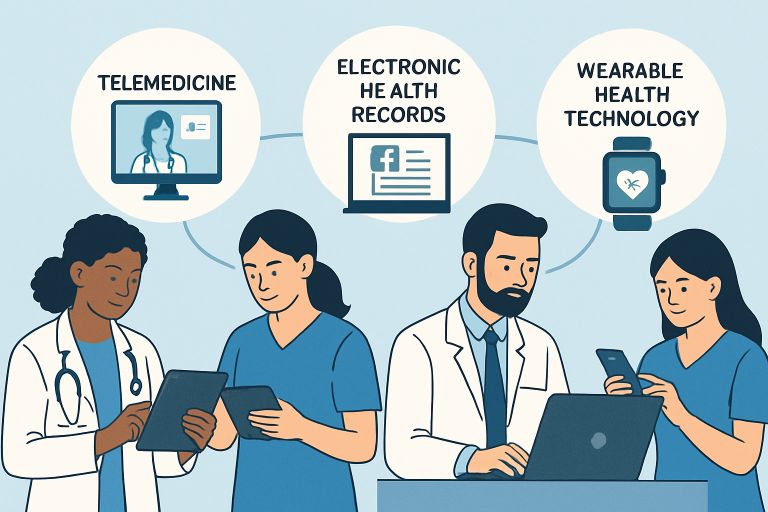
Incorporating digital tools into healthcare has dramatically shaped daily operations, clinical workflows, and patient experiences. Electronic health records, real-time analytics, and decision support systems are now central to ensuring effective and timely care. For example, the use of telemedicine platforms has helped extend access to care across geographic boundaries, while streamlined data management reduces time-consuming paperwork and minimizes errors. As Forbes highlights, digital integration enables improved cross-functional team coordination and better clinical outcomes.
This digital transformation also ensures that healthcare operations are more agile and responsive. Modern software tools allow multiple professionals to access patient information simultaneously, making collaborative care easier and more effective. Ultimately, patients benefit through individualized treatment plans, proactive intervention, and a more connected care experience.
Emergence of New Career Opportunities
The ever-evolving healthcare landscape is generating new roles previously unimaginable in traditional medicine. There is an increased demand for skilled workers in health informatics, digital health strategy, and medical data analytics, driving significant growth in health IT teams. According to Becker’s Hospital Review, hospitals and healthcare systems are now expanding their hiring practices to recruit talent that can implement, maintain, and innovate within these digital frameworks.
These new roles require an understanding of both clinical practice and technical principles. Professionals equipped to bridge clinical needs and digital solutions are now some of the most valued contributors to modern healthcare teams. As a result, the field is attracting candidates with backgrounds in software engineering, data science, and biotechnology, as well as traditional healthcare credentials.
Importance of Digital Skills for Healthcare Professionals
Regardless of role or specialization, healthcare professionals are now expected to possess a foundational level of digital skills. The use of telehealth, electronic health records, and AI-based diagnostic tools has become standard practice in many facilities. According to a Times of India article, embracing digital tools not only helps professionals remain competitive but also opens up opportunities for career advancement and specialization.
Ongoing professional development through digital skills training is now essential. Many employers offer in-house training in health IT, cybersecurity awareness, and data analysis. This continuous education is critical in an industry where rapid innovation is the norm.
Impact of Artificial Intelligence on Healthcare Roles
The introduction of artificial intelligence (AI) into clinical and administrative processes is changing both the nature and focus of many healthcare jobs. AI algorithms can assist with diagnosing conditions, predicting patient outcomes, and optimizing resource allocation, thereby freeing healthcare workers to focus on more complex and value-driven tasks. Health system leaders are investing in AI education and change management to maximize the technology’s benefits and to ensure their teams are prepared for the future.
As AI automates routine tasks, healthcare professionals’ focus increasingly shifts toward compassionate patient care, problem-solving, and innovation, marking a significant shift in workers’ daily responsibilities across the sector.
Role of Wearable Devices in Patient Care
Wearable healthcare technology, such as fitness trackers and continuous glucose monitors, empowers patients to participate actively in their own care. These devices monitor vital signs, activity levels, sleep patterns, and even electrocardiogram data in real-time. By sharing these insights directly with providers, patients enable clinical teams to intervene earlier and to offer more personalized care. This trend is reducing unnecessary hospital visits, helping keep chronic conditions under control, and supporting preventive care strategies.
Challenges and Opportunities in Digital Transformation
The rise of digital technology in healthcare is not without hurdles. Automation is rapidly changing the job landscape; traditional roles in billing, scheduling, and basic administration are increasingly managed by sophisticated software. This evolution can be challenging for workers whose roles are vulnerable to automation. At the same time, it offers an incentive for upskilling and career mobility, as new positions requiring expertise in these technologies are in high demand.
Continuous adaptation and learning are key to thriving in this new environment. Healthcare professionals who embrace digital skills, pursue ongoing training, and stay aware of industry trends will be best positioned for future success. Additionally, organizations are investing in workforce development to ensure their teams are prepared for ongoing technological change.
Conclusion
Digital technology continues to drive profound change throughout the healthcare industry. From streamlining clinical workflows to creating new career paths, innovation is at the core of modern healthcare. For anyone considering a healthcare career or those already working in the industry, embracing digital skills and keeping pace with evolving technology is essential to providing quality patient care and advancing professionally in this dynamic field.