
Intravenous (IV) therapy has become increasingly popular as a method for delivering essential nutrients and fluids directly into the bloodstream. By administering treatments that bypass the digestive system, IV therapy offers rapid absorption and immediate effects, making it appealing for both clinical and wellness purposes. If you are interested in exploring treatment options, IV Therapy Services are widely available and tailored for various health needs. This article offers a comprehensive review of IV therapy, including its proven benefits, its growing use in wellness culture, and the safety and regulatory factors everyone should consider before starting treatment.
IV therapy is well established in medical settings for treating dehydration and nutritional deficiencies, yet its use for general wellness is more controversial. Recent years have seen a surge in wellness clinics offering IV drips marketed for energy boosts, immune support, and skin health. With this surge comes an increased need for consumer awareness and understanding of what IV therapy can and cannot do according to scientific evidence.
Key Takeaways
- IV therapy administers nutrients directly into the bloodstream, leading to faster absorption than oral supplements.
- It is medically approved for treating conditions like dehydration and nutrient deficiencies.
- Research supporting regular IV therapy for healthy individuals is limited.
- Potential risks include infection, electrolyte imbalance, and vitamin toxicity.
- Always consult a healthcare professional before considering IV therapy.
Table of Contents
How IV Therapy Works
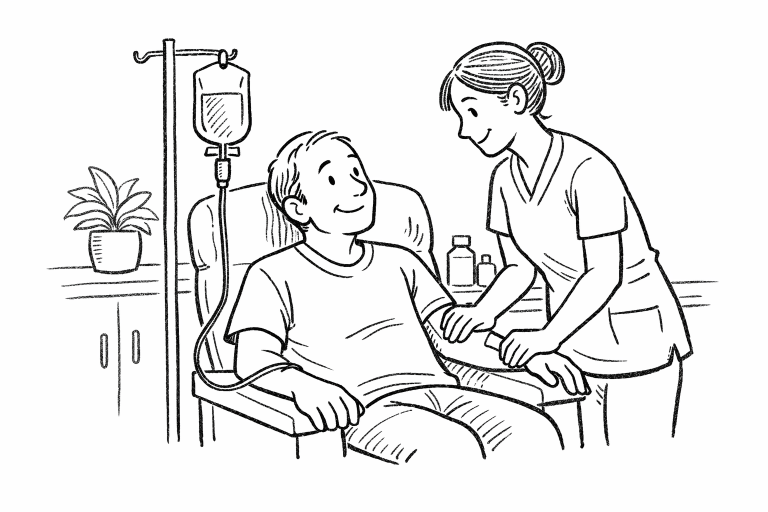
IV therapy involves the administration of fluids, vitamins, minerals, and sometimes medications directly into a vein. By skipping the digestive process, these substances enter the circulatory system almost instantly, ensuring maximum bioavailability. This is why hospitals often utilize IV therapy to treat acute conditions that require rapid correction, such as severe dehydration or life-threatening infections. The process typically involves inserting a sterile catheter into a vein, usually in the arm, through which the fluids can flow.
Medical Applications of IV Therapy
Clinical use of IV therapy has a long and well-documented history. It is routinely used to:
- Treat dehydration: Rapidly restore lost fluids and electrolyte balance, especially after illness, surgery, or excessive heat exposure.
- Correct nutrient deficiencies: Particularly for patients who have absorption issues, such as those with Crohn’s disease, celiac disease, or post-bariatric surgery.
- Administer medication: Many treatments, such as chemotherapy or antibiotics for severe infections, are most effective when delivered intravenously.
For individuals who cannot safely or adequately absorb nutrients through their digestive tract, IV therapy can be lifesaving. According to the Cleveland Clinic, IV fluids remain a cornerstone in modern emergency and hospital care.
IV Therapy for General Wellness
The mainstreaming of IV therapy in wellness spas and boutique clinics typically targets healthy people seeking better hydration, enhanced energy, immune support, or aesthetic benefits like glowing skin. Proponents claim that vitamin and nutrient infusions provide immediate vitality and long-term wellness benefits. Despite these claims, there is little high-quality scientific evidence supporting routine IV therapy for healthy individuals.
For example, a JAMA Internal Medicine study notes that many wellness clinics market their IV services with little supporting evidence. Regulatory oversight often lags behind industry growth, increasing the risk of consumers receiving unnecessary or even unsafe treatments.
Potential Risks and Side Effects
Like any medical intervention, IV therapy is not risk-free. The most significant risks include:
- Infection: Anytime a needle breaches the skin, there is potential for bacteria or other pathogens to enter the bloodstream.
- Vitamin toxicity: High doses of certain vitamins, such as vitamin A or D, can be toxic and cause serious health issues.
- Electrolyte imbalance: Overly concentrated solutions or improper mixing can disrupt the body’s electrolyte balance, potentially leading to arrhythmias or seizures.
- Medication and nutrient interactions: Some patients may experience negative interactions with medications or existing medical conditions.
It is crucial that any IV therapy, whether for health or wellness, be administered by a licensed health professional who can assess individual risks based on your health status and goals.
Regulatory Oversight and Consumer Awareness
Due to the explosive growth of IV therapy spas and clinics in recent years, regulatory agencies have struggled to keep pace. A recent analysis from Yale University highlighted the relative lack of oversight in the IV hydration industry, raising alarm about both the quality and safety of some services. Consumers should be vigilant, choosing providers with clear medical credentials and established protocols for infection prevention and emergency response.
Conclusion
IV therapy can be a critical component in the management of specific medical conditions and is invaluable in emergency and inpatient care. Its popularity as a wellness trend, however, is not fully supported by science, and the risks involved should not be overlooked. Individuals considering IV therapy, whether for medical or general wellness purposes, should always consult with licensed healthcare professionals. Proper oversight, personalized assessment, and reputable providers ensure the safest and most effective outcomes.