In times of crisis, every second counts. Basic Life Support (BLS) training equips laypersons, first responders, and healthcare professionals with the skills needed to save lives before emergency medical services arrive. As more people acquire BLS skills through programs such as BLS certification, communities are better prepared to handle emergencies in schools, workplaces, and public spaces.
Key Takeaways
- BLS training empowers individuals to provide immediate assistance during medical emergencies.
- Widespread BLS education enhances community resilience and safety.
- Real-life examples demonstrate the life-saving potential of BLS skills.
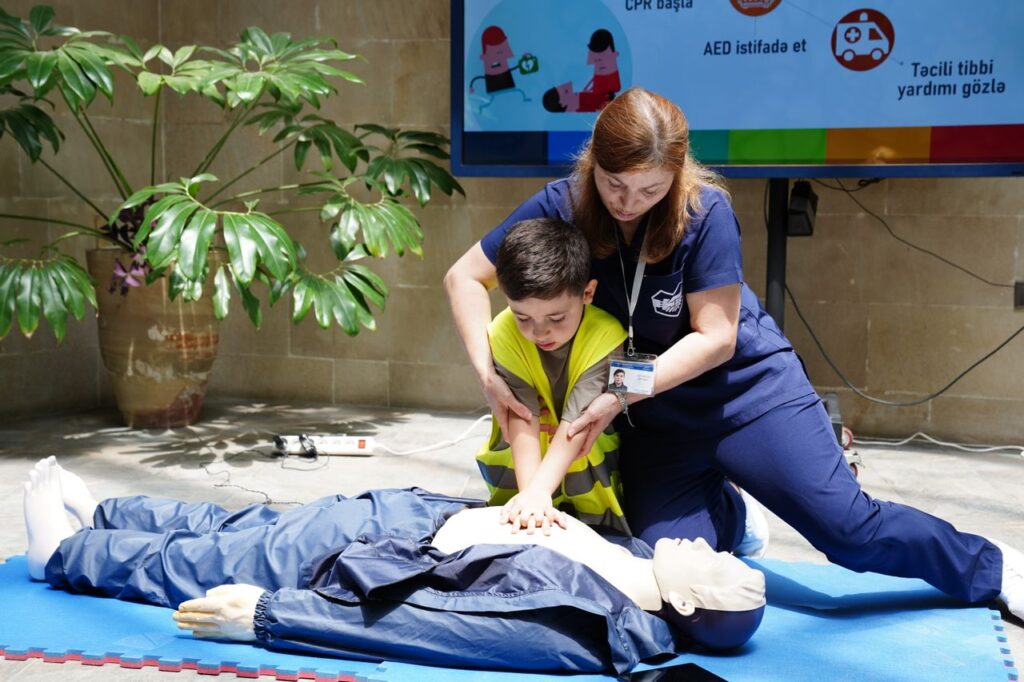
BLS skills include effective cardiopulmonary resuscitation (CPR), the use of automated external defibrillators (AEDs), and the management of airway obstructions or choking incidents. By teaching individuals to act confidently and decisively in emergencies, BLS training not only increases survival rates but also minimizes long-term complications for those who need immediate medical attention.
Incorporating BLS training into schools, offices, and community programs helps to normalize emergency preparedness and build a network of capable bystanders. When more community members are trained, the likelihood of a qualified individual being present in critical moments increases. This makes a profound difference in increasing positive outcomes after cardiac arrest, accidents, and other emergencies.
Furthermore, fostering a culture where BLS knowledge is widespread helps alleviate pressure on emergency response systems. By encouraging ordinary citizens to become proactive, communities substantially improve their ability to withstand and recover from medical incidents.
According to the American Heart Association, immediate CPR can double or even triple a cardiac arrest victim’s chances of survival.
The Importance of BLS Training
Basic Life Support training equips individuals with practical skills crucial in life-or-death situations. The ability to assess the scene, recognize a person in distress, and provide immediate intervention bridges the gap between the onset of an emergency and the arrival of advanced care. Effective CPR and AED usage give cardiac arrest victims the best possible chance of survival during those decisive early minutes.
BLS also includes essential knowledge for situations such as choking, severe bleeding, and injuries from accidents. Successful intervention in these scenarios can prevent a medical emergency from worsening, reducing the risk of long-term disability or fatality. The importance of public access to BLS training is recognized worldwide, with many medical and safety organizations advocating for ongoing community education in these life-saving skills.
Community Impact of BLS Education
When community members are trained in BLS, the collective safety and resilience of the group are significantly improved. Not only are bystanders more likely to provide assistance, but their presence can also comfort and reassure others in times of uncertainty. The presence of someone trained in BLS can be the difference between a tragic outcome and a remarkable recovery.
Public education programs encourage participation and create a sense of responsibility among citizens. By reducing the bystander effect, which often leads to hesitation or inaction in emergencies, BLS-trained individuals are more likely to take initiative, thereby increasing the community’s ability to respond to medical incidents. Communities with robust BLS programs consistently report better outcomes from accidents, medical crises, and natural disasters.
Real-Life Applications of BLS Skills
Real-world scenarios provide powerful evidence for the effectiveness of BLS education. For example, the widely recognized “Stop the Bleed” campaign has equipped millions of people worldwide with basic bleeding control techniques. Resulting interventions have stopped life-threatening blood loss following accidents, acts of violence, and natural disasters. The initiative’s impact illustrates the value of BLS education in empowering ordinary people to make extraordinary differences.
Sudden cardiac arrest in public places like airports, malls, or sporting venues is another critical circumstance where BLS-trained bystanders have proven invaluable. Prompt CPR and AED use by community members have repeatedly saved lives before emergency medical teams could arrive. These real-life stories highlight the essential nature of broad community BLS education.
Integrating BLS Training into Community Programs
Effective integration of BLS training into local organizations, schools, and public spaces further amplifies its benefits. Municipal programs, such as those led by the Albuquerque Community Safety Academy, go beyond standard instruction by including crisis intervention and mental health first aid for alternative first responders. This holistic approach expands the scope of emergency response, equipping non-traditional responders to manage a diverse array of urgent situations.
Collaborations between hospitals, law enforcement, and educational institutions ensure a broader reach. Many communities have implemented school-based BLS training so that students graduate already prepared to act in an emergency. Some regions have gone further by mandating CPR training as a graduation requirement, reinforcing the importance of these skills for youth and the general public alike.
Conclusion
Basic Life Support training is a cornerstone of community safety and preparedness. By investing in programs that enable individuals to respond quickly and effectively in emergencies, communities strengthen their ability to support each other during crises. The presence of trained bystanders improves outcomes for victims and fosters a culture of collective responsibility and resilience. As BLS education continues to spread, the positive impact on safety, health, and community well-being will only increase.