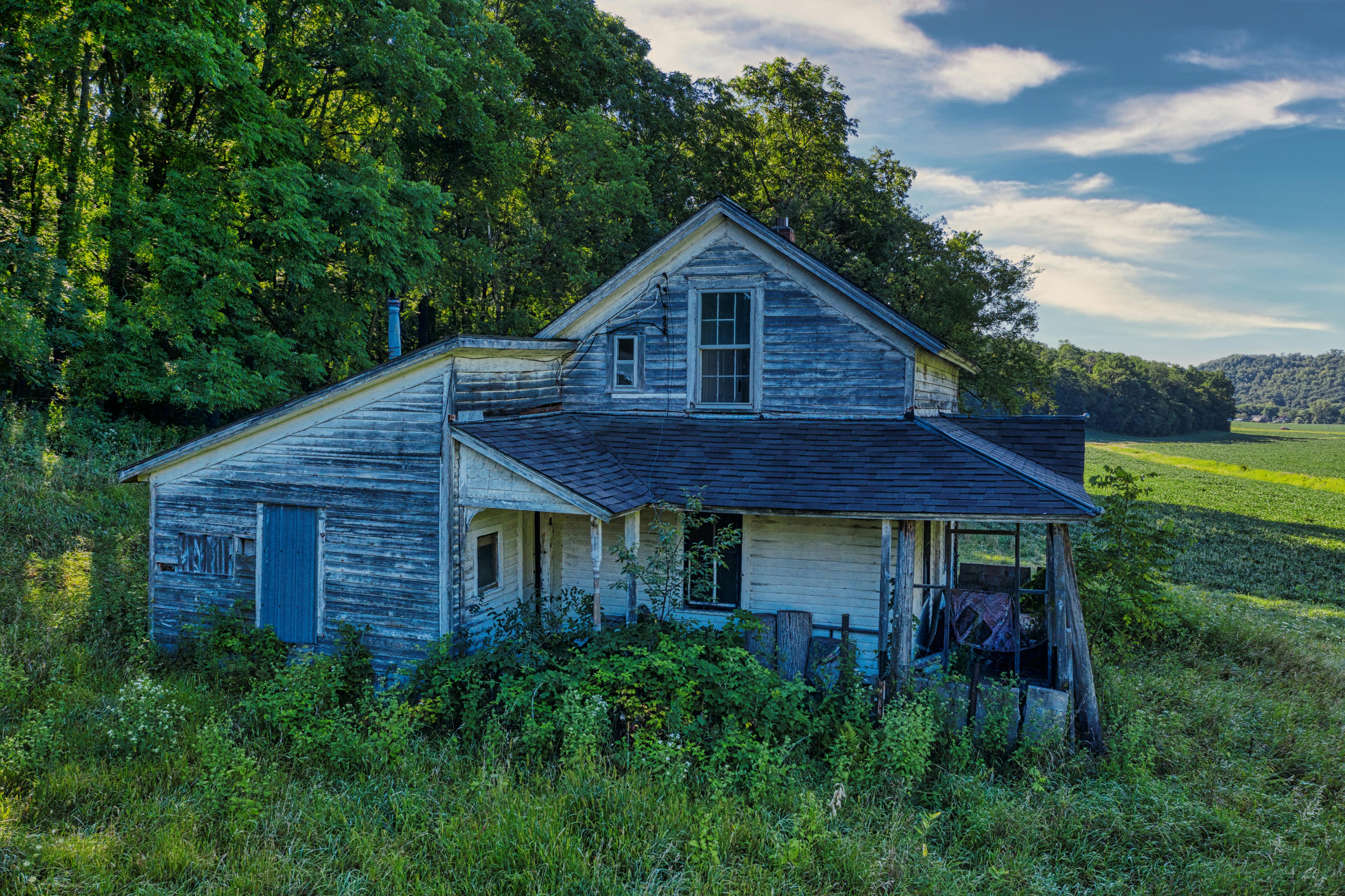
Property ownership can create a certain momentum. It begins with a large-scale vision or is inherited as a duty of care, and we tend to assume the act of allowing the land to remain unused will be at no financial or emotional cost. After all, property ownership creates a feeling of permanence and security. Unused properties do not stand still – they are an ongoing drain on your finances and mentally, while you turn your head.
Via Pexels
Taxes
Each acre of land you hold demands its payment, starting with municipal governments. Taxes associated with your unused property arrive every year without fail — whether you ever set foot on the land or not. Over ten years, these regular payments reduce your ability to grow your wealth through actively investing in liquid investments. In essence, you’re paying for a subscription service that produces no day-to-day benefit to you.
The Creeping Expenses of Maintenance and Protection
Maintenance and protection of land is necessary to protect its intrinsic value. As fences deteriorate, unwanted vegetation grows, or the local government sends you notices regarding failure to mitigate fires and weeds on your property. These challenges will need to be addressed by either hiring local contractors or using your valuable weekend time to complete tasks such as clearing brush. Insurance premiums also represent a significant expense for the same reason. There is a high level of liability risk involved in owning unused property – including unauthorized entry onto your land causing injury to others, and illegal dumping requiring costly hazardous waste disposal.
The Access and Logistical Dilemma
Your remote or isolated parcels present several logistical challenges. Access to your property may require traversing private easements, traveling down unmaintained dirt roads, or finding out that changes made by local zoning authorities now restrict your access. The process of managing a piece of land located remotely presents simple neglect as a complicated project. Once a property becomes inaccessible, it ceases to function as an asset and transitions to a source of administrative burdens, which complicate the overall management of your personal finances.
Recognizing the Strategic Moment to Transition
When the financial carrying costs of an unused asset exceed your active involvement with the land, transitioning out of the asset represents a financially optimal solution. For owners of vacant parcels in the Southwest, disposing of their unused land through selling to PlaceAcre offers a direct route to accessing cash while eliminating future tax obligations related to the land in a single transaction. This eliminates the ongoing burden of deciding how to address the financial implications of maintaining your unused land.
The Freedom of Reclaiming Emotional Energy
Unused property can produce a significant psychological burden. Your unused land exists as a constant presence in the back of your mind. Each tax assessment notice or maintenance request generates some degree of low-grade anxiety and decision fatigue. By disposing of unused land, you eliminate each one of these continuing distractions to help you refocus on the things most important to you today – creating true financial wellness by freeing your mental energy.