
Understanding Holistic Dentistry and the Oral-Systemic Link
When we think about our health, our minds often jump to diet, exercise, and general medical check-ups. But how often do we consider the profound connection between our oral health and our overall well-being? In Jacksonville, a growing number of individuals are discovering the transformative benefits of biological dental health – an approach that views the mouth as an integral part of the whole body.
This isn’t just about fixing teeth. It’s about understanding how oral conditions can impact systemic health, from chronic inflammation to autoimmune responses. We believe that true health begins with a comprehensive understanding of these connections.
In this guide, we will explore what biological or holistic dentistry truly entails. We will delve into its core principles, examine why it prioritizes biocompatible and non-toxic dental care, and uncover the innovative therapies used to promote natural healing and long-term wellness. Join us as we redefine what dental care can be, offering a path to better health for your entire body.
Biological or holistic dentistry is a philosophy and practice that recognizes the profound connection between oral health and the health of the entire body. Unlike traditional dentistry, which often focuses solely on treating symptoms within the mouth, holistic dentistry takes a broader view, considering how dental materials, procedures, and conditions can impact a patient’s overall systemic health. This approach is rooted in the belief that the mouth is not an isolated system but an integral part of the whole person, and that oral health significantly influences well-being, both physically and emotionally.
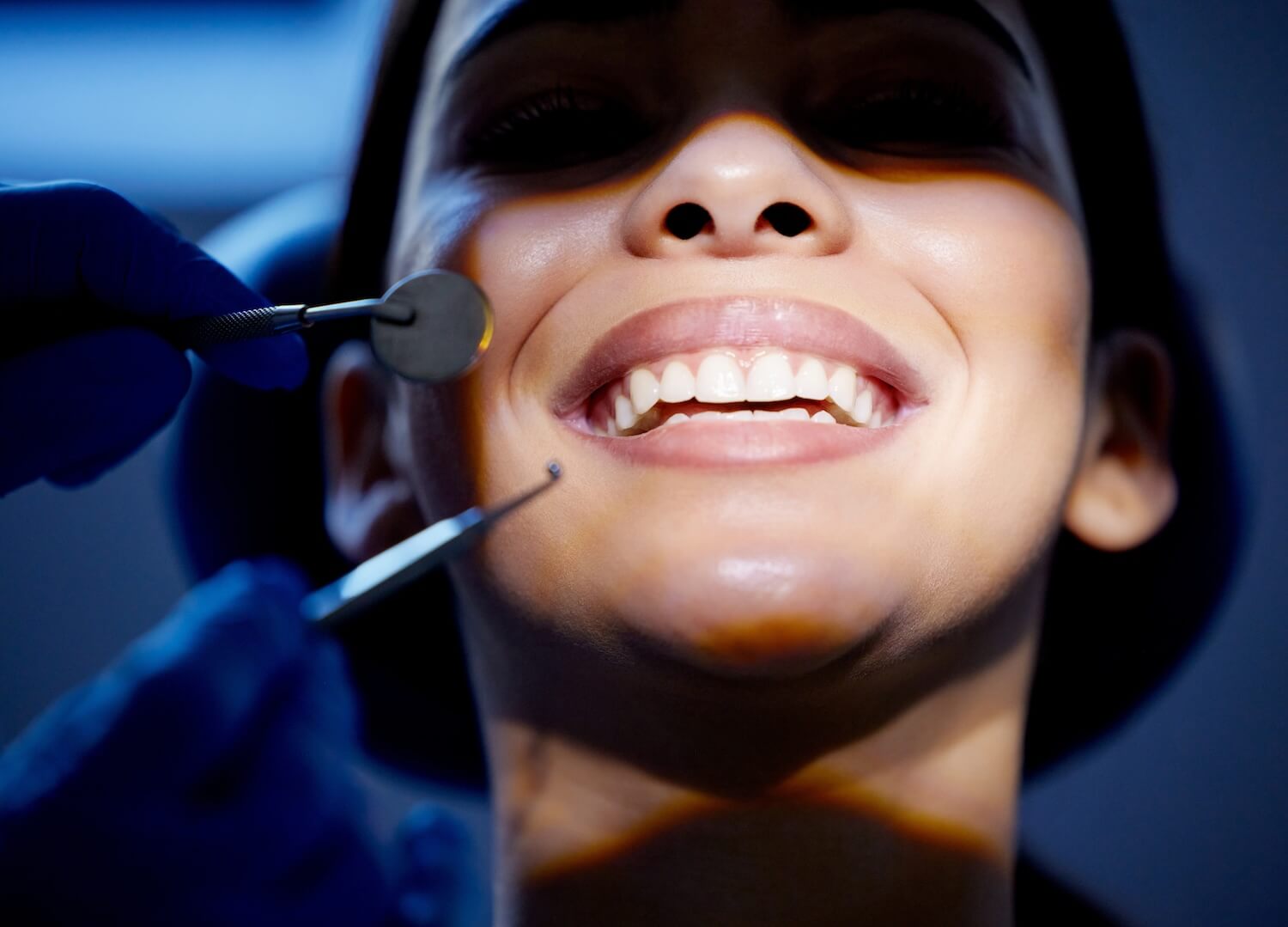
The core difference lies in the treatment philosophy. Traditional dentistry typically addresses immediate dental problems like cavities, gum disease, or missing teeth with conventional methods and materials, often without extensive consideration for their long-term systemic effects. Biological dentistry, conversely, emphasizes prevention, the use of biocompatible materials, and treatments that support the body’s natural healing processes. It seeks to identify and address the root causes of oral health issues, often linking them to broader health concerns. For instance, a biological dentist might consider a patient’s diet, stress levels, and even their gut health when formulating a treatment plan for persistent gum inflammation.
The oral-systemic connection is the cornerstone of biological dental health. This concept highlights that the mouth is a gateway to the rest of the body, and conditions originating in the oral cavity can have far-reaching implications. The oral microbiome, a complex community of bacteria, fungi, and viruses, plays a critical role. When this delicate balance is disrupted, particularly by the presence of periodontal pathogens, it can lead to chronic inflammation. This inflammation isn’t confined to the gums; it can trigger a systemic inflammatory response throughout the body.
Principles of Modern Holistic Dentistry
Modern holistic dentistry is guided by several key principles that distinguish it from conventional practices:
- Whole-Body Wellness: Every treatment decision is made with the patient’s overall health in mind. This means considering how a dental procedure might affect the immune system, nervous system, or other bodily functions.
- Non-Toxic Treatments: A paramount principle is the avoidance of materials and procedures that could introduce toxins or stressors to the body. This includes steering clear of mercury in fillings and minimizing exposure to fluoride, both classified as neurotoxins.
- Preventative Protocols: Holistic dentistry places a strong emphasis on preventing disease rather than just treating it. This involves comprehensive oral hygiene education, nutritional counseling, and early intervention strategies to maintain optimal oral health.
- Biocompatibility Testing: Before using any material, biological dentists often recommend testing to ensure it is compatible with the individual patient’s unique biochemistry, minimizing the risk of allergic reactions or sensitivities.
- Individualized Care: Recognizing that each patient is unique, treatment plans are highly personalized, taking into account genetic predispositions, lifestyle, and overall health status.
How Oral Pathogens Affect Whole-Body Wellness
The impact of oral pathogens extends far beyond the mouth. When harmful bacteria from the oral cavity enter the bloodstream, a process known as bacterial translocation, they can travel to various organs and contribute to a range of systemic health problems.
- Cardiovascular Risk: Research has consistently linked periodontal disease to an increased risk of heart disease, including atherosclerosis and stroke. The chronic inflammation and bacterial presence originating in the mouth can contribute to plaque buildup in arteries.
- Autoimmune Conditions: There is growing evidence suggesting a connection between oral infections and the exacerbation or even initiation of certain autoimmune conditions. The body’s immune response to oral pathogens can sometimes mistakenly attack its own tissues.
- Inflammatory Cytokines: Periodontal disease triggers the release of inflammatory cytokines, chemical messengers that circulate throughout the body, contributing to systemic inflammation. This chronic inflammatory state is a common denominator in many chronic diseases.
- Metabolic Health: Oral health also impacts metabolic health. Periodontal disease has been associated with insulin resistance and poorer glycemic control in individuals with diabetes, highlighting a bidirectional relationship.
Understanding these intricate connections is crucial for effective treatment planning in a biological dental practice. It means looking beyond a “tooth-by-tooth” approach and instead embracing a comprehensive view of how oral health integrates with and influences total body wellness.
Feature Conventional Dentistry Biological Dentistry Treatment Philosophy Focus on treating symptoms, localized oral issues Whole-body health, oral-systemic connection, root cause analysis Material Selection May use amalgam (mercury), fluoride, various metals Biocompatible, mercury-free, fluoride-free, non-toxic materials Preventative Focus Routine cleanings, cavity fillings Nutrition, lifestyle, microbiome balance, early intervention Diagnostic Approach X-rays, visual inspection Advanced diagnostics, airway assessment, individualized testing Therapies Used Drilling, filling, extractions, root canals Regenerative therapies (PRF), ozone therapy, minimally invasive View of Patient Oral health as separate from general health Oral health as integral to total well-being (mind-body-spirit) Biocompatible Materials and Non-Toxic Restorative Techniques
One of the most significant distinctions of biological dentistry is its unwavering commitment to using materials that are harmonious with the human body. This approach stems from the understanding that dental materials are not inert substances; they interact with our biological systems, and these interactions can have profound effects on our health. For this reason, biological dentists prioritize heavy metal avoidance and focus on restorative materials that minimize the body’s toxic burden.
We believe that every material placed in a patient’s mouth should support their overall health, not detract from it. This means carefully selecting composite resins, ceramic restorations, and other options that are proven to be non-toxic and physiologically compatible. The goal is to restore dental function and aesthetics without compromising systemic well-being.
Eliminating Heavy Metals and Fluoride Risks
The avoidance of certain materials, particularly mercury amalgam fillings and excessive fluoride, is a cornerstone of biological dental practice. Mercury, a primary component of amalgam fillings, is classified as a neurotoxin. Even in its “stable” form within a filling, mercury can release vapors that are absorbed by the body, potentially contributing to systemic toxicity. For patients with existing amalgam fillings, biological dentists adhere to strict safe removal protocols, often following guidelines set by organizations like the International Academy of Oral Medicine and Toxicology (IAOMT), to protect both the patient and the dental team from mercury exposure during the removal process. This involves specialized filtration, external air supply, and protective barriers.
Similarly, while fluoride has been widely used in traditional dentistry for its cavity-preventing properties, biological dentistry approaches its use with caution. Recognizing that fluoride is also classified as a neurotoxin, biological practitioners seek to minimize systemic exposure. Instead, they focus on strengthening tooth enamel through nutritional support, pH balance, and other non-toxic methods. The aim is to achieve optimal oral health without introducing substances that could accumulate in the body and potentially impact neurological function or other systems.
Advanced Materials in Holistic Dentistry
In place of potentially harmful materials, biological dentistry embraces advanced, biocompatible alternatives. These materials are chosen for their strength, durability, and most importantly, their inertness within the body.
- Zirconia Implants: Unlike traditional titanium implants, zirconia implants are metal-free, offering an excellent alternative for patients with metal sensitivities or those seeking a more holistic approach. Zirconia is a ceramic material known for its strength, aesthetic appeal, and excellent biocompatibility.
- Non-Metal Crowns: For crowns, bridges, and inlays/onlays, materials like high-quality ceramics and zirconia are preferred. These options provide exceptional aesthetics, mimicking natural tooth structure, and are completely metal-free, eliminating concerns about galvanic currents or metal allergies.
- Composite Resins: When used for fillings, specific composite resins are carefully selected. Biological dentists look for resins that are free of BPA and other endocrine-disrupting chemicals, ensuring resin safety and minimizing potential systemic impact.
- Ceramic Durability: Modern ceramics and zirconia are incredibly durable, offering long-lasting restorations that can withstand the forces of chewing while maintaining their physiological compatibility with the body.
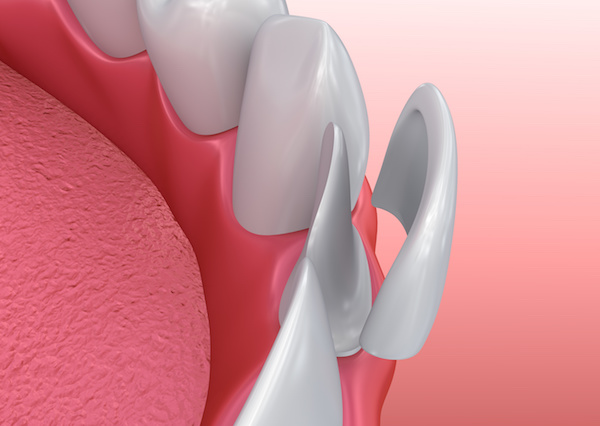
By meticulously selecting these advanced materials, biological dentists ensure that restorative treatments not only repair dental issues but also contribute positively to the patient’s overall health and well-being. The focus remains on providing solutions that are effective, aesthetically pleasing, and align with a commitment to non-toxic, whole-body health.
Regenerative and Minimally Invasive Dental Therapies
Biological dentistry is at the forefront of incorporating regenerative and minimally invasive therapies that harness the body’s innate capacity for natural healing. These advanced techniques are designed to support cellular regeneration, promote tissue preservation, and reduce the need for more aggressive or invasive procedures. The philosophy is to work with the body, not against it, fostering a healing environment that leads to better long-term outcomes and reduced patient discomfort.
Ozone Therapy for Pathogen Elimination
Ozone therapy is a powerful and versatile tool in the biological dentist’s arsenal. Medical-grade ozone, a highly reactive form of oxygen, is a safe and effective way to eliminate harmful pathogens from the mouth. It works by oxidizing bacteria, viruses, and fungi, effectively neutralizing them without the side effects often associated with traditional antibiotics or harsh chemicals.
In dentistry, ozone therapy is utilized in various applications:
- Periodontal Treatment: For gum disease, ozone can be applied directly to infected gum tissues or used as an ozonated water rinse. It significantly reduces bacterial load, decreases inflammation, and promotes the healing of gum tissues, often speeding recovery and fighting infection from periodontal disease.
- Cavitation Management: Ozone can be instrumental in treating cavitations—areas of unhealed bone often found after tooth extractions—by disinfecting the bone and stimulating healing.
- Antimicrobial Disinfection: Before fillings or other restorative procedures, ozone can be used to thoroughly disinfect the tooth structure, ensuring a clean foundation and reducing the risk of secondary decay.
- Tissue Oxygenation: Beyond its antimicrobial properties, ozone therapy also enhances blood flow and tissue oxygenation, which are crucial for optimal healing and tissue regeneration. It can even be used to desensitize teeth and aid in the remineralization of early decay.
Platelet-Rich Fibrin (PRF) for Accelerated Surgical Recovery
Platelet-Rich Fibrin (PRF) therapy represents a significant advancement in regenerative dentistry. This innovative technique utilizes the patient’s own blood to create a powerful healing matrix, making it an autologous biologic.
Here’s how PRF works and its benefits:
- Autologous Biologics: A small sample of the patient’s blood is drawn and then spun in a centrifuge to separate the various components. The resulting PRF is a fibrin matrix rich in platelets, white blood cells, and growth factors.
- Growth Factors: These growth factors are essential proteins that stimulate cellular regeneration, promote tissue repair, and accelerate the healing process. When applied to a surgical site, PRF acts as a scaffold for new tissue growth.
- Surgical Recovery: After dental surgery, such as tooth extractions, implant placement, or bone grafting, PRF can be placed directly into the surgical site. It significantly reduces post-operative pain, swelling, and discomfort.
- Post-Extraction Healing: For extractions, PRF helps prevent dry sockets, promotes faster soft tissue and bone regeneration, and improves the overall healing trajectory.
- Bone Regeneration: The concentrated growth factors in PRF play a vital role in stimulating osteogenesis (bone formation), making it invaluable for procedures requiring bone regeneration, such as sinus lifts or ridge augmentations.
By integrating therapies like ozone and PRF, biological dentists can enhance natural healing processes, reduce the need for more invasive interventions, and provide patients with a more comfortable and predictable recovery experience. This commitment to minimally invasive and regenerative techniques underscores the holistic approach to dental care, where the body’s own healing potential is always prioritized.
What to Expect During an Integrative Dental Visit
Stepping into an integrative dental practice in Jacksonville is a distinctly different experience from a traditional dental appointment. The focus immediately shifts from a purely clinical assessment to a comprehensive understanding of you as a whole person. The goal is not just to examine your teeth but to evaluate your overall health, lifestyle, and how they intertwine with your oral well-being.
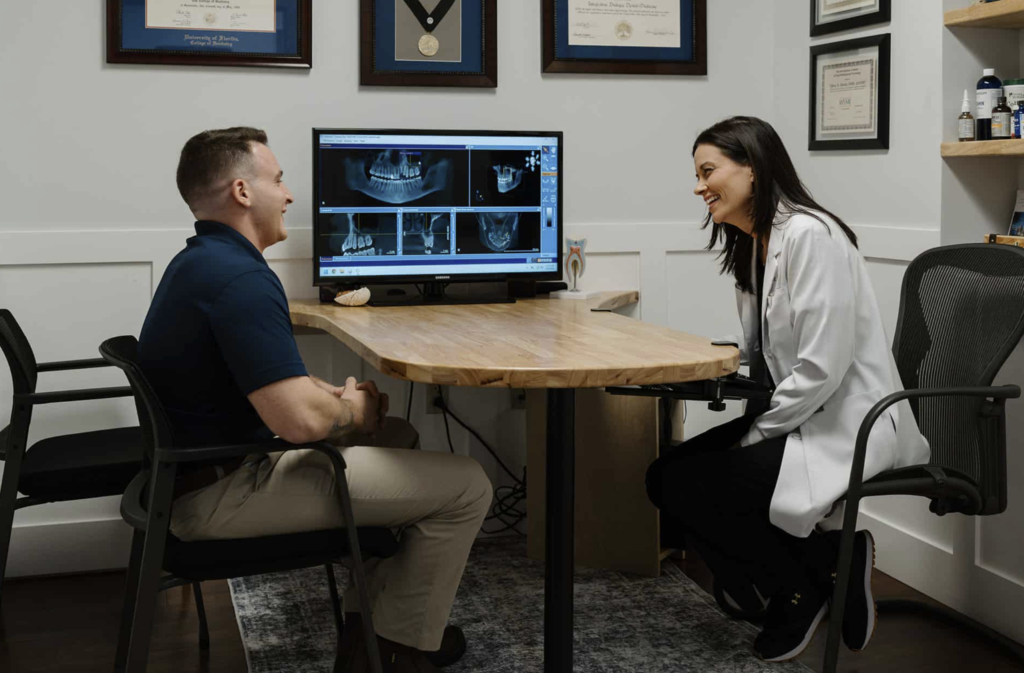
During your first visit, you can expect a thorough and unhurried consultation. This initial interaction is designed to establish a foundation of trust and understanding. We believe in creating a calming, anxiety-reducing environment, often referred to as a “Serenity Approach,” that addresses the mind, body, and spirit. This includes everything from the physical aesthetics of the office to the gentle demeanor of the staff and the unhurried pace of your appointment.
A comprehensive holistic assessment will typically involve more than just a visual inspection of your mouth. It often includes a detailed discussion of your medical history, dietary habits, sleep patterns, and any chronic health conditions. This information helps the biological dentist identify potential underlying factors contributing to your oral health status. For instance, an airway evaluation might be conducted to assess for issues like sleep apnea, which can significantly impact oral health and overall systemic well-being. Nutritional counseling may also be offered, as diet plays a crucial role in maintaining a healthy oral microbiome and strong teeth and gums.
Comprehensive Mind-Body Diagnostics and Stress Reduction
Integrative dental examinations go beyond standard procedures, incorporating advanced diagnostics and a strong emphasis on patient comfort and stress reduction.
Here’s what you can expect during the diagnostic process:
- Digital Imaging: State-of-the-art digital X-rays and 3D imaging provide highly detailed views of your oral structures with minimal radiation exposure. These images help identify issues that might not be visible during a routine exam, such as hidden infections, bone density concerns, or structural anomalies.
- Oral-Systemic Screening: Beyond typical dental concerns, the dentist will look for signs of systemic issues that manifest in the mouth, such as inflammation linked to cardiovascular disease, or oral indicators of nutritional deficiencies.
- Biocompatibility Assessment: If restorative work is needed, a discussion about biocompatible materials will take place. In some cases, specific testing may be recommended to ensure that any proposed materials are well-tolerated by your body.
- Airway Evaluation: As mentioned, assessing your airway function is crucial. Issues with breathing, especially during sleep, can affect jaw development, tooth alignment, and overall health.
- Microbiome Analysis: In some advanced cases, a biological dentist might recommend tests to analyze the balance of bacteria in your oral microbiome, providing insights into potential sources of inflammation or infection.
Patient comfort and anxiety reduction are paramount. The serene environment, coupled with the gentle protocols employed by the dental team, aims to ease any apprehension. This focus on autonomic support helps patients feel more relaxed and in control during their visit. The initial consultation is often a calm, in-depth conversation designed to ensure you feel heard and understood, setting the stage for a positive and healing dental journey. The goal is to empower you with knowledge and a personalized treatment plan that aligns with your holistic health objectives.
Frequently Asked Questions About Integrative Dental Care
As more individuals seek out a comprehensive approach to their health, questions about integrative dental care naturally arise. Here, we address some of the most common inquiries to help you better understand this transformative field.
What is the primary difference between conventional and biological dental approaches?
The primary difference lies in their fundamental treatment philosophy and material selection. Conventional dentistry typically focuses on treating localized oral problems, such as cavities or gum disease, often using materials like amalgam (which contains mercury) or fluoride, and sometimes without extensive consideration for their systemic impact. Biological dentistry, on the other hand, adopts a whole-body perspective, emphasizing the oral-systemic connection. This means every treatment decision considers how it will affect your overall health. Biological dentists prioritize biocompatible, mercury-free, and fluoride-free materials, aiming for non-toxic treatments that support the body’s natural healing mechanisms. Their approach is more preventative and focuses on identifying and addressing the root causes of oral health issues, integrating dental care with total wellness.
How does PRF therapy support post-surgical healing?
Platelet-Rich Fibrin (PRF) therapy is a cutting-edge technique that significantly supports natural regeneration and accelerates recovery after dental surgery. When PRF is created from a small sample of the patient’s own blood, it forms an autologous fibrin matrix rich in platelets, white blood cells, and a high concentration of growth factors. When this PRF is placed into a surgical site—such as after a tooth extraction or during implant placement—these growth factors are gradually released. They act as potent signals to the body, stimulating cellular regeneration, promoting new blood vessel formation, reducing inflammation, and accelerating soft tissue and bone healing. This leads to less post-operative pain, swelling, and a more robust, predictable healing process.
Are biocompatible materials as durable as traditional dental restorations?
Yes, modern biocompatible materials are designed for both physiological compatibility and exceptional clinical durability. For instance, advanced ceramics and zirconia, commonly used for non-metal crowns, bridges, and implants, are renowned for their strength and longevity. Zirconia strength, in particular, rivals that of traditional metal alloys, making it suitable for even high-stress areas in the mouth. Ceramic durability has also vastly improved over the years, offering restorations that are not only aesthetically pleasing but also highly resistant to wear and fracture. When properly placed and maintained, these materials can last for many years, providing a long-term solution that supports both your oral health and overall well-being without introducing potentially harmful substances into your body.
Conclusion
In September 2026, the landscape of dental care continues to evolve, with biological dentistry leading the way toward a more holistic and patient-centered approach. We have explored how this philosophy transcends traditional methods, offering a path to long-term wellness by recognizing the profound oral-systemic connection. From the careful selection of biocompatible materials to the integration of regenerative therapies like ozone and PRF, every aspect of biological dental health is designed to nurture your body’s innate healing capabilities.
Choosing a biological dentist in Jacksonville means opting for informed care that prioritizes your overall health. It means embracing a philosophy where your oral health is seen as a vital component of your total well-being, where preventative strategies are paramount, and where treatments are tailored to support your unique physiology. By understanding these principles, you are empowered to make choices that foster not just a healthy smile, but also a healthier, more vibrant life. Embrace the harmony of oral-systemic health and unlock a new dimension of wellness for yourself and your family.