
Key Takeaways
- Storm damage is not always obvious from the ground.
- Fresh cracks, hanging limbs, root movement, decay, and a new lean deserve prompt attention.
- Heavy rain can make already-weakened trees less stable.
- Trees near homes, driveways, fences, play areas, and utility lines have less room to fail safely.
- Pruning, structural support, monitoring, or removal may each be appropriate depending on the tree and its location.
- Homeowners should stay away from trees that contact or threaten power lines.
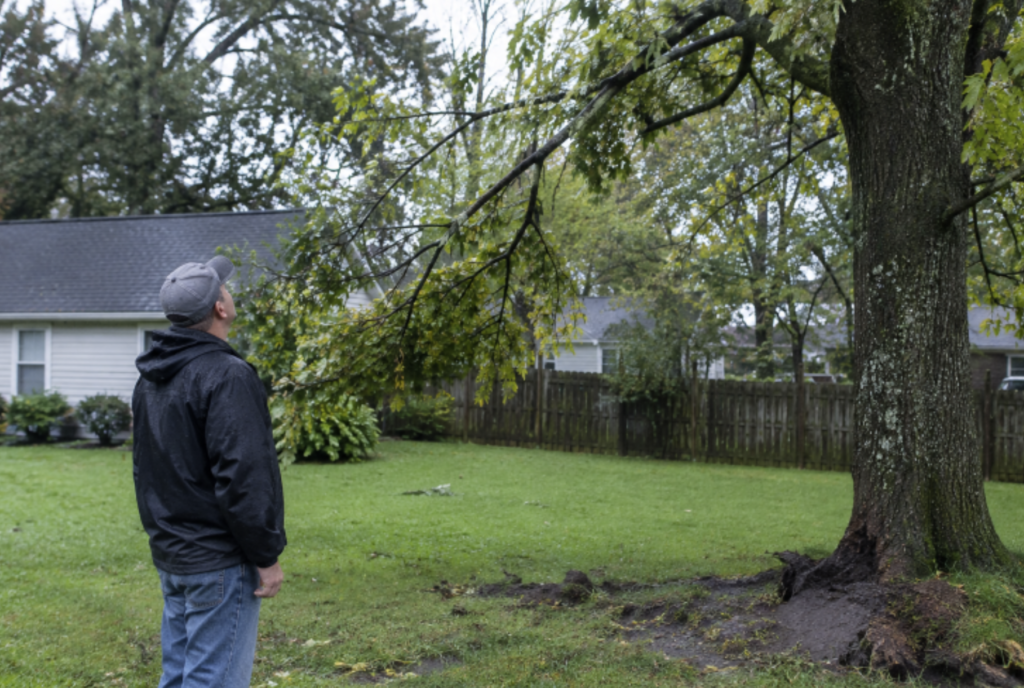
In Chesapeake, a tree can look mostly intact after a storm while still having a cracked limb, weakened root system, or hidden trunk defect. For property owners weighing tree removal Chesapeake VA options, 757 Tree Solutions provides evaluations and removal planning for residential and commercial properties. Their Chesapeake-focused service page explains how tree condition, access, nearby structures, and cleanup needs affect the safest course of action across Hampton Roads.
The right answer is not always removal. A small dead limb may need routine pruning, while a tree with root movement beside a home may need urgent attention. The goal is to identify the level of risk before the next round of wind, rain, or saturated soil turns a manageable concern into property damage.
Why Chesapeake, Virginia, Trees Face Special Storm Risks
Chesapeake homeowners deal with thunderstorms, strong winds, flooding conditions, tropical weather, and occasional winter ice. Those events can place sudden weight and pressure on branches, trunks, and root systems. In neighborhoods such as Great Bridge, Deep Creek, Hickory, Greenbrier, and Western Branch, mature trees often grow close to roofs, sheds, fences, sidewalks, and parked vehicles.
Rain matters because waterlogged soil can reduce the holding strength of roots, particularly when a tree already has decay, shallow roots, or a developing lean. A full green canopy is not proof that the trunk and roots are structurally sound. Planning ahead with practical severe weather safety tips can help residents prepare before conditions worsen.
Warning Signs That Need Attention
Inspect trees from a safe distance and take changes seriously, especially after high winds or prolonged rain. A professional opinion is particularly important when the concern involves the trunk, roots, a major limb, or a likely target such as a house or driveway.
- Fresh cracks in a large limb or the main trunk.
- Branches hanging lower than usual or caught in the upper canopy.
- Fungi, cavities, or soft, deteriorating wood near the base.
- Soil lifting, exposed roots, or new ground cracks around the trunk.
- A lean that developed or became more noticeable after a storm.
- Dead branches over a roof, walkway, vehicle, playground, or patio.
- Branches r against a structure or approaching utility lines.
A visible defect does not automatically mean a tree must come down. Some issues can be addressed through selective pruning, weight reduction, or periodic monitoring. Major root disturbance, extensive decay, or a split trunk generally calls for a more urgent assessment.
How to Inspect a Tree Safely
- Stand well back where you can see the entire tree and its canopy.
- Look for fresh breaks, hanging branches, cracks, and unusual movement.
- Check the ground around the base for lifted soil or exposed roots.
- Identify what could be struck if the tree or a limb falls.
- Take clear photos from a safe location for records, estimates, or insurance discussions.
- Keep children, pets, and vehicles away from the area when stability is uncertain.
- Call a qualified professional if the tree appears unstable or cannot be safely evaluated from the ground.
Do not climb a damaged tree, use a chainsaw near overhead lines, or pull on a suspended limb with a rope or vehicle. Storm-damaged wood can shift without warning, and electrical hazards require specialized coordination.
When to Prune, Support, Monitor, or Remove
The best decision depends on the tree’s condition, species, location, and the consequences of failure. Consider these common situations:
- Small dead branches: Routine pruning may improve clearance and remove a minor hazard.
- One broken limb: Targeted pruning can sometimes preserve the remainder of an otherwise sound tree.
- Weak branch union: Pruning or a professionally designed support system may reduce stress when the main structure remains healthy.
- Severe trunk decay: Removal may be the safer option if decay compromises the tree’s ability to withstand wind.
- Root movement or a major new lean: Treat this as an urgent evaluation because uprooting may be possible.
- Contact with power lines: Keep clear and contact the utility company or an appropriately qualified tree professional.
What to Do After a Storm in Chesapeake
During the First 30 Minutes
- Stay indoors until the storm and lightning threat have passed.
- Watch for downed wires and avoid standing water around electrical equipment.
- Do not approach a tree that has landed on a building, vehicle, or utility line.
During the First Day
- Photograph visible damage from a safe distance.
- Notify the electric utility if wires are involved.
- Contact emergency services if there is an immediate threat to people or if a public roadway is blocked.
- Speak with your insurer before moving damaged materials when practical.
During the Following Week
- Have nearby trees checked, not only the tree that failed.
- Schedule removal of unstable hanging limbs before resuming normal yard work.
- Keep photos, written estimates, and work records together.
- Consider whether stump grinding, surface-root management, or replanting fits the property plan.
Property Lines, Utility Lines, and City Responsibilities in Chesapeake
Responsibility often depends on where the trunk stands and whether the tree affects private property, a public right-of-way, drainage, or city property. Property law in Virginia explains that property owners are generally responsible for maintaining trees on their land, while municipalities typically address trees located entirely within public rights-of-way. Confirm the current process with your local city or county before arranging work near a roadway or easement.
Choosing a Qualified Tree Professional
- Ask for current insurance information and a written scope of work.
- Confirm whether debris removal, stump work, and hauling are included.
- Ask how the crew will protect lawns, gardens, septic areas, fencing, and hardscapes.
- Find out whether trained or certified arborists will assess the tree.
- Compare the proposed safety plan and property protection measures, not only the price.
A tree in an open yard may be straightforward to remove. A tree beside a pool, roof, fence, septic area, or power line requires a more controlled plan and often different equipment.
Frequently Asked Questions
How can I tell if a tree is dangerous?
Warning signs include root movement, a severe or new lean, large cracks, trunk decay, hanging limbs, and branches over structures or occupied areas. Hidden defects may require a closer professional inspection.
Should every storm-damaged tree be removed?
No. Some trees can be pruned, supported, or monitored. Removal becomes more likely when there is major structural damage, extensive decay, instability, or a serious threat to people and property.
Can a homeowner cut a tree near power lines?
No. Stay clear of the tree and the lines. Even wires that appear inactive can be dangerous.
Does stump removal need to happen at the same time?
Not always. Stump grinding or removal can be scheduled separately, although completing it with the tree work may help restore usable yard space sooner.
Make the Decision Before the Next Storm
Tree safety starts with calm observation and timely action. Chesapeake homeowners do not need to remove every aging tree, but they should not ignore changes in roots, trunks, or major limbs. A careful inspection and a clear plan can protect people, structures, utilities, and the long-term health of the landscape.