
Developing real estate from scratch, whether you’ve just bought a plot of land or you’re a large developer looking to create a new estate, is always challenging. You need to take an underutilized piece of property and transform it into something productive while following all of the building codes and regulations that apply in your area. This process is complex and capital-intensive, but the rewards can be enormous if you get it right. Many people who attempt to end up with large margins, especially if they follow common sense advice
The core stages of real estate development

As with most activities, real estate development has some core stages that you can break down into manageable chunks to help you understand them better.
- Idea and concept planning: This is where you think about what you’re going to use a particular development for (whether it’s luxury apartments, office space, or retail units). You do market research and conduct a feasibility analysis. If you go ahead with the investment, will it actually work? Will you be able to overcome problems in the environment, like zoning issues or a high water table?
- Site selection and acquisition: This is done via purchases, often as joint ventures but also individually.
- Design planning and entitlements: You’ll need to work with engineers, planners, consultants, and architects to create a proposal that fulfils all of your obligations, including sustainability standards and zoning approvals.
- Financing and capital structuring
- Construction and completion
These final stages may involve advanced techniques like drainage, irrigation, and forestry mulching. You may have to clear existing land and perhaps even relocate native species to another location for eco-friendly policies.
Key management responsibilities
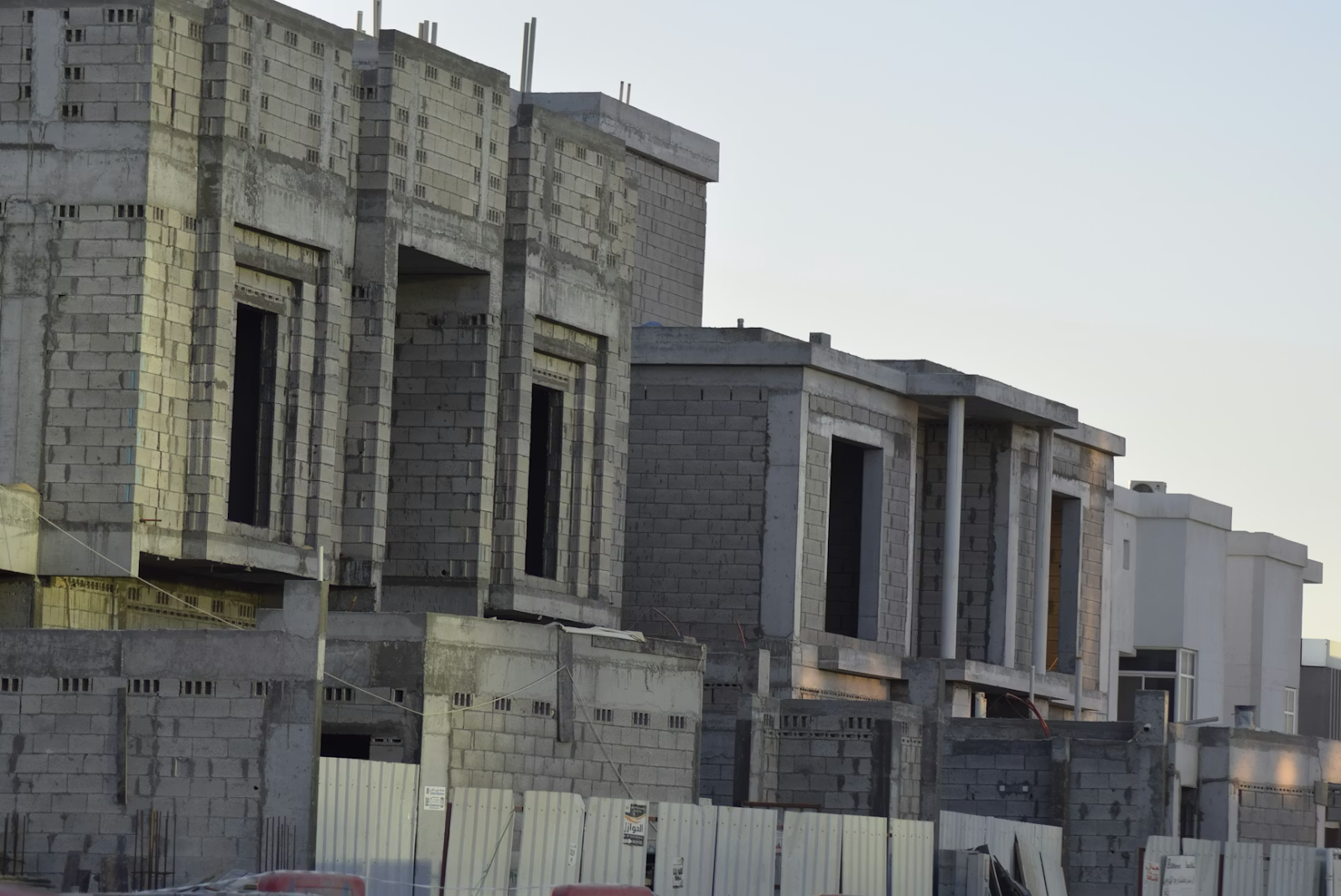
When you are conducting real estate development, you’ll need to maintain key management responsibilities.
- You need a project coordinator who can bring all of your teams together, including your architects, lawyers, brokers, and consultants.
- You’ll also need a risk management team who can figure out where the key risks that you face lie and what you can do to mitigate them. For example, you might enter into phased commitments or scenario modeling.
- After that comes stakeholder management. You’ll need to manage relationships with investors, government officials, tenants, and the community.
- Budgeting and schedule control are also critical. Projects should be on time and on budget, and preferably delivered before the official deadline and under budget if possible to boost your margins.
Don’t neglect the importance of marketing when you’re doing this. Monetization is key to attracting willing buyers to the project, so you don’t have to sell at a loss.
Building a strong team
Of course, with any real estate development, building a strong team is a critical element. People don’t work alone, but in groups with each other that need to operate with minimal friction.
If you’re a beginner, educate yourself on what’s required with courses and books, then gain experience through similar projects or internships. If you can, network with industry professionals, and that can help you attract the people you need to get the results that you want.