Being told there isn’t enough jawbone for traditional dental implants can be discouraging, especially when missing or failing teeth already affect eating, speech, and confidence. However, major bone loss does not always mean that every implant-based option is off the table. A thorough consultation may identify conventional treatment, rebuilding procedures, removable alternatives, or specialized options such as zygomatic implant surgery for selected upper-jaw cases. The right plan is not based on one X-ray or a single statement that there is “not enough bone.” It depends on where bone has been lost, the condition of the gums, the health of remaining teeth, overall medical history, long-term goals, finances, and comfort with surgery. An individualized evaluation helps clarify the realistic choices and trade-offs.
Key Takeaways
- Significant jawbone loss can complicate tooth replacement, but it does not automatically rule out all implant options.
- Bone volume, gum health, medical factors, bite forces, and restoration goals all influence treatment planning.
- Some patients may benefit from bone rebuilding, while others may be evaluated for implant approaches that use stronger areas of available bone.
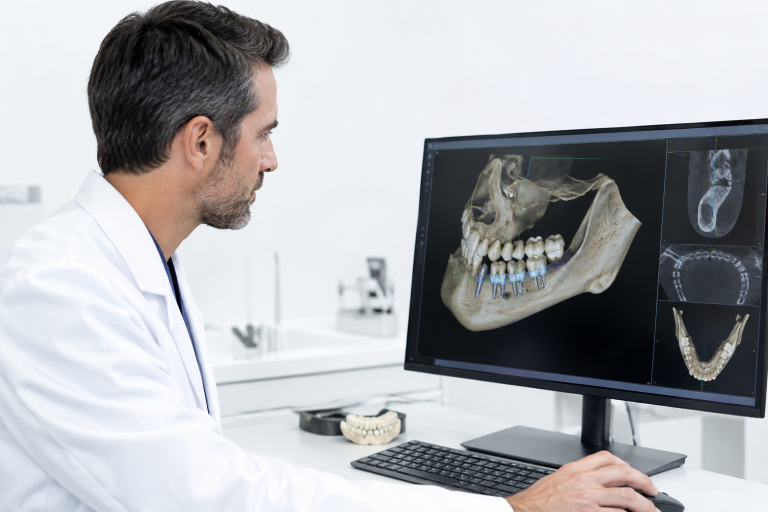
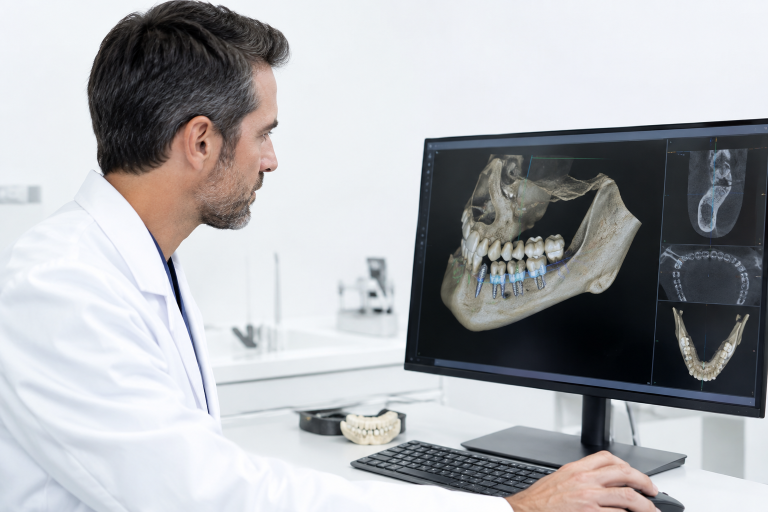
- Three-dimensional imaging can help a dental team assess anatomy and plan treatment more carefully.
- Comparing recovery, maintenance, risks, treatment time, and total cost is essential before moving forward.
Why Bone Loss Matters for Tooth Replacement
Natural tooth roots help transmit chewing forces to the surrounding jawbone. After a tooth is lost, the bone in that area can gradually shrink in height and width. Bone quality and location matter as well. A provider may find adequate bone in one part of the jaw but limited support in another, which is why “not enough bone” may describe a specific area rather than the entire mouth. For example, a narrow ridge where a back tooth was lost may not provide enough space for a standard implant without additional planning. Bone loss can also affect how a bridge, denture, or implant-supported restoration fits and how forces are distributed during chewing.
Common Causes of Major Jawbone Loss
Bone loss can develop for several reasons, and more than one factor may be involved. Advanced gum disease can damage the tissues and bone that support teeth. Other possible contributors include long-standing missing teeth, serious infections, facial trauma, past extractions or oral surgery, and dentures that no longer fit well. Healing and long-term treatment outcomes may also be influenced by factors such as tobacco use, poorly controlled diabetes, certain medications, oral hygiene, and untreated infection. A dental professional can determine which factors are relevant in an individual case.
What a Dental Evaluation May Include
A comprehensive evaluation generally begins with a medical and dental history. The team may review medications, smoking history, diabetes, prior surgeries, gum disease, and previous healing concerns. A clinical examination can assess the gums, remaining teeth, bite, oral hygiene, and signs of infection.
Imaging and restoration planning
Dental X-rays and three-dimensional scans may help show bone shape, available volume, sinus position in the upper jaw, and the location of nerves in the lower jaw. Planning should also start with the final restoration, including how the teeth are intended to look, fit, and function. Imaging supports clinical judgment, but it does not replace a full examination.
Treatment Paths to Discuss
Treatment is best viewed as a decision process, not a one-size-fits-all answer. Depending on the evaluation, discussions may include:
- Conventional implants where enough healthy bone remains.
- Bone grafting or ridge rebuilding before implant placement.
- Sinus-related procedures for selected upper-jaw situations.
- Short, angled, or strategically positioned implants when anatomy permits.
- Implant-supported bridges or full-arch restorations.
- Removable dentures when surgery is not preferred or is not medically appropriate.
- Specialized implant procedures for carefully selected cases of severe bone loss.
When Bone Rebuilding May Be Considered
Bone grafting aims to build or preserve support where an implant would otherwise lack adequate anchorage. In some situations, grafting and implant placement may occur together. In others, a staged approach allows time for healing before the next procedure. Grafting can add appointments, recovery requirements, cost, and overall treatment time. Infection control, tobacco use, blood sugar management, and daily oral hygiene can all affect healing. It is a useful option in some cases, but it is not automatically the best approach for every patient.
When Advanced Implant Options May Be Discussed
Advanced approaches are typically considered when conventional implants are difficult due to substantial bone loss in the upper jaw. Zygomatic implants, for example, are anchored in the cheekbone rather than relying only on the weakened upper jaw. These procedures require detailed planning, specialized training, and consistent follow-up. A recent evidence review on cheekbone implants found that they may shorten the time to fixed teeth compared with grafting in some severe upper-jaw cases, while also carrying meaningful risks and a limited evidence base. That balance is why a careful discussion of suitability is important.
Comparing Benefits, Risks, and Recovery
Before selecting a treatment path, compare each option using the same practical questions:
- Treatment time: Will care involve one procedure or several stages?
- Recovery: What swelling, discomfort, dietary changes, and downtime are expected?
- Risk: What surgical, sinus, nerve, healing, or restoration-related complications are possible?
- Function: How may the option affect chewing, speech, comfort, and stability?
- Maintenance: What daily cleaning, professional care, and replacement of worn components may be needed?
- Cost: What does the estimate include, and could additional procedures affect the final amount?
Questions to Ask Before Treatment
- What is causing the bone loss, and is it still active?
- How much usable bone remains, and where is it located?
- Which options are realistic for this specific case?
- Would bone rebuilding be helpful, necessary, or avoidable?
- What are the main risks and expected recovery needs for each option?
- What temporary tooth replacement will be available during healing?
- How will medical conditions and medications affect treatment?
- What maintenance and future costs should be expected?
When a Second Opinion Makes Sense
A second opinion can be especially valuable when a proposed procedure is extensive, irreversible, expensive, or difficult to understand. It may also help when two providers recommend very different plans, when advanced surgery is suggested, or when a patient feels pressured to decide quickly. Bring available imaging, treatment estimates, medical information, and a written list of questions to the consultation. Major jawbone loss can make treatment more involved, but a first “no” does not necessarily answer every question. A strong decision comes from clear expectations, realistic timelines, and a full understanding of the benefits and limitations of every appropriate option.
Conclusion
Significant jawbone loss can make dental implant treatment more complex, but it does not automatically eliminate every replacement option. The appropriate approach depends on the location and extent of bone loss, gum health, remaining teeth, medical history, bite, treatment goals, and willingness to undergo additional procedures. Depending on the evaluation, patients may discuss conventional implants, bone grafting, removable dentures, full-arch restorations, or specialized approaches, such as zygomatic implants, in selected cases. Three-dimensional imaging and a detailed clinical examination can help clarify the available bone and guide treatment planning. Patients should also compare the expected recovery, risks, treatment timeline, maintenance requirements, and total cost of each option. When treatment is extensive or recommendations differ, seeking a second opinion can provide additional information before making an irreversible decision. A clear, individualized treatment plan can help patients understand which options are realistic and what each may involve.