
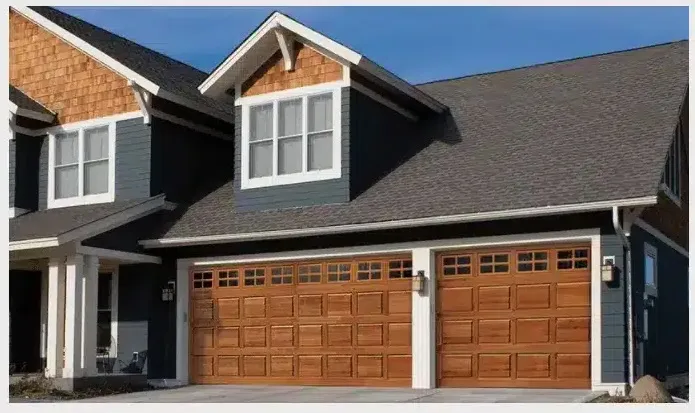
The Impact of Exterior Architectural Upgrades on Property Value
First impressions are crucial, especially when it comes to your home’s exterior. A property’s curb appeal significantly impacts its perceived value and overall aesthetic. While many homeowners focus on landscaping or fresh paint, elements like your garage door also play a vital role. A thoughtfully chosen garage door, for instance, can serve as a prominent architectural feature, instantly elevating your home’s look. Yet, true curb appeal stems from a harmonious blend of all exterior elements. Beyond the visual impact of features like custom garage doors, other architectural enhancements offer both aesthetic appeal and practical benefits. This guide will explore how a smart exterior upgrade, specifically the installation of awnings, can dramatically improve your home’s comfort, energy efficiency, and overall value, making your outdoor spaces more enjoyable and your home more attractive.
Investing in exterior architectural upgrades is a strategic move for any homeowner looking to enhance their property’s resale equity. Beyond mere aesthetics, these renovations contribute significantly to a home’s perceived value and marketability. A well-executed exterior renovation creates visual harmony, ensuring that all elements of the facade design work together cohesively. This attention to architectural symmetry and detail can transform a standard home into a standout property, making a powerful first impression on potential buyers.
Moreover, many exterior upgrades offer tangible benefits such as improved thermal performance. For example, enhancing insulation in walls or upgrading windows can lead to substantial energy savings, a feature increasingly valued by today’s environmentally conscious buyers. The return on investment for such improvements often extends beyond financial metrics, encompassing increased comfort and enjoyment for the current occupants.
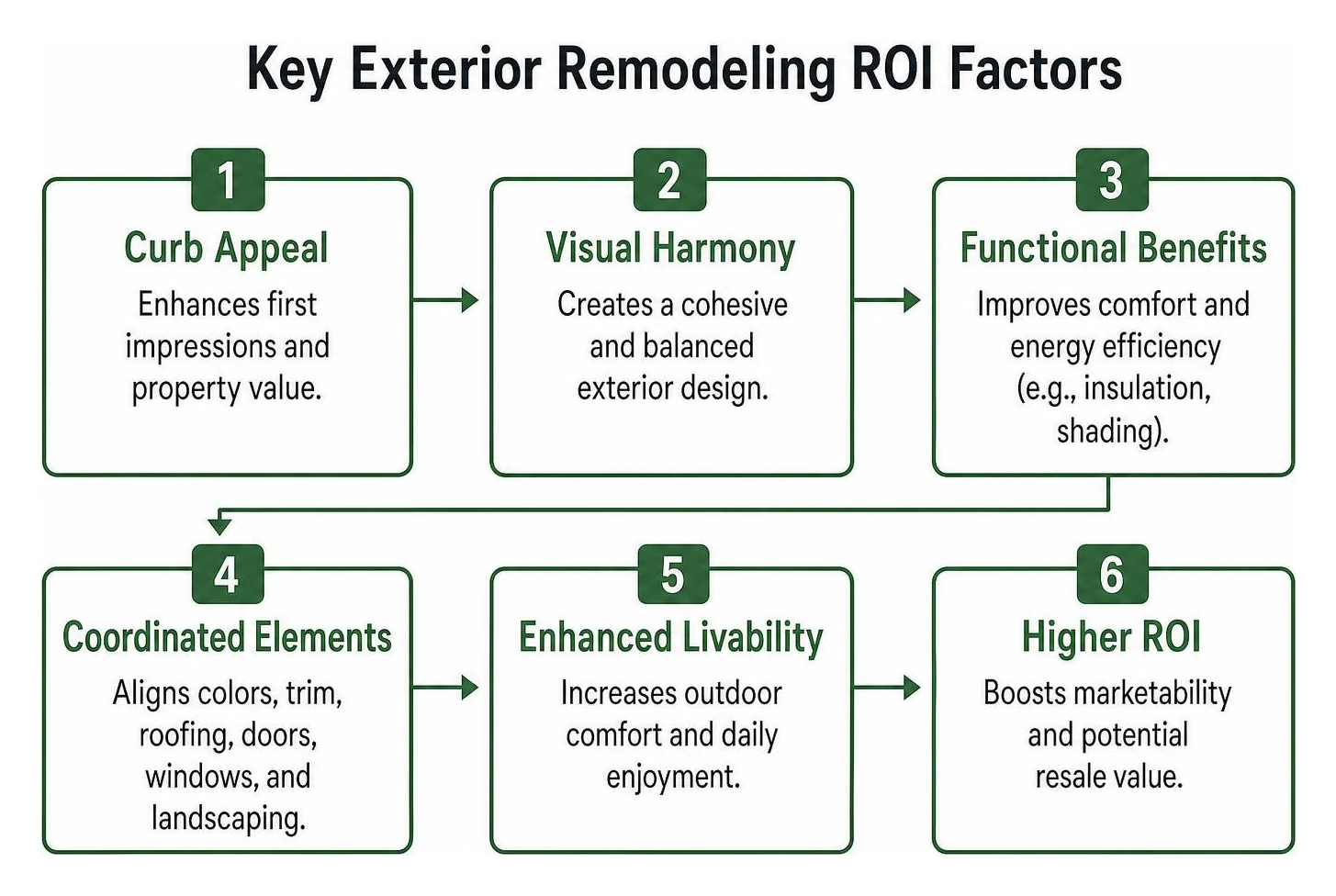
When considering exterior remodeling, it’s helpful to understand which factors contribute most to ROI. These often include upgrades that enhance both visual appeal and functional efficiency.
Coordinating Exterior Elements for Unified Home Aesthetics
Achieving a truly unified home aesthetic requires careful coordination of all exterior elements. It’s not enough to simply upgrade individual components; they must complement each other to create a cohesive and inviting look. This begins with selecting appropriate color palettes that harmonize with the home’s architectural style and natural surroundings. The trim coordination, for instance, should either blend seamlessly or provide a tasteful contrast that highlights architectural features.
The entryway, often the focal point of a home’s facade, benefits immensely from balanced design. This includes the front door, surrounding windows, and any decorative elements. Thoughtful exterior lighting can further enhance this balance, illuminating architectural details and ensuring safety and ambiance after dark. Cohesive styling across all elements—from roofing and siding to windows, doors, and even landscaping—creates a powerful visual statement that significantly boosts curb appeal.
Why Custom Garage Doors Transform Residential Facades
While often overlooked, the garage door typically occupies a significant portion of a home’s front facade, making it a critical element in shaping curb appeal. A custom garage door goes beyond mere functionality; it acts as a focal point, capable of dramatically transforming a residential facade. Unlike standard, mass-produced options, a custom door can be designed to perfectly complement your home’s architectural character, enhancing its unique style rather than detracting from it.
The right custom garage door can also improve proportion balance, ensuring that the garage area integrates seamlessly with the rest of the house. This thoughtful design elevates the entire exterior, projecting an image of quality and attention to detail. In a competitive housing market, a distinctive and well-designed garage door can significantly set a home apart, contributing to its overall charm and desirability.
Designing Custom Garage Doors for Different Architectural Styles
The versatility of custom garage doors allows them to be tailored to virtually any architectural style, ensuring a perfect match that enhances the home’s existing design. For a Craftsman style home, a custom door might feature natural wood, decorative hardware, and a simple, horizontal panel design that echoes the home’s handcrafted aesthetic. A modern minimalist residence, on the other hand, could benefit from a sleek, flush-panel door in aluminum or tempered glass, emphasizing clean lines and understated elegance.
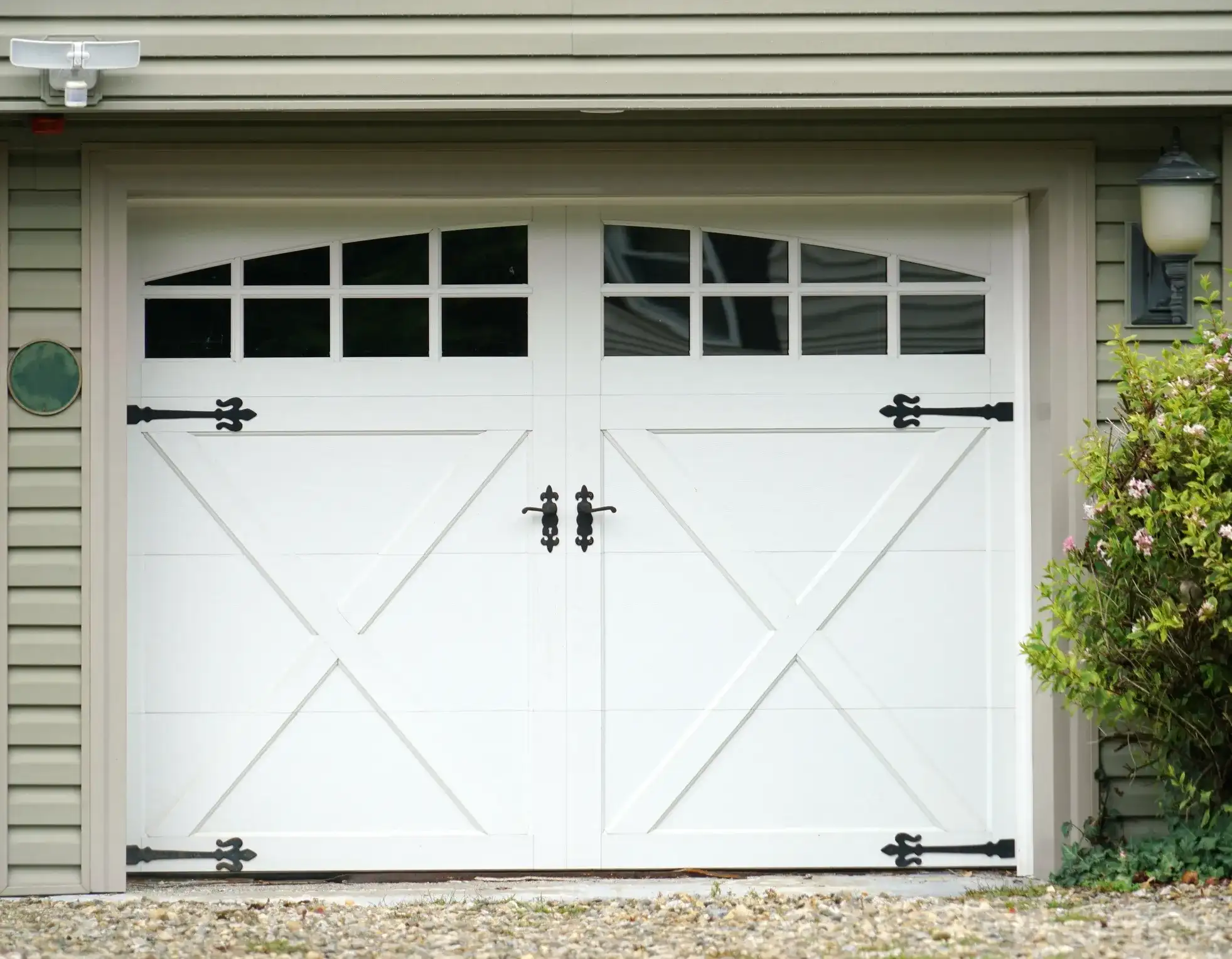
Colonial Revival homes often pair beautifully with traditional raised-panel designs, possibly in a classic white or deep historical color, complemented by window inserts that mimic multi-pane windows. For a rustic farmhouse, a carriage-house style door with crossbuck overlays and a distressed finish can evoke a charming, old-world feel. Meanwhile, contemporary glass garage doors, often featuring opaque or frosted panels, are ideal for homes with a modern aesthetic, allowing natural light while maintaining privacy and a sophisticated look. The key is to select a design that harmonizes with the home’s era, materials, and overall architectural narrative.
Material Selections for Custom Garage Doors
The choice of material for a custom garage door significantly impacts its appearance, durability, and maintenance requirements. Each option offers distinct advantages:
- Natural Wood: Offers unparalleled warmth, beauty, and a classic aesthetic. Options range from cedar and redwood to mahogany, allowing for various grains and finishes. While visually stunning, natural wood requires regular maintenance, including staining or painting, to protect against weathering and rot.
- Composite Overlays: Mimic the look of natural wood without the extensive maintenance. These doors typically feature a steel or wood core covered with a durable composite material, often made from recycled wood fibers and resins. They resist rot, cracking, and splitting, offering excellent durability with minimal upkeep.
- Insulated Steel: A popular choice for its strength, security, and energy efficiency. Steel doors are available in various gauges, panel designs, and finishes, often coated with a durable paint to prevent rust. When insulated, they provide excellent thermal performance. Maintenance is generally low, primarily involving occasional cleaning and touch-ups for scratches.
- Tempered Glass: Often used in contemporary and modern designs, tempered glass panels set in aluminum frames offer a sleek, sophisticated look. They allow natural light into the garage, which can be a significant benefit. Glass options include clear, frosted, or tinted to balance light and privacy. While durable, glass requires regular cleaning to maintain its pristine appearance.
Here’s a comparison of common garage door materials:

Thermal Performance and Energy Efficiency Considerations
Beyond aesthetic appeal, the thermal performance and energy efficiency of a garage door are increasingly important factors for homeowners. An insulated garage door can significantly impact your home’s overall energy consumption, especially if the garage is attached to the main living space or is a conditioned area itself.
Modern insulated garage doors often incorporate polyurethane insulation, which offers superior thermal resistance compared to traditional polystyrene. This insulation is measured by its R-value ratings, with higher R-values indicating better insulating properties. A well-insulated door acts as a thermal barrier, reducing heat transfer between the garage and the outdoors.
Furthermore, features like thermal breaks—non-conductive materials placed between the inner and outer skins of the door—minimize the flow of heat or cold through the door’s structure. Effective weatherstripping around the perimeter of the door also plays a crucial role in sealing gaps, preventing drafts, and keeping out moisture and pests. By maintaining a more stable temperature in the garage, these elements contribute to better climate control within the adjacent living areas, leading to noticeable energy savings and a reduced workload on your home’s HVAC system. This is particularly beneficial in regions with extreme temperature fluctuations, helping to keep your home cooler in summer and warmer in winter.
Smart Automation, Safety, and Long-Term Maintenance
Today’s custom garage doors offer more than just aesthetic appeal and thermal efficiency; they also integrate advanced technology for enhanced convenience and safety. Smart openers allow homeowners to control and monitor their garage door remotely via smartphone applications, providing peace of mind and seamless access. These systems often include features like scheduled opening/closing, activity alerts, and integration with other smart home devices.
Safety is paramount, and modern garage doors are equipped with sophisticated safety sensors that prevent the door from closing on obstructions, protecting people, pets, and property. Quiet belt-drives have replaced noisier chain-drive systems, making garage door operation smoother and less disruptive, especially for homes with living spaces above or adjacent to the garage.
To ensure long-term durability and reliable performance, regular maintenance is essential. This includes periodic balance inspection to ensure the door opens and closes smoothly without excessive strain on the opener. Weatherproofing elements, such as bottom seals and perimeter weatherstripping, should be checked and replaced as needed to maintain a tight seal against the elements. Additionally, hardware lubrication of rollers, hinges, and springs helps reduce friction and wear, extending the lifespan of these critical components. By embracing smart automation and adhering to a consistent maintenance schedule, homeowners can enjoy the full benefits of their custom garage door for many years to come.
Frequently Asked Questions About Residential Garage Upgrades
Homeowners often have several questions when considering an upgrade to their residential garage doors. We’ve compiled answers to some of the most common inquiries to help you make informed decisions.
How much value does a garage door replacement add to a home?
A garage door replacement consistently ranks among the top home improvement projects for return on investment (ROI). While specific ROI metrics can vary based on location, material, and the overall real estate market, homeowners can typically expect to recoup a significant portion of their investment, often exceeding 90% in some cases. This high return is largely due to the immediate and dramatic impact a new garage door has on property valuation and buyer perception. It significantly boosts curb appeal, making a strong first impression that can attract more prospective buyers and potentially lead to a quicker sale at a higher price. It’s an upgrade that offers both aesthetic enhancement and tangible financial benefits.
How do insulated garage doors impact overall energy costs?
Insulated garage doors play a crucial role in moderating a home’s internal temperatures, directly influencing overall energy costs. By creating an effective thermal barrier, they reduce the transfer of heat or cold between the garage and the outside environment, as well as between the garage and any adjacent conditioned spaces within the home. This reduction in thermal exchange lessens the workload on your home’s HVAC system, as it doesn’t have to work as hard to maintain desired indoor temperatures. Consequently, this can lead to lower energy consumption for heating and cooling, resulting in noticeable savings on your monthly utility bills, particularly in climates with significant temperature swings.
What regular maintenance ensures long-term garage door durability?
Ensuring the long-term durability and smooth operation of your garage door involves a few key maintenance practices. Regularly cleaning the tracks to remove dirt, debris, and any obstructions is vital for preventing rollers from sticking or causing excessive wear. Inspecting the springs for any signs of rust, wear, or damage is also important, as these components are under high tension and critical for proper door balance. Lubricating rollers, hinges, and other moving metal parts with a silicone-based spray or garage door lubricant helps reduce friction and extends their lifespan. Finally, checking and maintaining the weatherstrip along the bottom and sides of the door ensures a tight seal, protecting against elements and contributing to energy efficiency. Consistent, proactive maintenance can significantly prolong the life of your garage door system.
Conclusion
Upgrading your home’s exterior, especially with a custom garage door, represents a significant architectural enhancement that yields both immediate and long-term benefits. From establishing a striking focal point that elevates your home’s curb appeal to providing superior thermal performance and integrating smart technology, the advantages are clear. A well-chosen garage door is more than just an entry point; it’s an investment in lasting durability, elevated aesthetics, and a substantial return on investment. By carefully selecting materials, designs, and smart features, homeowners can transform their residential facades, creating a more beautiful, efficient, and valuable property for years to come