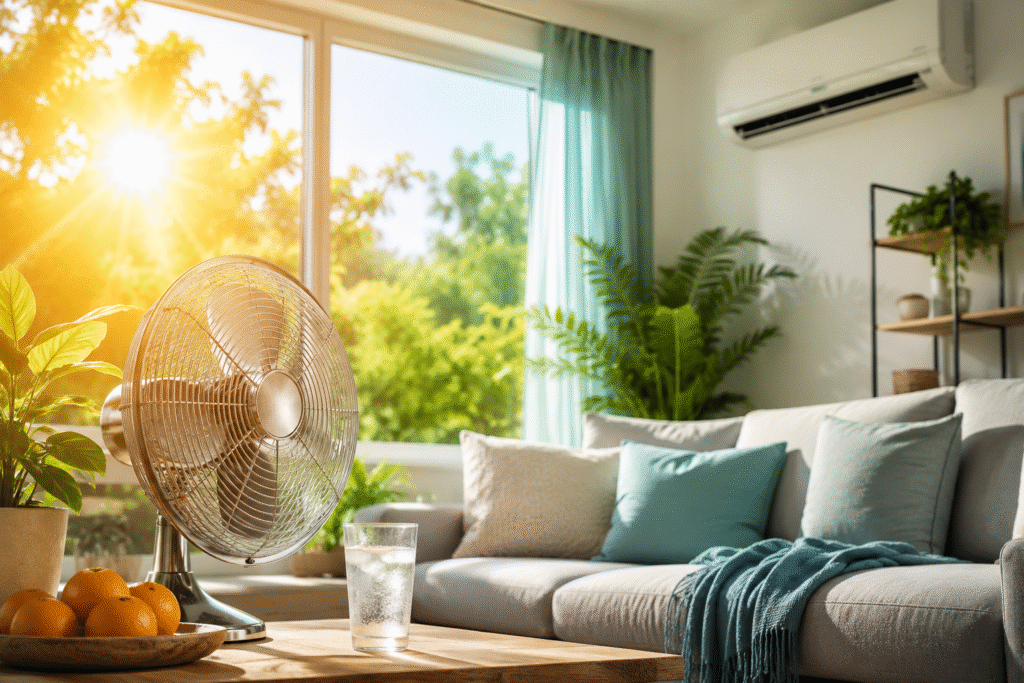
Summer heat can push your home’s cooling system to its limits, making indoor spaces uncomfortable while sending energy bills soaring. Whether you’re facing record-breaking temperatures or simply looking for smarter ways to stay comfortable, a few simple strategies can make a significant difference.
From preparing your air conditioner for peak performance to improving insulation, blocking heat from your windows, and using energy-efficient cooling techniques, there are many ways to beat the summer heat without relying on your AC all day. If you’re looking for more ways to create a healthier lifestyle, explore our Wellness section.
In this guide, you’ll discover practical, expert-backed tips to keep your home cooler, lower your cooling costs, and enjoy a more comfortable and energy-efficient summer.
Key Takeaways
- Regular HVAC maintenance is essential for optimal performance during summer.
- Proper insulation and sealing prevent cool air from escaping.
- Strategic use of window treatments and fans can significantly reduce indoor temperatures.
- Landscaping choices, such as planting shade trees, can help create a cooler home environment.
Table of Contents
- HVAC Maintenance
- Insulation and Sealing
- Window Treatments
- Strategic Use of Fans
- Landscaping for Shade
- Energy-Efficient Appliances
- Nighttime Ventilation
- Hydration and Personal Cooling
As summer approaches, maintaining a cool, comfortable home becomes vital for your well-being and energy conservation. Adopting a proactive approach can help prevent summer heat from affecting your living environment and keep energy costs under control. Scheduling an AC tune-up in Tucson, AZ, ensures your air conditioning system runs efficiently before peak temperatures hit. By integrating several strategies, you can enjoy lasting comfort as temperatures soar.
The key to summer comfort is not just about blasting the air conditioner. From regular HVAC system check-ups to smart landscaping decisions, a holistic approach can deliver both immediate relief and long-term cost savings. Insulating your living space and managing sunlight exposure creates a much more manageable indoor climate, even during the hottest days. Thoughtful routines and upgrades transform your home into a haven from the heat while supporting your household’s health and finances.
HVAC Maintenance
Maintaining your HVAC system is at the heart of summer home preparation. A well-serviced air conditioner will cool your space efficiently, avoid mid-season breakdowns, and last longer overall. Begin by changing filters every 1 to 3 months to promote airflow and improve air quality. Schedule an annual professional inspection to clean coils, check refrigerant levels, and make proactive adjustments to prevent strain on the system during peak use. More details can be found on the U.S. Department of Energy website.
A comfortable home also contributes to better sleep quality and overall well-being. Learn more in our guide to improving your health and wellness.
Insulation and Sealing
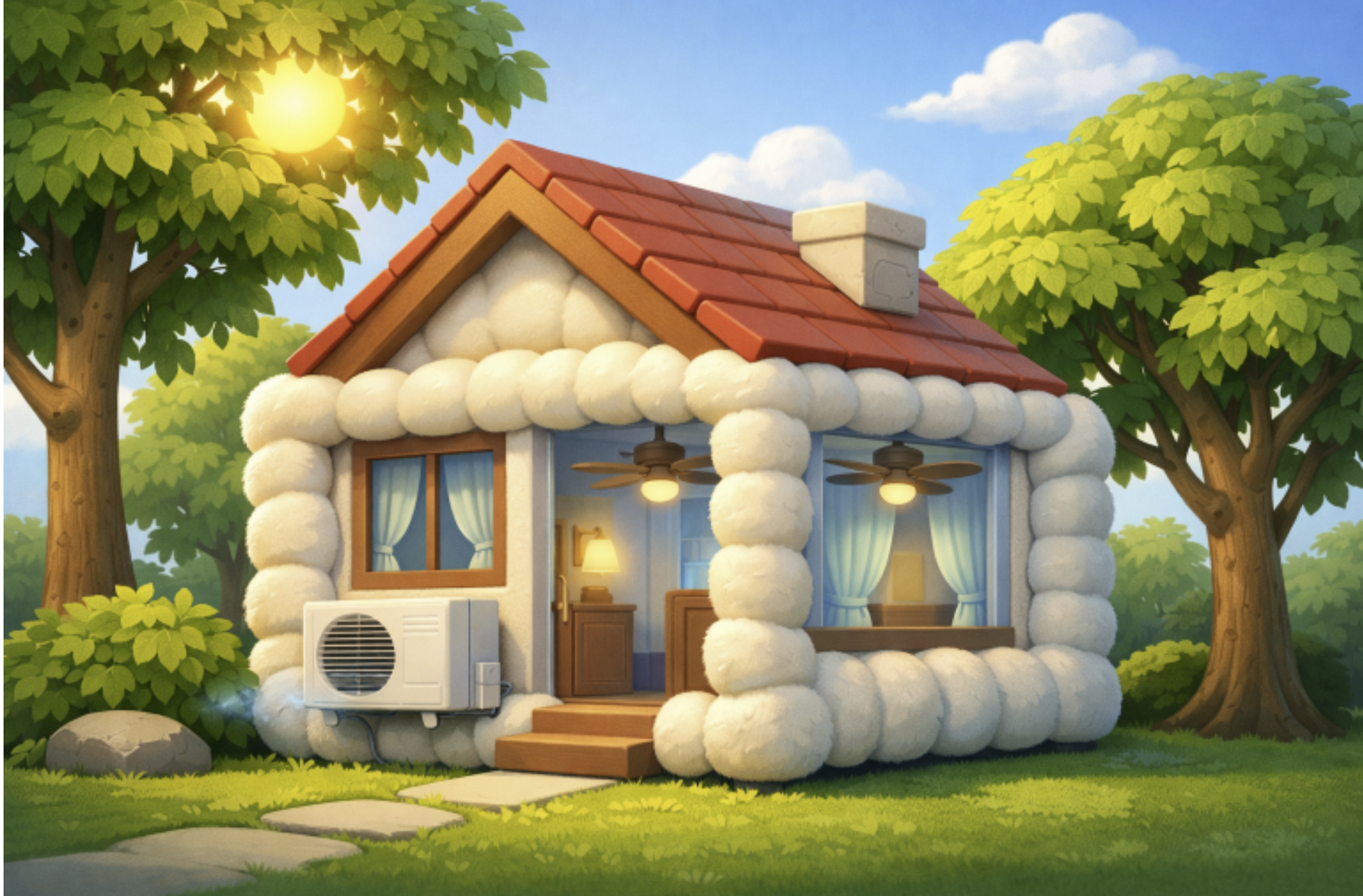
The integrity of your home’s envelope is crucial for keeping heat out and cool air in. Inspect attics and walls for areas that need insulation upgrades, as proper insulation can reduce cooling costs by minimizing the need for air conditioning. Caulking or weatherstripping gaps around doors and windows prevents drafts and keeps your cooled air indoors. The U.S. Department of Energy highlights that even small sealing efforts make a noticeable difference in home comfort and energy bills.
Creating a comfortable living space is one of the foundations of a balanced lifestyle. You may also enjoy our collection of Lifestyle articles
Window Treatments
Managing sunlight is a simple yet highly effective tactic for temperature control. Install blackout curtains, thermal drapes, or reflective films on windows, especially those facing south or west, to reduce solar heat gain by up to 90%. Cellular shades are particularly effective because their honeycomb structure traps air and insulates windows, keeping rooms cooler in direct sunlight. Adjusting blinds or closing curtains during peak sun hours can significantly reduce room temperatures, giving your air conditioning system a much-needed break.
Strategic Use of Fans
Fans are a budget-friendly supplement to air conditioning. Use ceiling fans in rooms to keep you more comfortable, setting the blades to spin counterclockwise to push cooler air downward. Strategically placed window and box fans can expel hot air or draw in cooler evening breezes. Combining fans with open windows during the evening or overnight hours can quickly cool down an overheated space. Portable fans positioned for cross-ventilation add another layer of comfort, especially in rooms with poor airflow.
Landscaping for Shade
Landscaping is more than curb appeal; it is a natural defense against summer heat. Well-placed shade trees can block solar rays from windows and roofs, noticeably lowering indoor temperatures. Deciduous trees are ideal around homes, as they provide ample shade in summer and let sunlight through during winter when foliage drops. Pergolas, trellises with climbing vines, or tall shrubs near south- and west-facing walls can also reduce solar gain, making your garden work harder for your comfort. More information on strategic landscaping can be found at the Arbor Day Foundation.
Energy-Efficient Appliances
Appliances contribute to internal heat, so consider upgrading to energy-efficient models that emit less heat and use less power. Look for appliances carrying an Energy Star rating for proven performance during peak season. Run heat-generating devices, such as ovens, dryers, and dishwashers, early in the morning or late in the evening. Ditch incandescent bulbs for LEDs to save on both cooling and energy costs, as traditional bulbs add unnecessary heat to your space. More details can be found on the U.S. Department of Energy website.
Nighttime Ventilation
Take advantage of nightly temperature drops by implementing nighttime ventilation. Open windows and create cross-breezes in the cooler hours after sundown. Fans can help pull in fresh air, and closing up again in the morning keeps the coolness inside longer. This technique is most effective in areas where desert-like temperature swings occur between day and night, letting you enjoy natural cooling and perhaps even turn off the AC occasionally. The practice, sometimes called “burping” your house, helps maintain optimal sleeping conditions without additional electricity use. More information is available at Scientific American.
Hydration and Personal Cooling
While your home is being managed for efficiency, do not overlook personal comfort. Proper hydration supports your body’s natural cooling system, so always keep water accessible. Cool showers, damp washcloths, and wearing lightweight natural-fiber clothing all help you feel refreshed. Small steps, like soaking your feet in cool water or using a handheld fan, can make a noticeable difference in personal comfort, especially when transitioning from outdoors to indoors.
By layering these approaches, you can transform your home into an oasis of coolness and efficiency. Through regular maintenance, smart upgrades, and daily habits, you will ensure lasting comfort and savings throughout the hottest months.