Hot sleepers need bedding that manages warmth without sacrificing softness, fit, or easy care. The right sheets should feel comfortable against the skin, allow air to move through the fabric, and avoid trapping excess heat during the night. Material choice matters, but construction, weave, and moisture handling also shape the experience. A useful comparison starts with those shared qualities, then considers which fabric suits each sleeper’s preferences and routine.
Breathable Fabrics Support Steadier Sleep
Breathable sheets allow heat and moisture to move away from the body instead of holding them close to the skin. That quality matters most for people who wake up sweaty or regularly sleep in warm rooms.
The best bed sheets for hot sleepers usually share a focus on breathable materials, lighter construction, and a smooth feel. These qualities help bedding feel less heavy during warm nights while keeping the sleep surface comfortable. Fabric choice still matters, because eucalyptus-based lyocell, linen, and cotton each create a different balance of softness, airflow, texture, and durability.
Material Affects Temperature Control
Eucalyptus-based TENCEL™ lyocell is known for a smooth hand feel. TENCEL™ lyocell is known for its sheets and duvet cover, giving hot sleepers a soft surface with a lightweight feel.
Linen provides a more textured option. A linen collection, which uses 100% flax linen, offers a comfortable experience. Linen has a relaxed texture and suits sleepers who prefer a less silky surface with a naturally airy feel.
Cotton remains a practical choice for sleepers who prefer familiar bedding. Good cotton collections use 100% long-staple cotton. Long-staple cotton provides a smooth surface and supports regular use when shoppers want softness with dependable durability.
Weave and Weight Shape the Feel
Fiber content does not tell the whole story. The weave and fabric weight affect how sheets feel against the body, how easily air passes through them, and how much warmth they retain.
Good sleep can feel difficult to achieve when you are going through a turmoil. In such situations, the weight and weave of the sheets in importabt in ensuring an undisturbed sleep. Lighter sheets generally feel less restrictive in warm conditions. A smooth lyocell surface feels different from linen’s textured hand, while cotton provides a familiar middle ground. Shoppers should read the material description alongside the product type instead of judging sheets by fiber name alone.
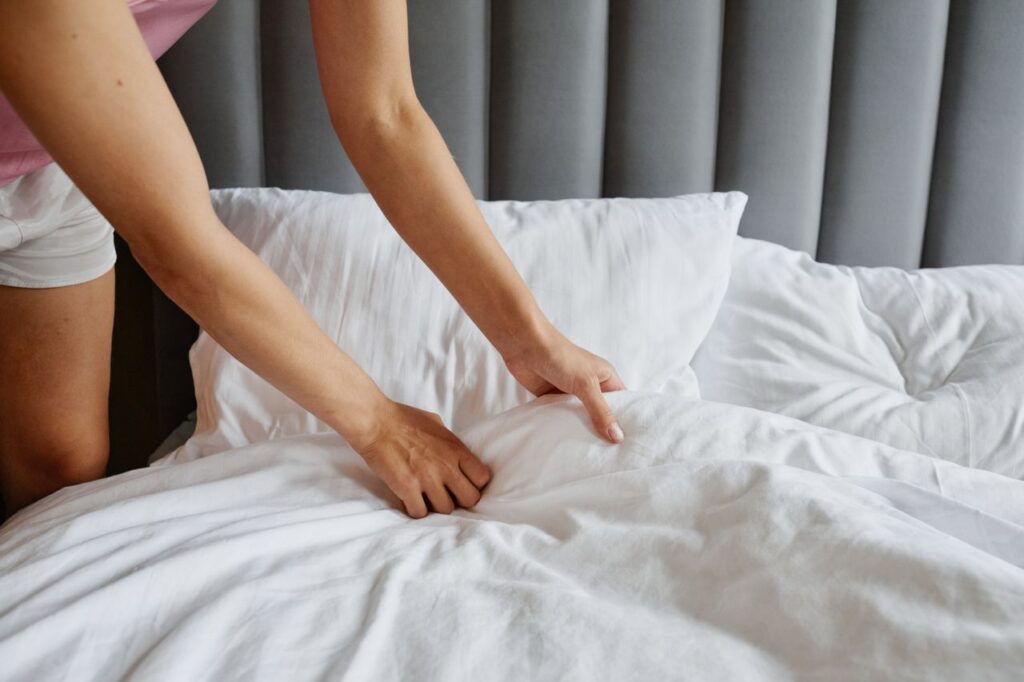
A fitted sheet also needs a secure fit. Loose bedding can bunch beneath the body, while an overly tight sheet can pull away from mattress corners. Checking mattress depth and selecting the correct sheet size prevents unnecessary friction during the night.
Moisture Handling Matters
Heat and perspiration often appear together, so hot sleepers need sheets that stay comfortable after moisture reaches the surface. A fabric that feels pleasant at bedtime can become uncomfortable if it holds dampness against the skin.
Breathable bedding supports a drier sleep surface by allowing moisture to move through the fabric more effectively. Room temperature, blankets, pajamas, and mattress construction also affect nighttime heat, so sheets work as part of the full bedding system.
Changing sheets on a regular schedule supports freshness, especially for sleepers who perspire heavily. Following the care instructions protects the fabric’s texture and fit over time.
Softness Should Match Personal Preference
Softness has different meanings across fabrics. Lyocell feels smooth and cool against the skin, linen feels textured and relaxed, and long-staple cotton feels soft with a familiar woven character.
People with sensitive skin often prefer a smooth surface with minimal roughness. Other sleepers enjoy linen’s texture because it feels less slick and develops a softer hand through use. The best choice depends on skin preference, temperature needs, and tolerance for texture.
Good Sheets Support Simple Care
Hot sleepers often wash bedding more frequently, so easy care matters. A sheet set that requires complicated handling can become inconvenient when regular laundering is part of the routine.
Shoppers should check the care label before purchasing and follow the stated washing instructions. Proper washing helps preserve the fabric’s softness, shape, and appearance. Buying a fitted sheet, flat sheet, and pillowcases together can also simplify replacement when individual pieces wear at different rates.
Conclusion
The best sheets for hot sleepers share practical traits: breathable fabric, a comfortable surface, suitable weight, and dependable fit. Material choice should follow personal texture preferences, washing habits, and the amount of warmth produced during sleep. A shopper comparing eucalyptus-based lyocell, linen, and long-staple cotton can narrow the selection by checking each fabric’s feel and care requirements. The next step is to measure the mattress, choose the preferred texture, and review the care instructions before ordering.