Millions of workplace injuries occur every year. These injuries can come in many forms from burns while handling chemicals to getting knocked unconscious by a frozen fish. Certain injuries are more common than others – in this post, we’ll take a look at some of the most frequent accidents, how to prevent them and what to do if you experience these injuries.
Slips, trips and falls
Slips, trips and falls are believed to be responsible for 30% to 40% of all workplace injuries. A wide range of accidents are included in this category including:
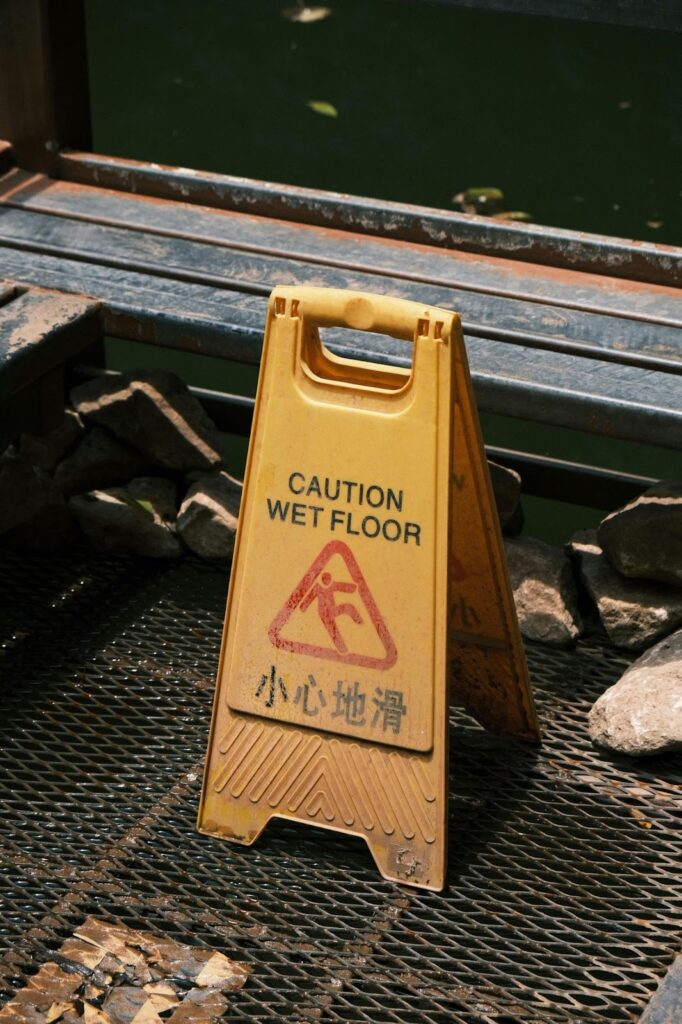
- Slips on wet floors
- Tripping over cables
- Falls from height
- Tripping on uneven surfaces
- Falls down stairs
- Slips on spilled oil
The risk of these injuries can be reduced by maintaining clear walkways, wearing appropriate shoes, using proper lighting and immediately cleaning up spillages. Employers meanwhile have a legal duty to repair damaged floors, provide guard rails when needed or provide other safety equipment when working at heights.
These accidents can lead to sprains, fractures or even head injuries. Always see a doctor if you’re experiencing major pain. If employer negligence was the cause, legal compensation may be worth pursuing with the help of a firm like Laffey Bucci D’Andrea Reich & Ryan.
Heavy lifting injuries
Back, neck and shoulder injuries at work are often caused by heavy lifting. This is typically the result of improper lifting technique (bending the back, rather than lifting from the knees) or lifting loads that are too heavy for one person.
In jobs that require heavy lifting, employees should always be given training as to how to lift correctly and when to ask for help. Lifts and trolleys should be used where possible to minimize reliance on manual lifting.
Ultimately, be sensible when lifting heavy loads and don’t try to lift too much – it’s better to spend a little extra time taking multiple journeys than to injure your back forever.
Repetitive strain injuries
Repetitive strain injuries are injuries caused by performing the same action over and over again. This includes work activities like typing, painting, cleaning, sawing or scanning items at a checkout.
Some of the most common examples include:
- Carpal tunnel syndrome (pain in the median nerve in the wrist)
- De Quervain’s tenosynovitis (pain on the thumb side of the wrist)
- Trigger finger (a condition where fingers get stuck in a bent position)
- Rotator cuff syndrome (pain in the shoulder caused by overhead activities)
If you start to notice aches while working, take a break – don’t fight through the pain, as this can turn them into long-term injuries. Use tools with ergonomic handles to further reduce strain and also consider your work setup (is your desk at the right height and have you got enough elbow room?).
Injuries from falling objects
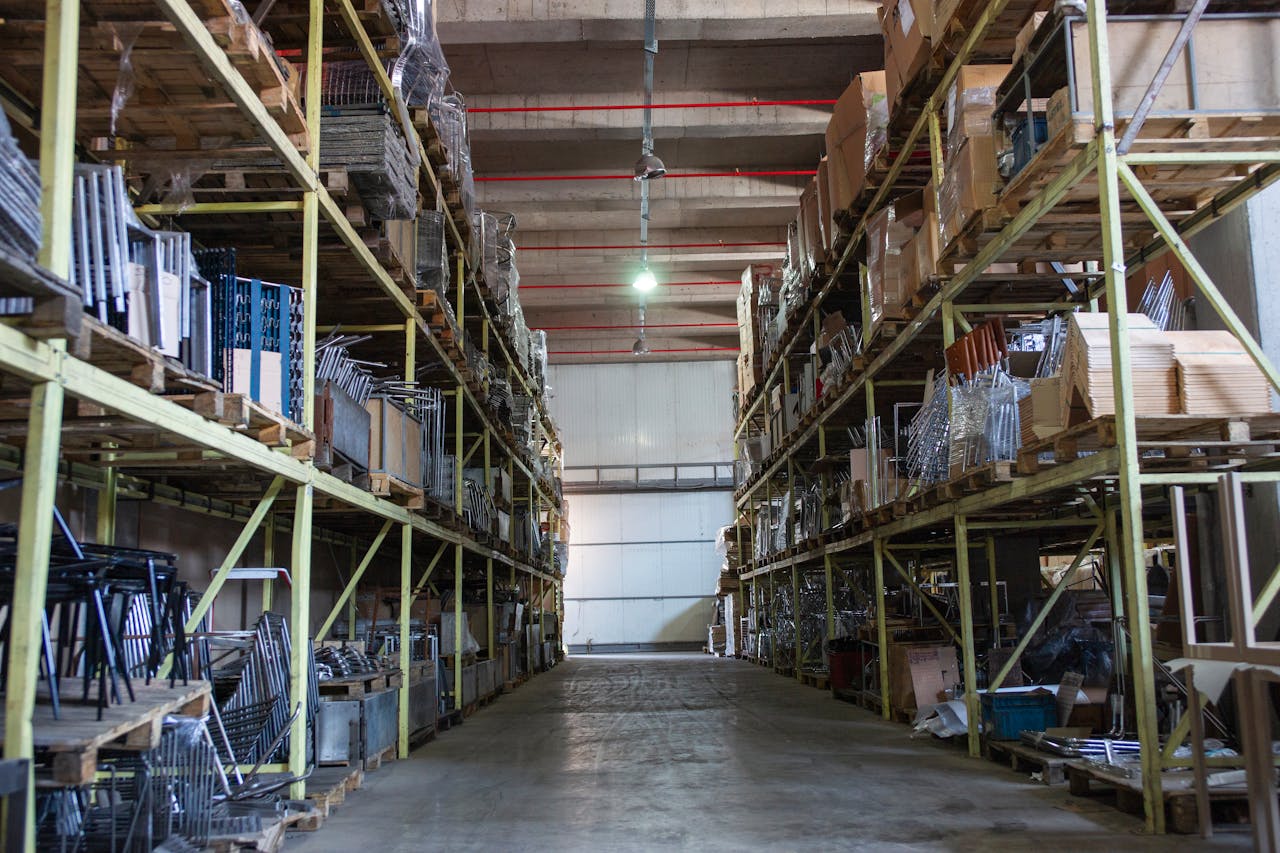
Injuries from falling objects at work are also very common and can result in bruises to fatal trauma. Such injuries are often caused by unsecured or highly stacked items falling.
There are many safety measures you can take to help prevent such injuries including:
- Avoiding stacking items too high and placing heavy items on lower shelves
- Using safety nets or toeboards when working at height
- Wearing a hard hat in areas where falling objects could be a risk