Have you noticed how everyone in LA seems to be searching for the perfect mix of calm and energy these days? With busy work schedules, rising living costs, and endless online noise, balance feels like a luxury people are actively trying to regain. That is why wellness trends are shifting toward practices that feel practical, grounded, and doable. In this blog, we will explore how people are using new methods to feel more centered in daily life.
Micro-Wellness Breaks Are Replacing Marathon Self-Care Sessions
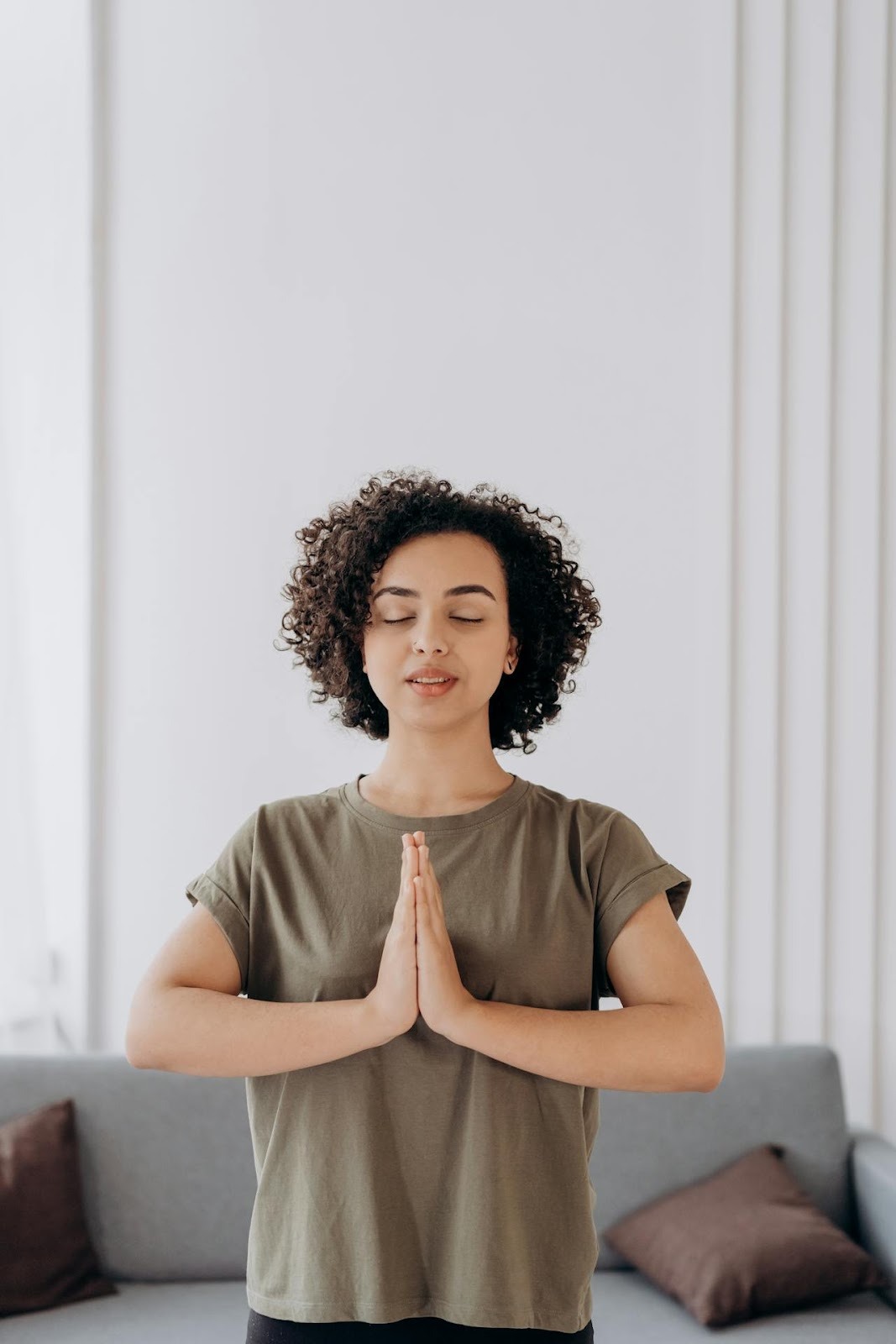
People used to believe that wellness required long routines or dramatic lifestyle changes, yet the modern approach looks different. Many are turning to micro-wellness, which means taking very small breaks throughout the day to avoid mental overload. These pauses can include breathing exercises, stretching, or stepping outside for a few minutes to get sunlight. These moments help the mind reset before stress builds into something heavier. They also fit easily into workdays, which makes them sustainable. This trend reflects a larger cultural move toward choosing routines that work with life as it is rather than waiting for ideal conditions that rarely appear.
LA residents, in particular, often rely on short wellness breaks as a way to manage fast-paced schedules. Demand for convenient services has grown, and companies offering quick sessions or accessible treatments are becoming more popular. Many people visit Self Care LA when they want quick treatments that fit into a packed day, since the clinic focuses on services that deliver noticeable results without long recovery periods. These shorter wellness practices connect to a bigger shift across the country, where individuals want self-care to feel natural instead of like another item on a to-do list.
The Rise of “Sensory Hygiene”
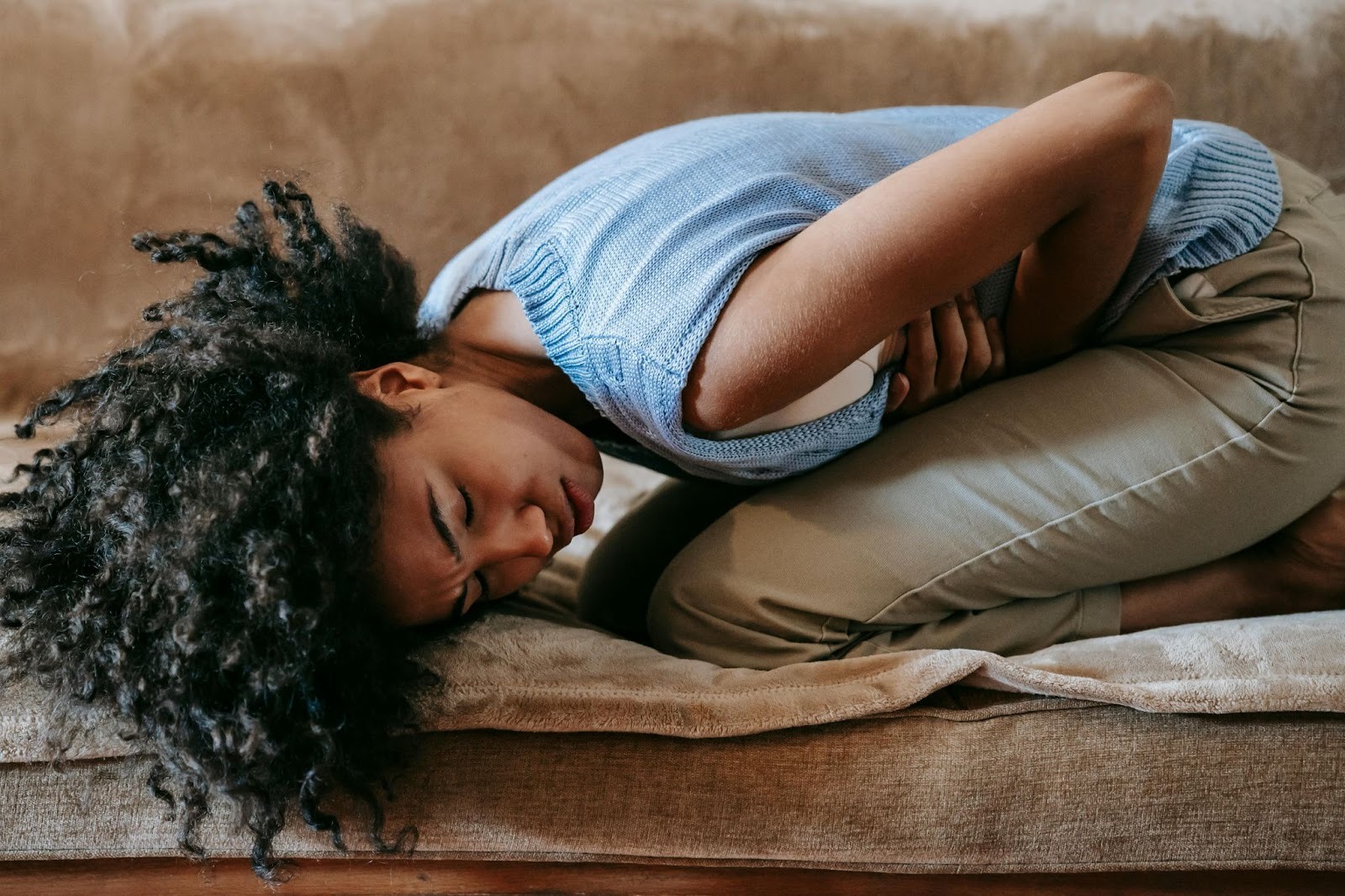
Conversations about mental health are no longer limited to stress or sleep, as people now recognize the impact of constant digital stimulation. Sensory hygiene is a growing trend that focuses on reducing the overload created by nonstop alerts, notifications, and bright screens. People are becoming more aware of how these small interruptions affect the brain, especially after recent research linked heavy digital multitasking with higher anxiety levels. The idea is simple: control what reaches your senses so your mind has room to breathe.
Individuals are turning off unnecessary notifications, choosing softer lighting at home, and avoiding content that spikes stress levels. Parents are teaching children to take screen breaks so their minds can rest, which encourages healthier habits for the next generation. This push toward sensory balance reflects a broader cultural desire to regain control of attention. It also mirrors national conversations around technology exhaustion, which has become a shared experience across age groups.
Nature-Based Practices Are Making a Serious Comeback
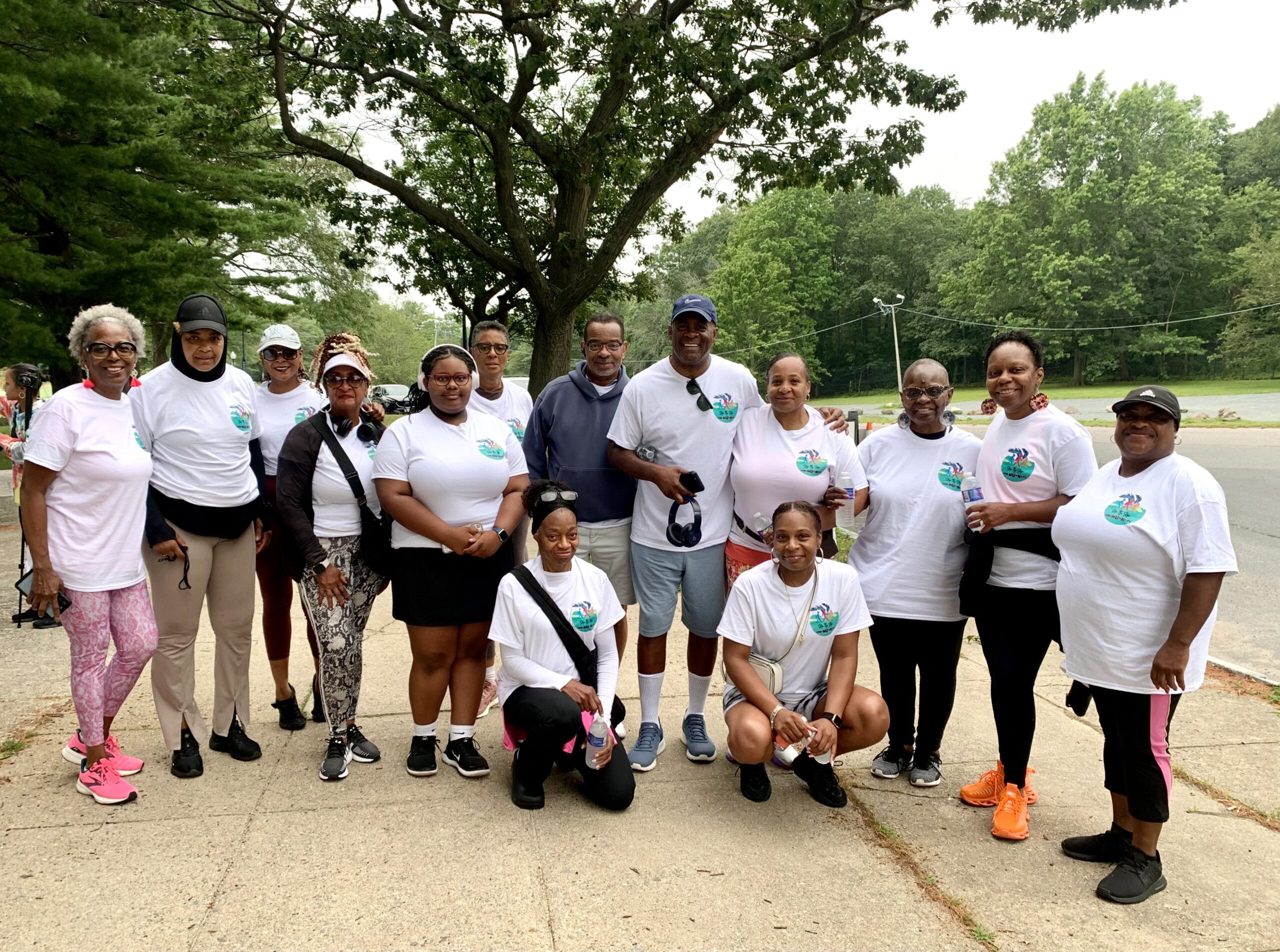
Americans are rediscovering the emotional benefits of being in nature as more studies show that green spaces help lower stress. Hiking groups, outdoor yoga, and weekend picnics are becoming common again, even among people who once preferred indoor social plans. Many individuals are choosing parks and gardens as meeting spots because fresh air offers a calmness that indoor spaces cannot match.
This trend grew stronger after recent conversations about “nature deficit,” a term used by researchers to describe how little time many people spend outside. Cities are responding by expanding green areas and adding walking trails that make outdoor time more accessible. People are also bringing more plants into their homes because greenery helps regulate mood and improves indoor air quality. These small natural touches remind individuals that wellness does not always require specialized tools. Sometimes balance begins with stepping outdoors or adding a little life to the living room.
Work-Life Boundaries Are Becoming a Wellness Tool
One of the clearest wellness shifts in the country is the push to set stronger boundaries between work and personal time. People are recognizing how blurred schedules affect health, especially as remote and hybrid jobs become more common. The conversation around burnout has led many to create clearer routines, such as designated work hours or intentional time offline.
This movement reflects a cultural demand for better balance, as individuals want to be productive without sacrificing wellbeing. Employers are beginning to respond by offering mental health days, flexible schedules, or lighter meeting loads when possible. These changes may not solve every challenge, but they show that wellness is gradually being integrated into workplace culture.
Finding balance today requires thoughtful choices that fit into real life. These new wellness trends highlight how people across the country are searching for stability, calm, and connection in accessible ways. Wellness is becoming less about perfection and more about practical steps that help individuals feel grounded, supported, and ready to handle the world around them.