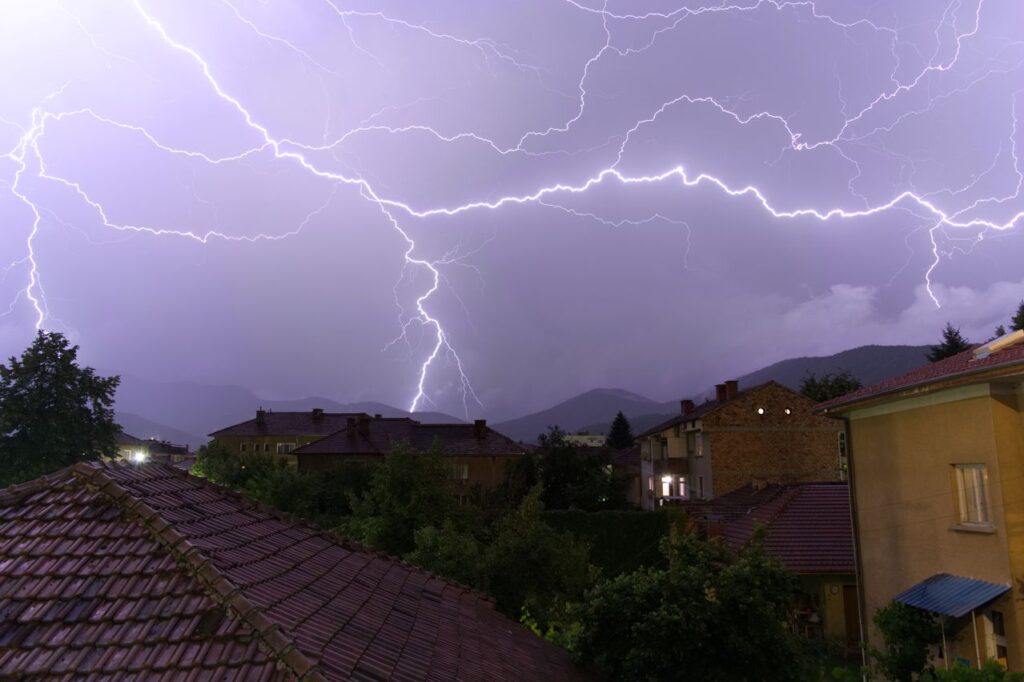
Summer storms are common in Northern Virginia. While the rain helps cool things down, strong storms can bring heavy rain, strong winds, lightning, and soaked ground that may damage your property.
After a storm, most homeowners notice problems like roof damage or broken siding. But two important issues are often missed: damaged trees and septic system problems.
Taking care of these issues early can help keep your home safe and may prevent more costly repairs after future storms.
Why Summer Storms Cause More Damage Than You Think
Strong winds and heavy rain create the perfect conditions for hidden property damage. Trees become unstable, underground drainage changes, and excess water places enormous pressure on septic systems.
Even if your property appears fine after a storm, underlying problems may already be developing.
Some common storm-related issues include:
- Broken or hanging tree limbs
- Leaning trees with weakened root systems
- Soil erosion
- Flooded drain fields
- Septic backups
- Water pooling around foundations
- Clogged outdoor drainage systems
Identifying these problems early allows homeowners to take action before small issues become major repairs.
Hazardous Trees Can Become a Serious Safety Risk
Storm-damaged trees don’t always fail immediately. A branch that survives one storm may fall during the next windy afternoon.
Large limbs hanging over homes, driveways, fences, or power lines create unnecessary risks for both people and property.
Watch for warning signs such as:
- Cracked or split trunks
- Large dead branches
- Trees suddenly leaning
- Exposed roots
- Mushrooms growing near the base
- Limbs rubbing against your roof
Many homeowners assume a healthy-looking tree is safe, but internal damage isn’t always visible from the outside.
Scheduling tree trimming and removal in Ashburn, VA, after significant storms helps eliminate dangerous limbs, improve tree health, and reduce the risk of future storm-related damage before hurricane season peaks.
Preventive Tree Care Saves Money
Waiting until a tree falls is almost always the most expensive option.
Preventive maintenance can help:
- Reduce emergency removal costs
- Protect roofs and gutters
- Prevent damage to vehicles
- Improve property appearance
- Encourage healthier tree growth
Certified professionals can identify structural weaknesses that homeowners may overlook and recommend whether trimming, cabling, or complete removal is the safest solution.
Don’t Ignore Drainage Problems After Heavy Rain
Water that doesn’t drain properly creates more than muddy lawns.
Pooling water can:
- Weaken tree roots
- Damage landscaping
- Increase mosquito activity
- Saturate septic drain fields
- Cause soil erosion
Walk around your property after heavy rainfall and note areas where water remains for more than a day. Persistent standing water often signals drainage issues that should be corrected before they begin affecting other systems.
Your Septic System Works Hardest During Storm Season
Many homes throughout Northern Virginia rely on septic systems rather than municipal sewer connections.
While these systems operate quietly underground, heavy rainfall places significant stress on every component.
When the surrounding soil becomes oversaturated, wastewater cannot drain efficiently. This can cause sewage backups, unpleasant odors, slow drains, and even damage to the drain field.
Unfortunately, many homeowners don’t recognize the warning signs until the system begins failing.
Signs Your Septic System May Need Attention
Following periods of heavy rain, watch for symptoms like:
- Slow-draining sinks and tubs
- Toilets that flush poorly
- Wet spots over the drain field
- Gurgling sounds in plumbing
- Sewage odors outdoors
- Standing water near the septic area
These issues should never be ignored. Delaying repairs often allows minor problems to become much larger and more expensive.
If your system shows any of these warning signs after severe weather, scheduling septic system repair services in Northern Virginia can help identify damage early and restore proper operation before additional complications develop.
Prevent Storm Damage Before It Starts
Preparing your property before storms arrive is often easier than repairing damage afterward.
Consider adding these tasks to your seasonal maintenance checklist:
Inspect Trees
Remove dead limbs and evaluate older trees for structural concerns.
Clean Gutters
Ensure water flows away from your home instead of collecting near the foundation.
Monitor Drainage
Keep swales, drainage ditches, and culverts free of debris.
Protect Your Septic System
Avoid driving or parking heavy vehicles over the drain field, especially after rain.
Schedule Routine Inspections
Professional inspections often reveal hidden problems before they become emergencies.
Common Mistakes Homeowners Make
Even well-intentioned homeowners sometimes create bigger problems by delaying maintenance or attempting unsafe repairs.
Some of the most common mistakes include:
- Ignoring leaning trees because they still have green leaves
- Waiting until branches actually fall
- Planting large trees too close to septic systems
- Driving heavy equipment over saturated drain fields
- Assuming slow drains are only indoor plumbing issues
- Skipping inspections after major storms
Create a Seasonal Maintenance Plan
Storm recovery shouldn’t be a one-time event.
Instead, develop a simple annual maintenance schedule that includes:
- Spring tree inspection
- Summer storm damage assessment
- Fall gutter cleaning
- Septic inspection every few years, or sooner if problems appear
- Routine drainage evaluation after major rainfall
Regular maintenance reduces the need for unexpected repairs and helps homeowners feel more prepared throughout storm season.
Final Thoughts
Summer storms are unavoidable, but many of the problems they create are preventable with timely maintenance and professional inspections.
Hazardous trees and stressed septic systems often develop hidden damage that isn’t immediately obvious after a storm passes. By acting early instead of waiting for emergencies, homeowners can improve safety, protect their property, and reduce the likelihood of costly repairs.
Taking a proactive approach now can make all the difference before the next round of severe weather arrives.