Being a parent is expensive. That much becomes pretty obvious as soon as you start picking up all the things you’re going to need to welcome your baby into the world. Don’t underestimate how big that shopping list can be, but at the same time, make sure that you’re not spending a lot more than you need to. It’s very easy, with a mix of uncertain expectations and a ton of overpriced stuff aimed specifically at parents who want to provide their baby with the best. Let’s look at what you can do to stop those costs from getting out of control.
Know Your Needs Vs. Your Nice-To-Haves
Prioritization is vital. If you start confusing the things you might want to get with the things that you need, you could run out of money for the essentials. Save money by skipping out on popular gadgets like wipe warmers, formula makers, and the like. Instead, make sure your budget provides a place to sleep, bedding, diapers, clothing, feeding supplies, and hygiene items, first and foremost. A good way to make sure that you’re on the right track before picking up any larger ticket items is to ask yourself whether it solves a real problem, or if it just makes something a little more comfortable or easier.
Don’t Overspend On Clothes They’ll Quickly Outgrow
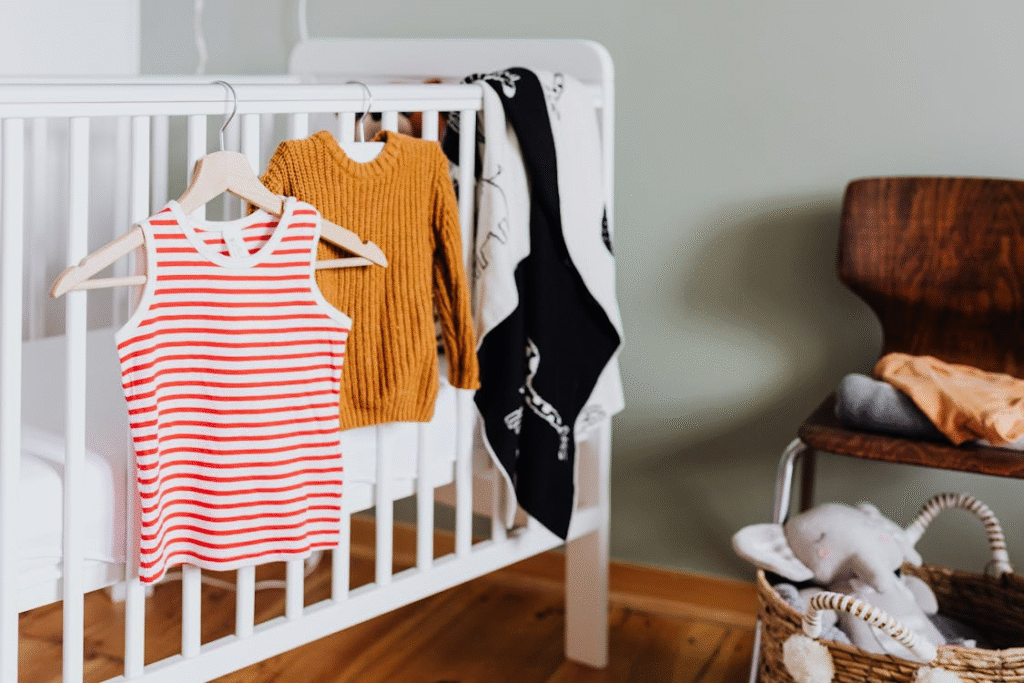
There’s nothing wrong with putting a little money into an adorable baby outfit once in a while, but don’t underestimate how much of a money trap that whole market can be. Babies grow fast, and they might not be able to wear that outfit you bought mere weeks after you bought it. Expensive outfits are poor investments. Instead, focus on the comfortable, practical, and simple basics, such as bodysuits and sleepers. You just need enough to be able to cycle through them while washing, so that replacing them when they outgrow them doesn’t feel like a tragic waste of money. There’s plenty of time for playing dress-up as they get a little older, and they aren’t growing quite as fast.
Avoid Bulk Buying Newborn-Specific Supplies
While this wisdom certainly fits when talking about clothing, you should also be mindful of the wide range of other newborn supplies that you might end up bulk-buying. Diapers, bottles, pacifiers, and feeding supplies are all designed with different ages in mind, and those for newborns are the ones that they’re going to outgrow the fastest. Diapers, you can usually rest assured you’re going to get through, but, in general, avoid bulk buying, starting with enough to meet your needs over the next couple of weeks, and be ready to adjust. Check your baby’s diaper fit every week or so, so that you have a better idea of when to go up to the next size.
Choose Items That Grow With Your Child
Making a mistake with your consumable supplies is rarely too costly, unless you buy in way more volume than you’re ever likely to make use of. However, when it comes to those bigger ticket items, such as cribs, high chairs, and strollers, you should be wary of those that are only suited to newborns and then have to be given away or sold at a loss when they’re outgrown. Take the time to look for a crib that grows with your child, chairs with adjustable stages, and multi-use strollers. Some of these can last you for years if you take good care of them, and you choose ones that are made from durable materials. Avoid the bells and whistles, opting for longevity over flash. A crib can only be so exciting.
Embrace Second-Hand Gear (With Care)
When you’re able to trust that they are safe and hygienic, second-hand baby care can save you literal hundreds if not thousands of damage. Hand-me-down clothing, toys, books, bouncers, high chairs, and the like are often used only for a short time, so they’re typically in great condition when you go to buy them. It’s also a lot better for the environment, reducing waste as well as your own expenses. Be sure to check any second-hand item you buy for recalls or known safety issues. Even if they are well cared for, take the time to wash clothing and wipe hard surfaces before giving them to your baby. Though you should do that for new items just as readily. Some products should always be bought new, of course, such as breast pumps, car seats, and mattresses.
Shop Smart For Consumables
The consumables that you have to buy regularly, such as diapers, wipes, and creams, can quickly become some of your biggest expenses, simply due to how often they recur. As such, unless you really love a particular brand for notable features that make a real difference, generic and store-brand offerings can often work just as well. You should always try smaller packs of newer products with your baby before committing to larger quantities, as your baby might be sensitive to certain ingredients or fabrics within common products. If there’s a sale on, consider buying in bulk if it’s something your baby isn’t likely to outgrow.
Take Free Whenever You Can Get It
Unless a product is likely not to be good for your baby (such as shampoos or cleansers with fragrance in them), you should keep an eye out for whatever freebies are available in order to avoid having to buy it later. Baby registries, for instance, sometimes offer welcome boxes with samples, coupons, and discounts just for signing up. Store loyalty programs and newsletters can help you see discounts and savings, as well. You can even use price-tracking tools to specifically look for baby products that are currently on offer from various stores. A little deal hunting can save you a ton of money if you do it right.
When it comes to the potential costs of raising a baby, the sky really is the limit. You need to put your own limits in place to make sure that you’re providing as a parent without going overboard.