Table of Contents
- Introduction
- Fiber Cement Siding
- Eco-Friendly Materials
- Bold and Dark Colors
- Vertical Siding Accents
- Mixed Textures and Materials
- Smart and Insulated Siding Systems
- Fire-Resistant and Climate-Resilient Products
Today’s homeowners are embracing innovation, sustainability, and bold design statements as they refresh their home exteriors. The right siding solution elevates curb appeal, contributes to energy efficiency, and insulates homes from increasingly unpredictable climate conditions. Whether you’re building or renovating, being aware of the latest siding installation trends can help you create a home that stands out for all the right reasons.
With more materials and technology available than ever before, 2026 is shaping up to be a transformative year for residential siding. This guide delves into the top trends homeowners are seeking, from advanced composites to dramatic color palettes, ensuring your exterior remains ahead of the curve and built to last.
From the explosion of fiber cement options to the shift toward smarter exteriors, each of these trends enhances home living in distinctive ways. Modern siding achieves the delicate balance between form and function, offering unmatched durability alongside designer looks.
Homeowners are also prioritizing environmental stewardship, choosing products that minimize waste and energy use while maximizing beauty. The rise of eco-friendly siding materials reflects a broader movement toward sustainable building practices, influencing virtually every aspect of home design.
Fiber Cement Siding
Fiber cement siding is rapidly emerging as the material of choice for contemporary homes. This option mimics the sophisticated grain of real wood, providing a natural look with fewer maintenance concerns. Fiber cement is ideal for homeowners seeking clean lines and textured finishes, and it perfectly complements modern design. Notably, it offers excellent resistance to fire, pests, and moisture, making it one of the most practical and versatile siding products available today.
This material’s longevity and adaptability, along with its minimal maintenance requirements, contribute to its growing popularity. As renovation and building priorities shift, installation professionals increasingly recommend fiber cement for its exceptional value and enduring performance.
Eco-Friendly Materials
Sustainable siding materials are gaining momentum as climate awareness grows. Products made from recycled content, like reclaimed wood or recycled plastics, now offer options that look great while shrinking your home’s environmental impact. These alternatives fulfill dual purposes: conserving resources and providing one-of-a-kind textures and finishes.
Recycled composites, bamboo, and naturally rot-resistant woods are also appearing in more high-design builds, reflecting another essential aspect of modern siding trends. Eco-focused manufacturers are pioneering new treatments and finishes to extend the life and visual appeal of these green materials, giving architects and homeowners even more creative freedom.
Bold and Dark Colors
Bold siding colors are transforming the face of neighborhoods, as homeowners shy away from conventional beige and gray. Deep charcoal, navy, and rich forest green are especially prominent, lending homes a distinctive presence and connecting them with their outdoor environments. These darker hues create drama and depth on the exterior, highlighting modern lines and thoughtful landscaping. House Beautiful covers this color trend and discusses how the right shade can turn an ordinary house into a local landmark.
This movement toward impactful color stems from the desire to individualize homes and align them with natural or urban settings. Darker siding also has the added benefit of helping conceal dirt or imperfections, keeping exteriors looking sharp for longer periods between maintenance.
Vertical Siding Accents
The resurgence of vertical siding, especially as an accent, delivers a sense of height and sophistication to contemporary homes. Board-and-batten styles remain especially popular, offering a classic touch that adapts well to both rustic and thoroughly modern facades. Vertical features, when placed alongside entryways, beneath gables, or flanking windows, help emphasize unique architectural elements and draw the eye upward.
This trend allows homeowners to infuse their homes with personality while adopting a design approach that feels fresh and rooted in tradition. Accenting with vertical lines can break up larger surfaces and contribute to a more dynamic overall aesthetic.
Mixed Textures and Materials
Today’s designers recommend blending multiple siding types to add dimension and visual interest. Whether combining smooth fiber cement panels with stone veneer, brick, or metal trim, the result is a rich, layered look that works beautifully with expansive modern exteriors. Mixing materials helps highlight key sections of a home, such as entry bays, bump-outs, or architectural overhangs.
This approach is ideal for homeowners who want a highly personalized look that feels custom and cohesive. The welcome contrast between sleek surfaces and rougher textures defines the latest generation of home façades, reinforcing the value of innovative design.
Smart and Insulated Siding Systems
Smart exteriors are no longer limited to energy-efficient windows or programmable lights. The latest in siding technology includes systems with built-in insulation, advanced moisture management, and even embedded sensors that monitor conditions in real time. Foam-backed siding options dramatically improve a home’s R-value, reducing energy consumption and enhancing interior comfort.
Emerging “smart siding” solutions represent the next leap forward in home performance. Features such as self-drying channels, integrated barriers, and app-based monitoring tools allow owners to actively protect their investment. These innovations are ideal for anyone looking to future-proof their property for maximum efficiency and resilience.
Fire-Resistant and Climate-Resilient Products
Extreme weather is becoming more common across the United States, so resilient siding options are a top priority. Fiber cement, metal, brick, and stucco all deliver high levels of fire, impact, and wind resistance, earning top ratings for durability. These materials are no longer confined to high-risk areas; instead, homeowners everywhere are recognizing the importance of selecting products tested to withstand harsh environmental stressors.
Manufacturers now promote certified fire-resistant and storm-rated siding as essential components of safe and lasting home design. As codes and consumer preferences evolve, expect these high-performance materials to become the primary choices for new construction and remodels alike.
Modern siding has become more than just a protective shell; it reflects changing design philosophies, advanced materials science, and growing climate-resiliency concerns. By embracing these trends, today’s homeowners can enjoy exteriors that are beautiful, durable, and perfectly tuned for the future.
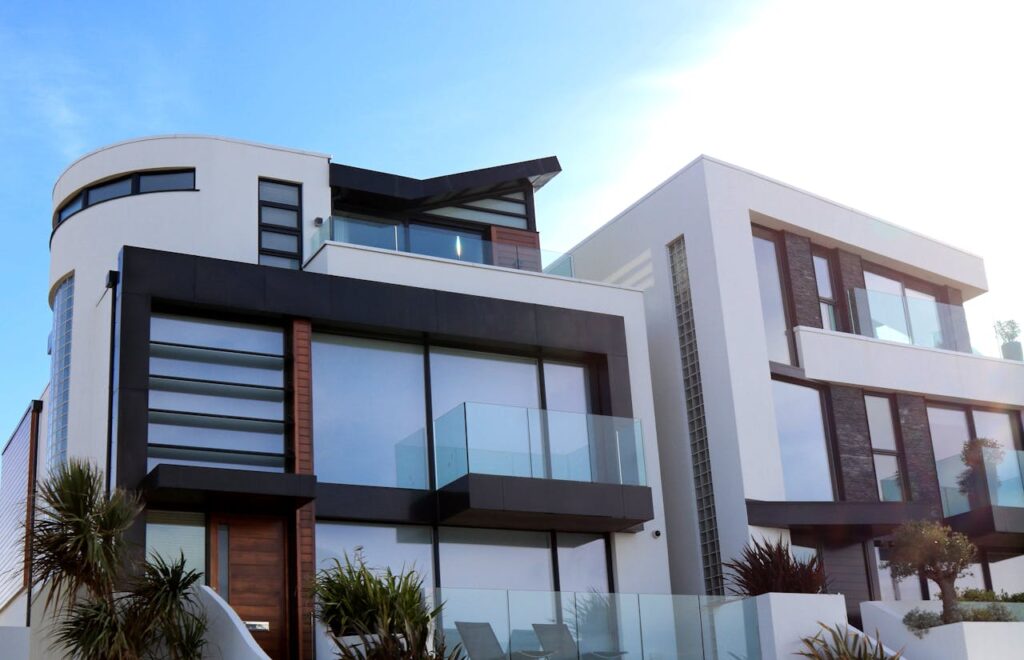
Photo by Expect Best: