Aging might not be something any of us rush toward, but it’s a journey we’re all on, and the truth is, your body will change along the way. That doesn’t mean you have to sit back and accept a life of limitations. In fact, understanding what’s normal and what you can do makes getting older a whole lot less intimidating.
The more realistic your expectations are, the easier it becomes to take control of your health rather than feel like it’s slipping away.
The trick isn’t trying to live like you did at twenty. It’s learning how to support your body as it evolves. Sometimes, this requires adjusting routines or even building a different approach once you’ve hit a certain stage of life.
When you know what to expect, you can stay ahead of the curve. Aging doesn’t have to mean slowing down; it means being smarter about how you look after yourself.
Fitness as a Senior
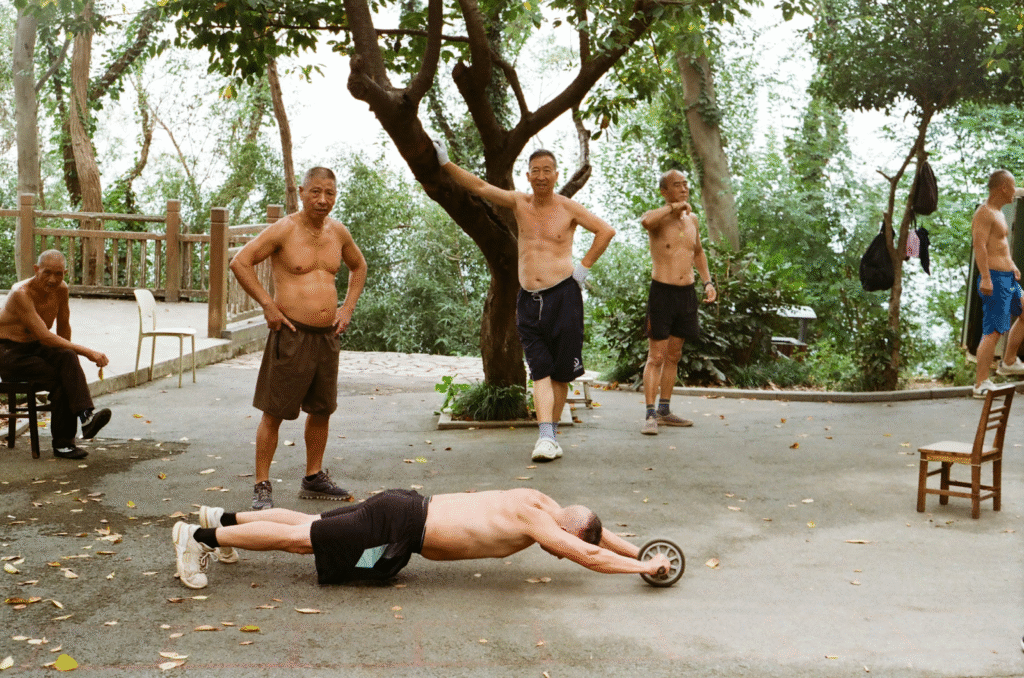
Working out in your later years is all about staying mobile and strong to enjoy life from day to day, just the way you want to. As you age, your exercise priorities need to shift. Forget high-impact routines that used to get your blood pumping, as these can affect your joints. And let’s be honest, recovery times can drag out a lot longer than they used to.
Still, you don’t have to hang up your gym clothes just because you’re getting older. It’s just that exercise needs to get a bit more clever. Strength training, low-impact cardio, stretching exercises, and balance work are priorities for older adults.
Of course, having the right place to work out is a big deal. Not every gym out there is designed with seniors in mind. So taking the time to find a gym that works for you, with supportive staff and equipment that really suits your needs, can make a world of difference.
You’re not out to prove anything. Remember, you’re just building a healthier life that lets you keep doing the things you love for as long as you can.
Health Checkups
Regular medical appointments are something most people try to avoid when they’re younger, but as you age, they shift from a nuisance to a necessity. That’s because your health needs change.
Bear in mind that planning more regular health checkups is no sign that your health is frail. On the contrary, this is about looking after your health and avoiding issues. Ultimately, prevention works better than treatment.
So, what do you want to do for your health?
Screenings for blood pressure, cholesterol, bone density, and heart health help identify changes that might otherwise go unnoticed until they’re much harder to manage.
The same goes for vision and hearing tests, cancer screenings, and routine blood work.
These visits aren’t just about finding something wrong. More often, they confirm that you’re on track and give you peace of mind.
Besides, consistency makes healthcare less intimidating. The more familiar you are with your doctor, the easier it is to ask questions, discuss concerns, and make informed decisions.
Hearing Health
You may notice that conversations in noise environments can get tougher to follow, or that you need to crank up the TV volume to follow what you’re watching. At first, it’s easy to write it off as being tired or just a normal part of aging. In reality, while some changes may be normal, it still deserves all your attention.
It’s true that not everyone will experience trouble with their hearing in old age. But it is a fact that it is very common. Truth be told, this has to do with the inner structure of the ear, the tiny hair cells inside your inner ear. These are responsible for turning sounds into signals that the brain can interpret. However, they can degenerate over time, through years of exposure to loud noises, medications, or simply general wear and tear. When they do, they fail to transmit sound waves to the brain. This is one of the most common and expected age-related hearing changes you can notice. This one is typically gradual.
The key thing to keep in mind is that hearing loss is not a personal failing, or just something you have to put up with. Modern hearing solutions have come a gosh-darn long way and are way more discreet than they used to be. And catching hearing issues early on can make all the difference in the world for your quality of life.

Eye Health
Your eyesight also changes as you age, and some changes are natural and expected. Menus may become more difficult to read, and you may find that you have to hold your phone farther away than usual. If you’ve heard of reading glasses, you know that they are a staple starting from middle age. But why is this?
Long-sightedness, or presbyopia, is a normal phenomenon as the lens in your eye becomes less flexible and can’t accommodate to things that are closer.
Old age also makes you more at risk for certain conditions, such as cataract, glaucoma, and macular degeneration. These can be dangerous, which is why you definitely want to stay on top of your health checkups.
There are plenty of modern treatments and corrective lenses that can help maintain your eyesight and eye health for as long as possible.
Muscle and Bone Health
Did you know that the body tends to lose muscle tissue as it ages? This is a phenomenon that starts happening around menopausal age, in men and women, and carries on further. It is especially visible and noticeable in people who do not maintain regular physical activities.
Similarly, bone density can also decrease with age. While this is more common for women after menopause, it can affect anybody and makes the bones more brittle. While there are treatments available and supportive diets, the easiest way to support skeletal health is through weight-bearing exercises.
In short, some of the health changes your body goes through as you age can be managed through an active lifestyle, without necessarily requiring any medical assistance.
Your health needs will evolve throughout your life. So, it’s important to understand that while the needs you have at an age are different from the ones you had as a teen, it doesn’t necessarily mean that you are unhealthy.