

Table of Contents
- Early Recognition of Conflict Signs
- Fostering Open Communication
- Implementing Effective Mediation Strategies
- Providing Conflict Resolution Training
- Establishing Clear Policies and Procedures
- Promoting a Positive Workplace Culture
- Leveraging External Resources
- Conclusion
Workplace conflicts arise for many reasons, such as misunderstandings, differences in values, or simple miscommunications, which can all lead to friction among team members. Even highly cohesive teams aren’t immune to disputes, and when such disagreements go unresolved, they can seriously undermine productivity and damage morale. Over time, minor issues may escalate, potentially leading to consequences for the organization. Effective managers and supervisors need to be aware of these consequences. Taking a proactive approach to managing conflict by engaging early and constructively is critical for preserving a harmonious work environment. Proactive managers and HR professionals who intervene before tensions escalate significantly reduce the risk of prolonged or disruptive disputes. If you encounter persistent issues or foresee legal implications, consulting with Denver employment lawyers can provide valuable insight into how to approach complex workplace disputes effectively and lawfully.
Building a well-functioning team involves much more than simply completing daily tasks; it requires continuous attention to the dynamics of interpersonal relationships, maintaining open lines of communication, and developing fair and effective conflict-management systems. Leaders who handle workplace frictions swiftly and effectively create resilient organizations and significantly withstand disruptions. By actively encouraging transparency, empathy, and reconciliation, managers help reduce both interpersonal tension and the risk that disputes will spiral into disruptive or litigious matters. According to the Harvard Business Review, fostering robust communication channels is pivotal for mitigating workplace conflict before it occurs. Leadership must model long-term team effectiveness and satisfaction.
Early Recognition of Conflict Signs
Spotting workplace conflict in its early stages allows organizations to intervene before problems worsen and develop into larger issues. Subtle signs such as unusual employee withdrawal, avoidance of specific coworkers, increased sarcasm, or a noticeable drop in collaborative efforts can all be early indicators of brewing conflict. It is essential for effective managers and supervisors to be observant, keeping a close eye on shifts in group dynamics or interpersonal dynamics that could signal unresolved tension. Often, an employee who suddenly becomes disengaged or frustrated is signaling an underlying problem that might require attention. Conducting regular, private check-ins with employees who display such behaviors can clarify the source of their concerns and allow managers to address the root cause directly and professionally. Early intervention can prevent misunderstandings from growing into entrenched disputes and demonstrates to employees that leadership is invested in their well-being and satisfaction at work.
Fostering Open Communication
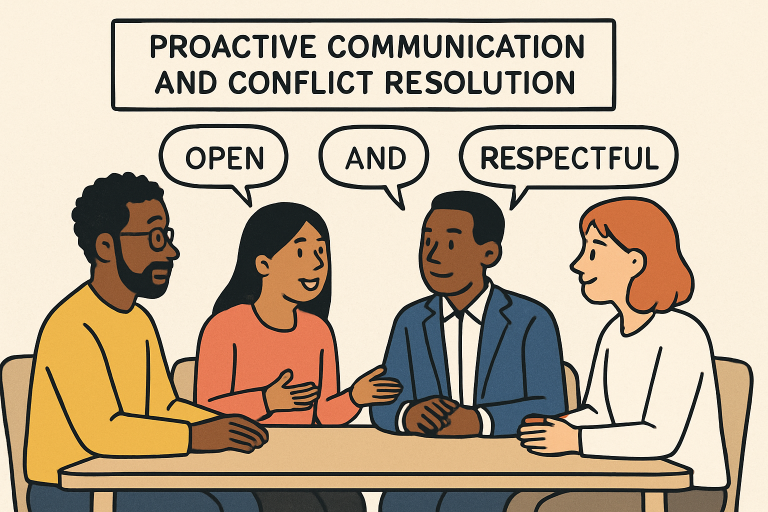
Establishing an environment where employees feel comfortable expressing concerns is imperative for a healthy workplace. Creating space for open dialogue prevents misunderstandings from festering and escalating into major issues. Regular one-to-one meetings, all-hands discussions, and feedback sessions are effective ways to promote openness and build trust. These consistent opportunities for communication reinforce the idea that employees can raise both minor and significant concerns without fear of retaliation, stigma, or negative career repercussions. It is crucial for leadership to model this openness by listening actively, validating employees’ perspectives, and following through on issues brought to their attention. According to the Chartered Institute of Personnel and Development, early and constructive conversations initiated by managers are fundamental in preventing future conflicts. Additionally, organizations may consider anonymous feedback mechanisms, such as suggestion boxes or online forms, to help employees voice their concerns in a way that feels safe and supportive.
Implementing Effective Mediation Strategies
Mediation offers an impartial and structured framework for helping employees in conflict work through their differences, rather than allowing issues to fester. Professional mediators, whether internal HR specialists or external experts, can guide parties through honest, constructive dialogue. The role of the mediator is to facilitate communication, encouraging each individual to articulate their perspective and to listen to one another in a respectful, neutral environment. This process often uncovers shared interests and allows conflicting parties to identify mutually agreeable solutions. Early-stage mediation can dramatically reduce the number of formal grievances or legal complaints, both of which are time-consuming and costly for organizations. A report from the Fair Work Ombudsman illustrates that, in most cases, companies consistently and fairly resolve workplace conflicts before they escalate, resulting in greater satisfaction and higher morale for all participants. By embracing mediation as part of their conflict-management toolkit, organizations foster a culture that values dialogue, empathy, and resolution over blame and escalation.
Providing Conflict Resolution Training
Offering targeted conflict resolution training is a powerful investment in organizational health. These training programs should not be limited to managers; all employees can benefit from developing practical skills to handle disagreements and challenges constructively. Essential conflict-resolution topics include active listening, empathy, calmly asserting needs, practicing negotiation skills, and mastering de-escalation techniques. Practical workshops and role-play scenarios are especially effective in building confidence and competence. Employees who feel equipped to manage interpersonal disagreements autonomously are less likely to rely solely on management or HR for intervention. Moreover, organizations that provide ongoing conflict management training, rather than one-off seminars, reinforce a culture of mutual respect, open problem-solving, and continuous learning. Over time, this commitment to skill-building reduces the frequency and severity of conflict, creating a more supportive and harmonious working environment.
Establishing Clear Policies and Procedures
Clear, accessible policies for reporting and resolving workplace conflicts are fundamental to empowering employees to act when problems arise. Written policies should explain the steps an individual can take and the resources available to them, and outline exactly how grievances will be handled in a consistent and fair manner. By ensuring that procedures are applied consistently to all employees, organizations minimize confusion, misunderstandings, and the perception of favoritism. Well-documented guidelines send a strong signal that the organization is committed to treating all employees equitably and to addressing conflicts promptly and transparently. Regularly reviewing and updating these policies helps ensure they remain relevant, comprehensive, and responsive to the changing needs of employees and the business as a whole.
Promoting a Positive Workplace Culture
Cultivating a collaborative, supportive, and inclusive workplace culture is one of the most effective ways to reduce the incidence and impact of conflict. Recognizing challenges, celebrating achievements, and leading activities that foster trust and camaraderie, and robust diversity and inclusion initiatives all contribute to creating an environment where employees feel respected and valued. When people trust both their colleagues and leaders, they are far more likely to resolve their differences constructively and less likely to engage in behaviors that contribute to escalation. Organizations with a positive culture also find it easier to attract and retain top talent, as Forbes highlights, since employees tend to stay longer and perform better in environments that emphasize well-being, fairness, and collaboration. A healthy workplace culture does not eliminate all conflict, but it does ensure that when disagreements occur, they are addressed swiftly and professionally, ultimately strengthening the fabric of the organization.
Leveraging External Resources
In especially complex or contentious cases, such as those involving alleged discrimination, harassment, or policy violations, seeking outside guidance is often the most prudent course of action. Third-party mediators or qualified employment law experts bring objectivity, impartiality, and specialized knowledge to bear, helping to identify fair and sustainable solutions to particularly challenging disputes. Not only can these external professionals help resolve the immediate conflict, but they may also offer invaluable strategic recommendations for revising company policies or creating additional safeguards, thereby strengthening the overall conflict management framework. Leveraging such resources demonstrates a commitment to fairness and compliance and can reassure employees that their concerns will be handled seriously, even during difficult or ambiguous situations.
Conclusion
Preventing workplace disputes from escalating requires ongoing vigilance, transparent communication, and thoughtfully implemented conflict management strategies. By prioritizing early recognition of conflict signs, maintaining open communication channels, implementing skilled mediation, offering regular training, ensuring robust policies, and cultivating a positive workplace culture, organizations can lay the foundation for a harmonious and productive professional environment. Engaging expert help when needed further supports these efforts. Ultimately, taking these proactive steps helps organizations reduce the frequency and severity of workplace disputes, ensuring that productivity remains high and employees feel valued and understood.
Photo by Antoni Shkraba Studio: