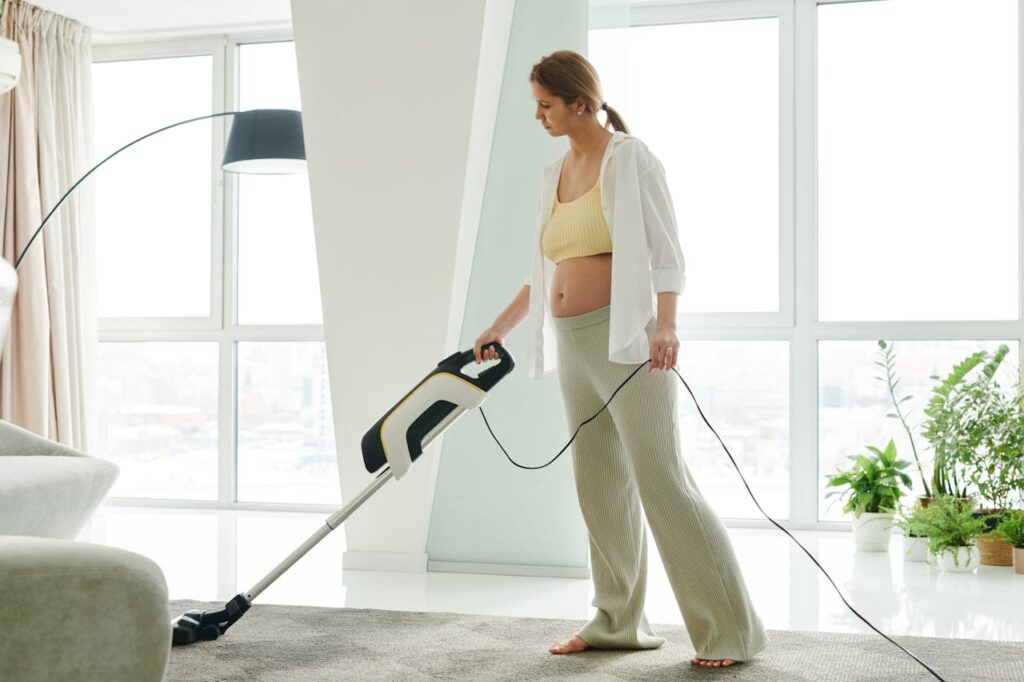
We spend roughly 90% of our lives indoors, which makes the quality of the air we breathe at home a cornerstone of our health and well-being. Here’s something that might surprise you: everyday cleaning activities—including the use of a vacuum cleaner—can actually stir up particles and microorganisms into the very air we’re trying to purify, even while they’re removing visible dust and allergens from our floors and furniture. By understanding how our cleaning habits affect indoor environments and adopting science-backed strategies, we can minimize these unintended consequences while keeping our homes properly sanitized.
Understanding the Cleaning Paradox
Indoor air quality (IAQ) includes measurable elements like particulate matter, volatile organic compounds, and biological aerosols floating through our living spaces. While cleaning is absolutely necessary for a healthy home, it creates an interesting contradiction: the process of eliminating contaminants from surfaces can launch them directly into the air we breathe.
When we clean, bioaerosol emission takes place—essentially the release of bacteria, mold spores, and other microorganisms that had been quietly settled on surfaces throughout our homes. Research reveals that household dust harbors an impressive variety of microbial life, with bacterial and mold concentrations sometimes reaching up to 10^7 cell equivalents per gram. Some dust samples even harbor antibiotic resistance genes, pointing to emerging health concerns that go well beyond the traditional allergens we’re used to worrying about.
The particles that get kicked up during cleaning come in dramatically different sizes, ranging from ultrafine particles smaller than 100 nanometers to much larger ones measuring 0.54–20 micrometers. These varying particle sizes affect how deeply they can penetrate our respiratory systems, with the smallest particles capable of reaching far into lung tissue. What’s particularly interesting is that emission rates depend much more heavily on the type, age, and condition of cleaning equipment than on how much dust is actually present.
Health Implications of Cleaning-Related Air Quality Changes
When airborne particles and bioaerosols temporarily spike during cleaning sessions, they can trigger respiratory irritation and allergic sensitization, especially in people who are more vulnerable—children, older adults, those with compromised immune systems, and anyone living with asthma. While there’s a real possibility of infection transmission through aerosolized pathogenic bacteria like Salmonella or Clostridium species, following proper cleaning practices can dramatically reduce this risk.
Even when cleaning equipment incorporates UV-C technology that kills microbes, the allergenic properties of particles can stick around. This means people who are sensitive to dust mites, pet dander, or other common household allergens might still have reactions despite using advanced cleaning technology.
Understanding the difference between short-term exposure during cleaning sessions and long-term cumulative exposure is essential for grasping the real health impacts. Brief exposure to elevated particle levels is typically manageable for healthy people, but repeated exposure without proper protective measures could contribute to respiratory sensitization over time.
Strategies to Minimize Negative Air Quality Impacts
Equipment maintenance stands out as the single most important factor in reducing harmful emissions. Staying on top of filter replacements and dust bag changes makes a substantial difference in performance, since the age and condition of equipment directly influence emission rates. Well-maintained cleaning equipment generally performs much better, though there’s still considerable variation across different models and brands.
Smart timing and ventilation practices provide powerful protection for indoor air quality. Planning cleaning activities when household members can step out temporarily, combined with opening windows and running mechanical ventilation during and after cleaning, gives airborne particles time to settle or disperse before people return to those spaces.
Additional cleaning methods can work alongside traditional approaches. Damp dusting traps particles instead of scattering them around, while HEPA-filtered air purifiers can accelerate the clearing of airborne contaminants. That said, no single approach eliminates every risk, which is why a comprehensive strategy works best.
Practical Takeaways for Homeowners
The aim isn’t to stop cleaning altogether but to clean smartly, finding the right balance between hygiene needs and indoor air quality concerns. Key strategies include:
• Keep cleaning equipment in top shape through regular filter and bag replacement
• Ventilate actively by opening windows and running fans during cleaning sessions
• Plan cleaning strategically when sensitive household members can be elsewhere
• Tailor your approach to household-specific needs like allergies or respiratory conditions
Cleaning remains absolutely essential for our health, but being aware of its air quality impacts allows us to develop better practices. When we approach cleaning as a health practice that deserves thoughtful execution, we can maintain spotless environments while protecting the air we breathe. The research makes it clear: mindful cleaning practices that account for temporary air quality disruptions offer the most effective path to achieving both surface cleanliness and respiratory health.
Photo by Matilda Wormwood: