March is Women’s History Month. It is a time to celebrate women — their courage, their strength, and the amazing things they do in the world.
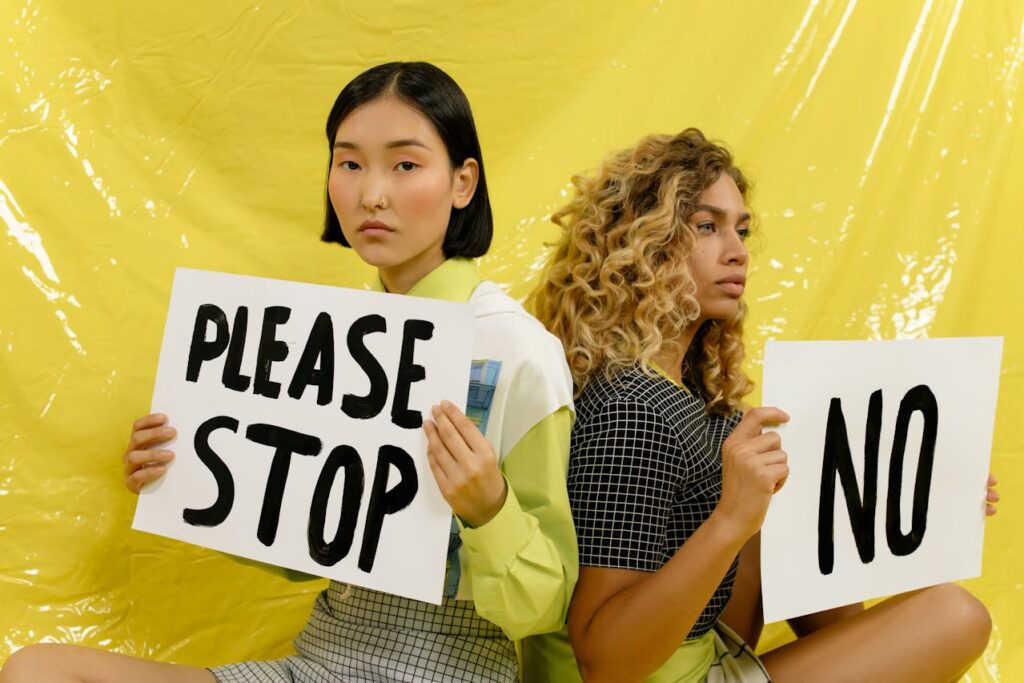
Photo by cottonbro studio
But it is also a good time to talk about something very important: keeping women and girls safe.
One danger that still exists today is called human trafficking.
Human trafficking means when someone tricks, forces, or controls another person so they can use them for money or power. It is very wrong and it hurts many people around the world.
Sometimes traffickers pretend to be kind or helpful at first. They may promise jobs, money, travel, or love. But their real goal is to control someone.
Recently, many people have been talking about cases like Jeffrey Epstein, which reminded the world how important it is to protect young women and girls from people who want to harm them.
The good news is that learning the warning signs can help protect people.
At Pump It Up Magazine, we believe that when people understand the danger signs, they can help keep themselves and others safe.
Here are 8 important red flags everyone should know.
8 Red Flags of Human Trafficking
1. Someone Controls Where You Go
Everyone should be free to go where they want.
If someone says a person cannot leave, cannot talk to others, or must ask permission for everything, that can be a warning sign.
2. Someone Takes Away Important Documents
If a person’s passport, ID, or phone is taken away, they may feel trapped and unable to ask for help.
3. Promises That Sound Too Good
Sometimes traffickers promise things like:
• A dream job
• A modeling career
• A free trip
• Easy money
If something sounds too perfect, it is always smart to check if it is real.
4. A Person Looks Very Scared
Someone who is being controlled may look:
• Very nervous
• Afraid to speak
• Unable to answer simple questions
Fear can be a big warning sign.
5. Signs of Hurt or Injury
If someone has bruises, injuries, or looks neglected, it may mean they are being hurt or forced to do things against their will.
6. Unsafe Living or Working Conditions
Trafficking victims are sometimes forced to live in places that are:
• Dirty
• Overcrowded
• Unsafe
They may also be forced to work very long hours.
7. They Have No Personal Things
A person who has no clothes, no money, or no personal belongings may be under someone else’s control.
8. Someone Else Always Speaks for Them
If another person answers every question for them, it can mean the person is not allowed to speak freely.
How Traffickers Manipulate People
Many traffickers do not start with violence. Instead, they start with manipulation.
Manipulation means tricking someone’s feelings or trust.
Some examples include:
• Pretending to be a boyfriend or friend
• Giving gifts or lots of attention quickly
• Promising jobs or success
• Asking someone to keep secrets from family
Teaching girls to trust their instincts and ask questions can help protect them.
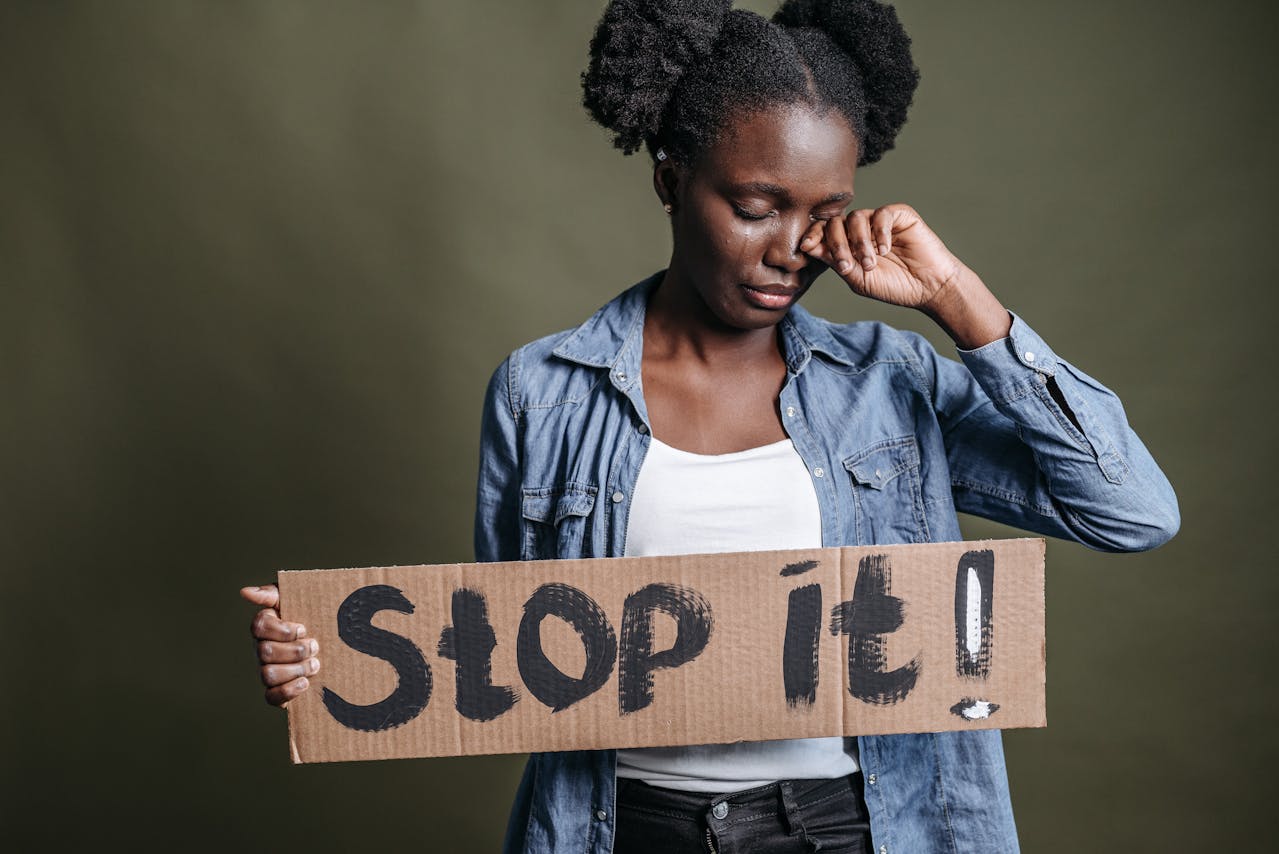
Photo by Pavel Danilyuk
The Mental Health Impact of Human Trafficking
Human trafficking is not only a physical crime — it also causes deep and lasting mental health trauma for many victims. Survivors of human trafficking often experience serious emotional and psychological effects long after the situation has ended. These can include anxiety, depression, post-traumatic stress, fear, shame, and feelings of isolation.
Traffickers frequently rely on psychological manipulation and emotional control to maintain power over their victims. Tactics such as intimidation, threats, love-bombing, false promises, and emotional pressure are commonly used to create dependency. Over time, these methods can make victims feel trapped, powerless, and unable to trust others.
The emotional toll of trafficking can be extremely difficult to overcome. Many survivors struggle with rebuilding their confidence, forming healthy relationships, and regaining a sense of personal safety. For this reason, mental health support plays a critical role in recovery.
Access to trauma-informed counseling, safe housing, and supportive communities can help survivors begin the healing process. Therapy and emotional support programs are often essential in helping individuals process their experiences, rebuild self-esteem, and restore a sense of control over their lives.
Raising awareness about the mental health impact of human trafficking is an important step toward protecting vulnerable individuals and supporting survivors. Readers who want to learn more about emotional well-being and recovery can explore additional resources in our Mental Health and Wellness section.
At Pump It Up Magazine, we believe that addressing both physical safety and mental well-being is essential in the fight against human trafficking. By educating readers, encouraging open conversations about trauma, and supporting survivor resources, we can help create a safer and more compassionate world.
Supporting Emotional Healing and Trauma Recovery
Healing from trauma takes time, compassion, and the right support system. Survivors of difficult experiences, including human trafficking or emotional abuse, often benefit from a combination of professional counseling, safe community environments, and wellness practices that help calm the nervous system.
Some people also explore holistic approaches such as mindfulness, breathing exercises, meditation, and natural wellness tools that support relaxation and emotional balance. For readers interested in gentle wellness resources designed to promote relaxation and emotional well-being, you can explore helpful guides and products at West End Organix
These types of wellness practices are not a replacement for professional mental health care, but they can complement a healthy recovery journey by helping individuals reconnect with their bodies, reduce stress, and support emotional healing.
Safety Tips for Women and Girls
These simple habits can help people stay safe.
Stay connected
Always tell a trusted person where you are going.
Check job offers
Make sure companies and opportunities are real.
Protect personal documents
Never give your ID or passport to someone you do not trust.
Be careful online
Not everyone on the internet is who they say they are.
Trust your feelings
If something feels wrong, it is important to leave and ask for help.
What To Do If You Think Someone Needs Help
If someone believes a person may be in danger, it is important to contact trained professionals.
In the United States you can contact the National Human Trafficking Hotline.
📞 1-888-373-7888
📱 Text HELP to 233733
They are available 24 hours a day and can help safely.
More information:
https://humantraffickinghotline.org/
Awareness Can Save Lives
Human trafficking often hides in plain sight. Many victims feel alone and afraid.
But when people learn the warning signs and share knowledge, they can help protect others.
During Women’s History Month, we celebrate women’s strength and achievements. But we also remember that protecting women and girls is something everyone can help with.
At Pump It Up Magazine, we believe that awareness, compassion, and courage can make the world safer for everyone.
FAQ: Human Trafficking Awareness
What is human trafficking?
Human trafficking is when someone tricks, forces, or controls another person so they can use them for money or power. It is a form of modern slavery and it happens in many countries around the world.
Why are women and girls often targeted?
Women and girls are sometimes targeted because traffickers think they may be easier to manipulate or control. Traffickers often use lies, fake job offers, or pretend relationships to gain trust.
What are the most common red flags of human trafficking?
Some warning signs include:
• A person not being free to leave
• Someone else controlling their phone or documents
• Fearful or nervous behavior
• Signs of physical abuse
• Poor living or working conditions
• Someone speaking for them all the time
These signs may indicate that someone is being controlled.
How can women and girls protect themselves?
Women and girls can protect themselves by:
• Verifying job offers before accepting them
• Not sharing personal documents with strangers
• Staying connected with family or trusted friends
• Being careful with people met online
• Trusting their instincts if something feels wrong
What should someone do if they suspect human trafficking?
If someone believes a person may be in danger, they should contact trained professionals rather than confronting the situation directly.
In the United States, you can contact the National Human Trafficking Hotline at 1-888-373-7888 or text HELP to 233733.
Why is human trafficking being discussed more recently?
Public conversations about trafficking increased after high-profile cases like Jeffrey Epstein, which brought attention to how exploitation networks can operate for years without being noticed.
These discussions have encouraged more people to learn about warning signs and prevention.
Why is awareness important?
Awareness helps people recognize warning signs, protect vulnerable individuals, and report suspicious situations. When communities are informed, it becomes harder for traffickers to operate unnoticed.
Why is this topic important during Women’s History Month?
Women’s History Month celebrates women’s achievements, but it is also a time to support and protect women and girls. Raising awareness about human trafficking helps create safer communities and empowers women with knowledge.