
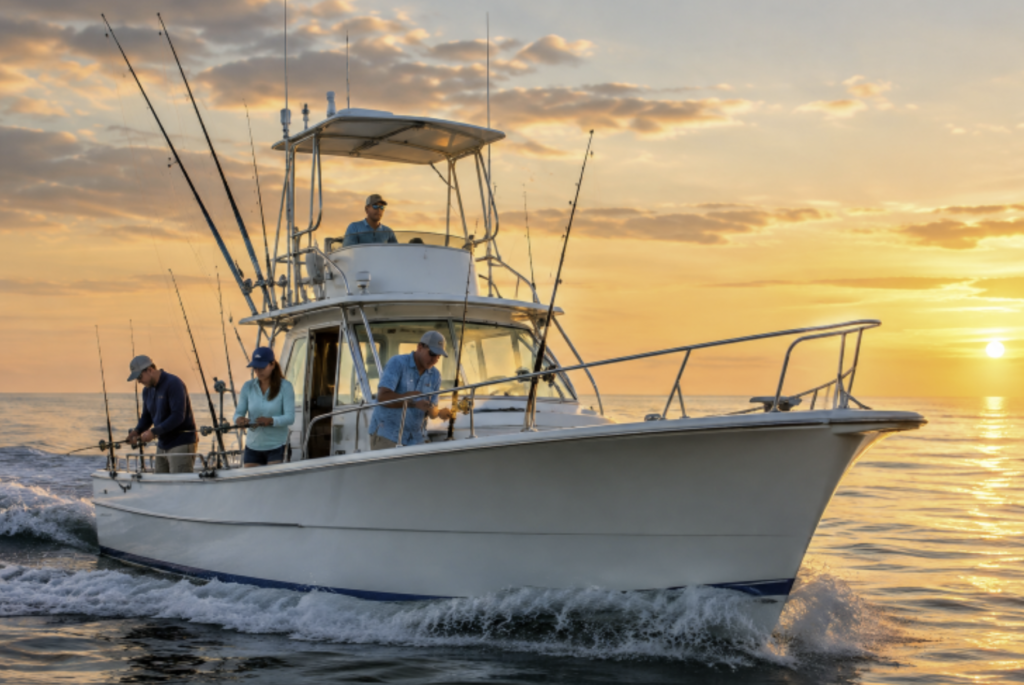
An offshore fishing trip can be a memorable day for beginners, families, and seasoned anglers, but success starts well before the boat leaves the dock. Whether you are comparing private offshore fishing charters or joining a shared outing, thoughtful planning helps you choose a trip that matches your group, comfort level, and goals. It also gives everyone time to align expectations. One guest may be most interested in catching dinner, while another may care more about seeing open water, learning new techniques, or giving a child a first fishing experience. Talking through those priorities before booking can make it easier to select the right charter and avoid disappointment later.
Weather, travel distance, target species, equipment, and fishing regulations can all shape the experience. Preparation cannot guarantee a catch, because fishing conditions change, but it can help everyone stay safer, more comfortable, and ready to enjoy the day.
Key Takeaways
- Choose a fishing trip that matches your group’s experience, goals, schedule, and comfort level.
- Consider trip length, nearshore or offshore conditions, and whether a private or shared charter fits your group.
- Check weather and sea conditions before departure and remain flexible if the captain changes the plan.
- Research the captain, vessel, trip details, cancellation policy, included equipment, and passenger requirements.
- Pack suitable clothing, non-slip shoes, sunscreen, water, food, and other personal essentials.
- Listen to the safety briefing and follow crew instructions when moving around the boat or handling fishing equipment.
- Review current fishing regulations, licensing requirements, size limits, and species restrictions before the trip.
- Handle and release fish responsibly, and ask about cleaning, storage, and transportation arrangements.
Why Planning Matters Before an Offshore Trip
Offshore fishing is more involved than picking a date and showing up with a cooler. The ride may be long, the water can be rougher farther from shore, and the crew may adjust locations based on wind, waves, bait activity, or fish movement. A flexible group has a better chance of enjoying the day when the captain changes the route or shifts from one target species to another. Planning also helps guests prepare for the day’s pace. There may be extended periods of travel, setup, waiting, and moving between spots before the action begins. Knowing that those quieter periods are normal can help first-time anglers stay engaged and appreciate the crew’s work in locating fish. For example, a group hoping to troll for pelagic fish may find that sea conditions favor bottom fishing closer to port. That does not make the trip unsuccessful. It means the plan responded to conditions rather than forcing an unsafe or unproductive choice.
Choose the Right Type of Trip
Match the trip length to your group
- Short trips can work well for families, first-time anglers, and visitors with limited time.
- Full-day trips allow more time for travel, searching, and fishing in multiple areas.
- Private trips give groups more control over pace, priorities, and who is on board.
- Shared trips may suit solo anglers or smaller parties looking to spread costs with other guests.
Ask whether the outing is nearshore or offshore. Nearshore trips generally involve shorter runs and may be more manageable for people who are unsure about motion sickness. Offshore trips can require more travel time and greater tolerance for changing sea conditions, but they may offer access to different habitats and species. When comparing options, consider the ages and experience levels of everyone in the group. A shorter trip with frequent opportunities to participate may be a better introduction for young anglers than a longer outing focused on covering distance. Experienced anglers, on the other hand, may prefer to spend additional time trying several methods or locations.
Match Timing With Weather and Fish Activity
Seasonal fishing patterns are useful starting points, but they are not promises. Water temperature, currents, bait presence, wind, swell, visibility, and recent weather can all influence where fish are found and how a boat can safely operate. Check the marine forecast close to departure, and be prepared for the captain to revise the plan on the water. Rain alone does not always end a trip, but lightning, unsafe wind, or unfavorable seas may require a delay, cancellation, or shorter route. Treat a change in weather as part of the offshore experience, not as a failure of the trip. It is helpful to separate a general weather forecast from the actual decision to operate the boat. The captain can assess local conditions, the vessel, and the planned route in ways guests cannot from shore. If a departure time changes, confirm the updated meeting instructions so no one arrives late or misses important information.
Research the Captain and Vessel
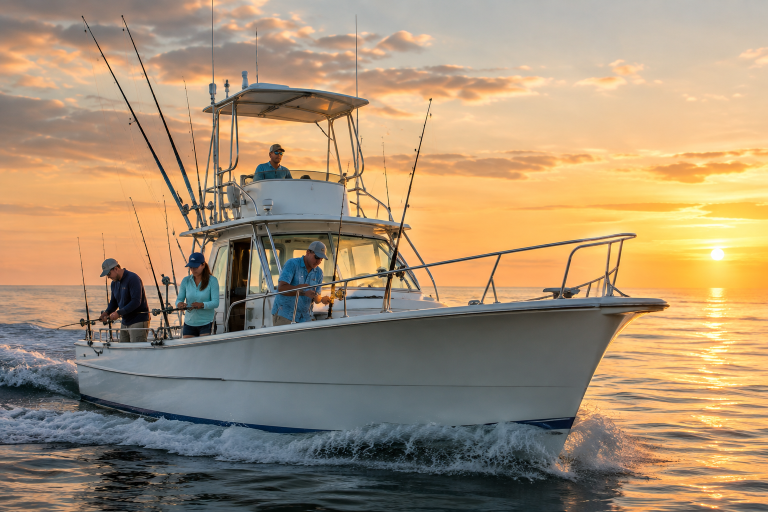
A responsible operation should provide clear details about departure location, trip duration, passenger capacity, included gear, and what happens if the weather disrupts the booking. Read reviews for recurring themes, such as communication, crew professionalism, cleanliness, and whether beginners received useful instruction. Before paying a deposit, confirm the cancellation policy, fish-cleaning arrangements, expected gratuity practices, and any limits involving age, mobility, or medical needs. The right boat is not simply the largest or cheapest option. It is the one that fits the planned route and the people aboard. Clear communication before the trip is often a useful sign. A charter should clearly explain where to meet, when to arrive, how payment is handled, and what guests should expect upon returning to the dock. Save the captain’s or booking contact’s information, especially if your group is unfamiliar with the marina or expects traffic delays.
Questions to Ask Before Booking
- Which species are realistic during the selected month?
- How long is the typical run before fishing begins?
- Are rods, tackle, bait, fuel, and licenses included?
- What should each guest bring?
- What is the policy if the weather becomes unsafe?
- Are children and first-time anglers welcome?
- How will legal fish be cleaned, stored, and transported?
- Should the crew know about allergies, mobility limits, or medical concerns?
Consider asking how much shade, seating, and restroom access are available as well. These details may seem minor during the booking process, but they can have a major effect on comfort during a long day on the water.
Pack the Right Personal Gear
- Wear light layers that can handle wind, spray, and changing temperatures.
- Choose closed-toe, non-slip shoes instead of sandals or smooth-soled footwear.
- Bring polarized sunglasses, sunscreen, a hat, water, and easy-to-eat food.
- Pack motion-sickness medication ahead of time if appropriate, following the product label or medical advice.
- Keep identification, medication, and electronics in a waterproof pouch.
- Leave bulky coolers and loose gear at home unless the captain approves them.
Use sunscreen before boarding, and reapply it as needed during the day. Sun exposure can feel stronger on open water because light reflects from the surface, while wind may make it less obvious that you are getting too much sun. A lightweight long-sleeve shirt can provide additional coverage without adding much bulk.
Follow Simple Offshore Safety Basics
Every passenger should listen closely to the pre-departure briefing. The U.S. Coast Guard’s recreational boating guidance emphasizes practical preparedness, including understanding safety equipment and making responsible decisions on the water.
- Know where life jackets and emergency equipment are located.
- Keep walkways clear, hold on while the boat is moving, and follow crew directions.
- Use care around hooks, knives, sinkers, gaffs, and moving fishing lines.
- Keep children close, especially during travel and active fishing.
- Limit alcohol, which can impair balance, judgment, and reaction time.
- Tell the crew about medical needs, swimming concerns, allergies, or mobility limitations.
Check Current Fishing Rules
Fishing rules can change by location, species, season, and whether the boat is in state or federal waters. Before departure, review the applicable recreational fishing information for the Southeast if your trip is in that region, then confirm the exact rules with the captain and the relevant state agency. Ask who provides required licenses, what bag and size limits apply, and how protected species must be handled. Even when a charter manages licensing, each angler benefits from understanding what may be kept and what must be released.
Handle the Catch Responsibly
Keep only legal fish that you intend to use, and release unwanted or prohibited fish as quickly and carefully as possible. Wet hands before touching fish when practical, support larger fish properly, and avoid unnecessary handling. For sharks, billfish, and other powerful species, follow crew instructions closely rather than attempting a photo or release on your own terms. If you plan to take fish home, ask in advance how it will be packaged and how soon it should be chilled. Bring an appropriate cooler only if the captain recommends one, and make a plan for transporting the catch after the trip. Responsible handling continues after leaving the dock and helps preserve the quality of the fish you keep.
What to Expect on Trip Day
- Arrive early enough to park, check in, and organize your essentials.
- Listen to the safety briefing and ask questions before departure.
- Keep personal gear contained so the deck remains clear.
- Follow instructions when baiting hooks, moving around, and fighting fish.
- Stay patient if the crew changes locations or techniques.
- Confirm fish-cleaning, storage, and pickup details before returning to shore.
Common Planning Mistakes to Avoid
- Booking based only on the lowest advertised price.
- Expecting one specific fish to be available every day.
- Ignoring the length of the boat ride.
- Waiting until departure morning to address motion sickness.
- Bringing excessive loose gear onto a working deck.
- Failing to read weather and cancellation policies.
- Judging the entire trip only by the final fish count.
A Simple Planning Checklist
- Choose a primary goal, such as family time, fresh fish, or a specific style of fishing.
- Select a trip length that fits the group’s schedule and comfort level.
- Confirm what the price includes and what you need to bring.
- Review the forecast, cancellation policy, and current fishing rules.
- Pack sun protection, water, suitable clothing, food, and approved medication.
- Share relevant medical or mobility concerns before departure.
- Arrive early, stay flexible, and follow crew instructions.
Final Thoughts
The best offshore fishing trips begin with realistic expectations and practical preparation. Before heading out, choose a trip that matches your experience level, preferred fishing style, available time, and comfort on the water. Wear appropriate clothing, bring essential personal items, follow the crew’s safety instructions, and check current fishing regulations, seasonal restrictions, and licensing requirements when applicable. Weather and sea conditions can change, so it is important to remain flexible and allow the captain to adjust the route, timing, or fishing location as needed. Staying hydrated, protecting yourself from the sun, and knowing what to expect during a longer trip can also make the experience more comfortable. Catching fish is exciting, but a successful day is not measured only by the size or number of fish caught. Returning safely, enjoying the time on the water, learning more about offshore fishing, and coming home with good memories and greater confidence can make the trip worthwhile, whether the fish are biting or not.