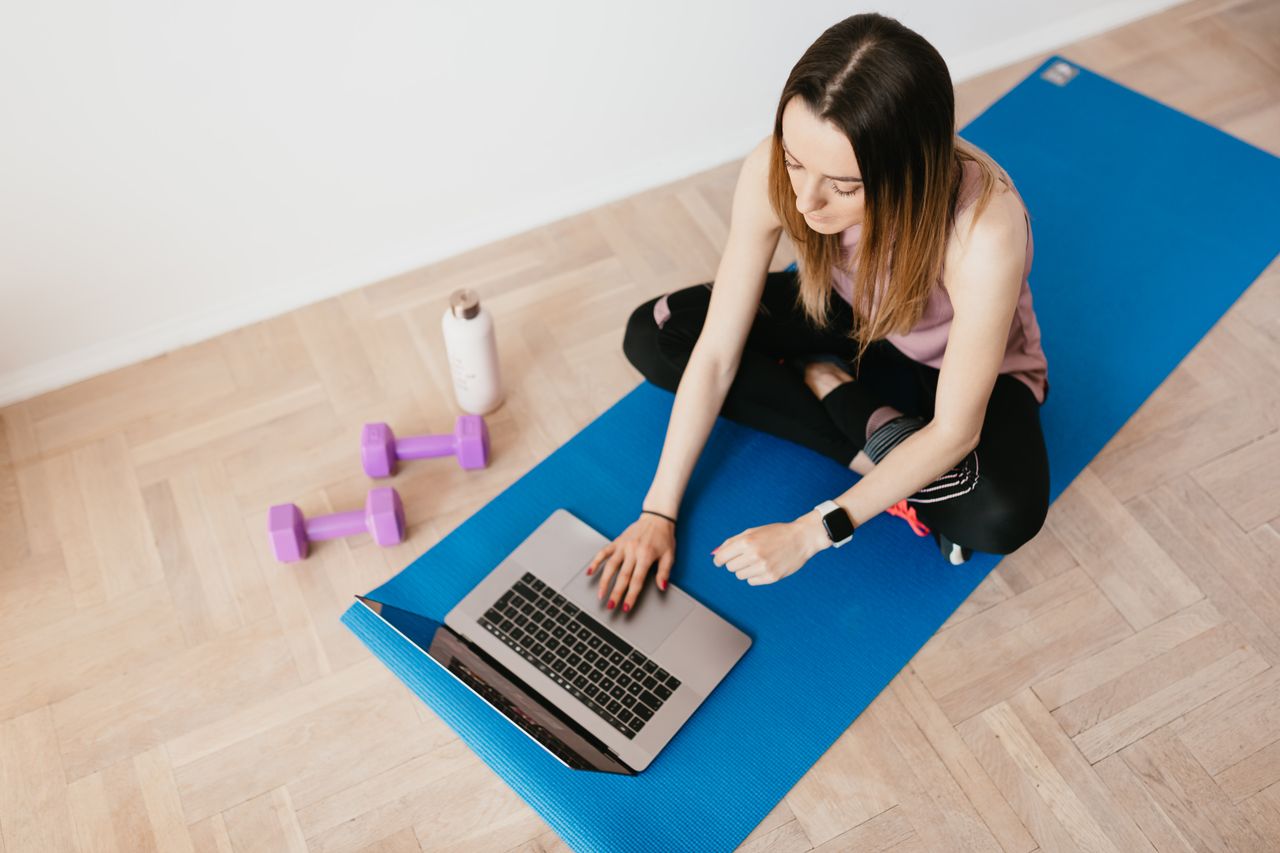
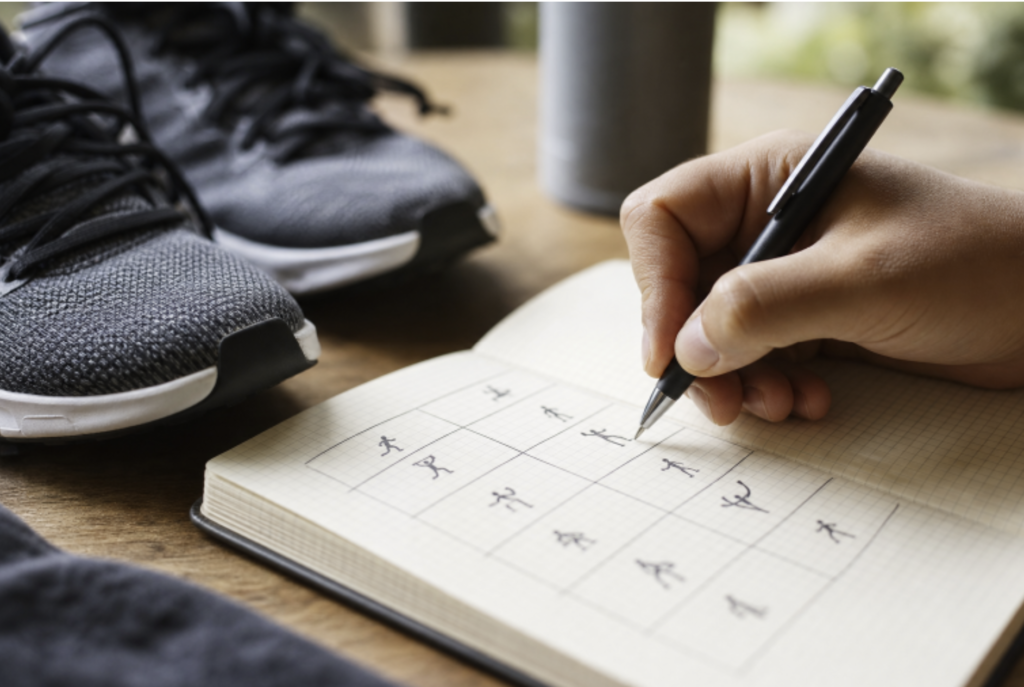
In Los Angeles, California, a fitness routine has to work around commutes, changing work hours, family responsibilities, and the simple reality that motivation is not the same every day. A sustainable plan is not built on perfect weeks. It is built on repeatable actions that still make sense when life gets busy. For people who want help matching workouts to their goals, schedule, and current ability, personal training can provide structure without requiring an extreme approach.
The goal is not to train as much as possible. It is to create a routine that supports strength, stamina, comfortable movement, and confidence over time. Whether your preferred activity is walking a local neighborhood, lifting at home, cycling, or using a gym near work, consistency matters more than chasing a complicated plan.
Key Takeaways
- A useful fitness routine should fit your actual schedule, energy level, goals, and experience.
- Consistency usually produces better long-term results than occasional exhausting workouts.
- A balanced week can include strength training, cardio, mobility work, and rest.
- General adult activity guidance includes at least 150 minutes of moderate activity per week and muscle-strengthening activity on two or more days. The weekly activity recommendations for adults offer a practical reference point.
- Progress can include improvements in strength, stamina, balance, energy, sleep, and daily functioning, not just a number on the scale.
- A flexible plan is more likely to survive travel, deadlines, stress, and missed workouts.
Why Many Fitness Plans Stop Working
Many routines fail because they start at a level that is impossible to maintain. A person may attempt daily workouts, strict dietary rules, and intense cardio all at once, only to feel overly sore, tired, or discouraged within a few weeks. Missing one session can then turn into abandoning the plan entirely.
Instead, build around real life. A routine that includes two dependable workouts is more valuable than a five-day schedule that only happens during unusually calm weeks. Start with what you can repeat, then expand when that foundation feels normal.
Start With a Clear and Useful Goal
“Get fit” is a positive intention, but it does not tell you what to do on Tuesday afternoon. Turn broad goals into actions you can see and measure. Your goal might be to complete two strength sessions each week, walk for 25 minutes four days per week, improve balance, or add a few repetitions to a selected exercise over several weeks.
Useful goals often focus on daily life: carrying groceries more comfortably, climbing stairs with less effort, improving posture while working at a desk, or having more energy for weekend activities around Los Angeles. Choose one main priority first, so your routine has a clear purpose.
Choose a Weekly Structure You Can Repeat
A simple schedule removes guesswork and makes exercise easier to fit into a crowded calendar. The federal Physical Activity Guidelines for Americans provide evidence-based guidance, but you do not need to reach every target immediately. Begin below your eventual goal if needed and build gradually.
A Simple Three-Day Plan
- Day one: Full-body strength training.
- Day two: Brisk walking, cycling, swimming, or another moderate cardio activity.
- Day three: Full-body strength training followed by mobility work.
A Flexible Five-Day Plan
- Day one: Strength training.
- Day two: Moderate cardio.
- Day three: Mobility, balance, and light core work.
- Day four: Strength training.
- Day five: A walk, bike ride, swim, or favorite recreational activity.
Rest days can go wherever they best fit your recovery and schedule. Light movement, such as an easy walk or gentle stretching, can also be useful on days without a formal workout.
Build Around Main Movement Patterns
Strength sessions do not need dozens of exercises. Focus on movement patterns that support everyday tasks: squatting to sit and stand, hinging to pick something up, pushing, pulling, carrying, bracing the trunk, and practicing balance. These movements can be trained with body weight, resistance bands, machines, free weights, or carefully chosen household items.
Use versions that match your current ability. For example, a chair squat can be a starting point before a bodyweight squat, and an incline push-up can come before a floor push-up. Safe technique and gradual progression matter more than using a specific piece of equipment.
Balance Strength, Cardio, and Mobility
Strength training supports muscle, stability, and daily function. Cardio builds stamina and can make activities such as walking through a large parking area, taking stairs, or keeping up with a busy day feel more manageable. Mobility work helps you move through useful ranges of motion, while balance exercises can improve control during standing and direction changes.
A well-rounded routine does not require long separate sessions for every category. Strength training can include balance and bracing. A walk can become cardio. Five to ten minutes of mobility after a workout can be enough to establish a regular habit.
Make Fitness Work During Busy Los Angeles Weeks
- Schedule workouts at times that already fit your normal routine.
- Keep shoes, clothing, water, and basic equipment easily accessible.
- Attach movement to an existing habit, such as lunch, a work break, or arriving home.
- Use a shorter session when traffic, overtime, or family obligations disrupt the day.
- Create a no-gym backup workout for travel or low-energy days.
Use a Three-Level Plan for Difficult Weeks
Create a full plan, a short plan, and a minimum plan. Your full plan may be two 45-minute strength workouts and several walks. Your short plan may be 20 minutes with three basic exercises. Your minimum plan may be a brief walk, mobility session, or one round of bodyweight movements.
The minimum plan is not a failure. It keeps the routine active and reduces the pressure to “start over” next Monday.
Support Training With Nutrition, Recovery, and Tracking
Support exercise with regular meals that include protein, fruits, vegetables, whole grains, and other nutrient-dense foods. Drink fluids throughout the day, avoid treating food as a reward or punishment, and protect a regular sleep schedule when possible. Rest days are part of training because they help manage fatigue.
Track more than body weight. Record repetitions, resistance used, walking duration, balance, range of motion, energy, sleep, and how daily tasks feel. Review trends every three to four weeks rather than judging the plan after one workout or one weigh-in.
Common Mistakes to Avoid
- Changing your entire lifestyle overnight.
- Copying a routine designed for someone with different goals or experience.
- Increasing weight, speed, or workout volume too quickly.
- Ignoring pain, dizziness, or unusual symptoms.
- Measuring success only by appearance.
- Replace a missed workout with an exhausting make-up session.
Frequently Asked Questions
How Many Days Per Week Should Someone Exercise?
Two or three structured sessions per week can be a practical starting point. The right amount depends on your goals, recovery, schedule, and current fitness level.
Can You Build a Routine Without a Gym?
Yes. Walking, stairs, cycling, bodyweight exercises, resistance bands, and outdoor recreation can all support a useful routine.
What Should You Do After Missing a Workout?
Return to the next planned session. Do not double the workload or treat one missed day as evidence that the routine has failed.
When Is Extra Guidance Helpful?
Consider qualified guidance if the technique feels uncertain, an old injury affects movement, a medical condition needs consideration, or accountability would make training easier. Anyone with recent injuries, concerning symptoms, or health questions should consult an appropriate health professional before making major changes to their exercise routine.
Conclusion
A sustainable fitness routine in Los Angeles does not need to be intense, expensive, or complicated. Build clear goals, choose a repeatable weekly structure, train the main movement patterns, and keep a smaller backup plan for difficult weeks. When your routine can adapt to real life, it has a much better chance of becoming a lasting habit.