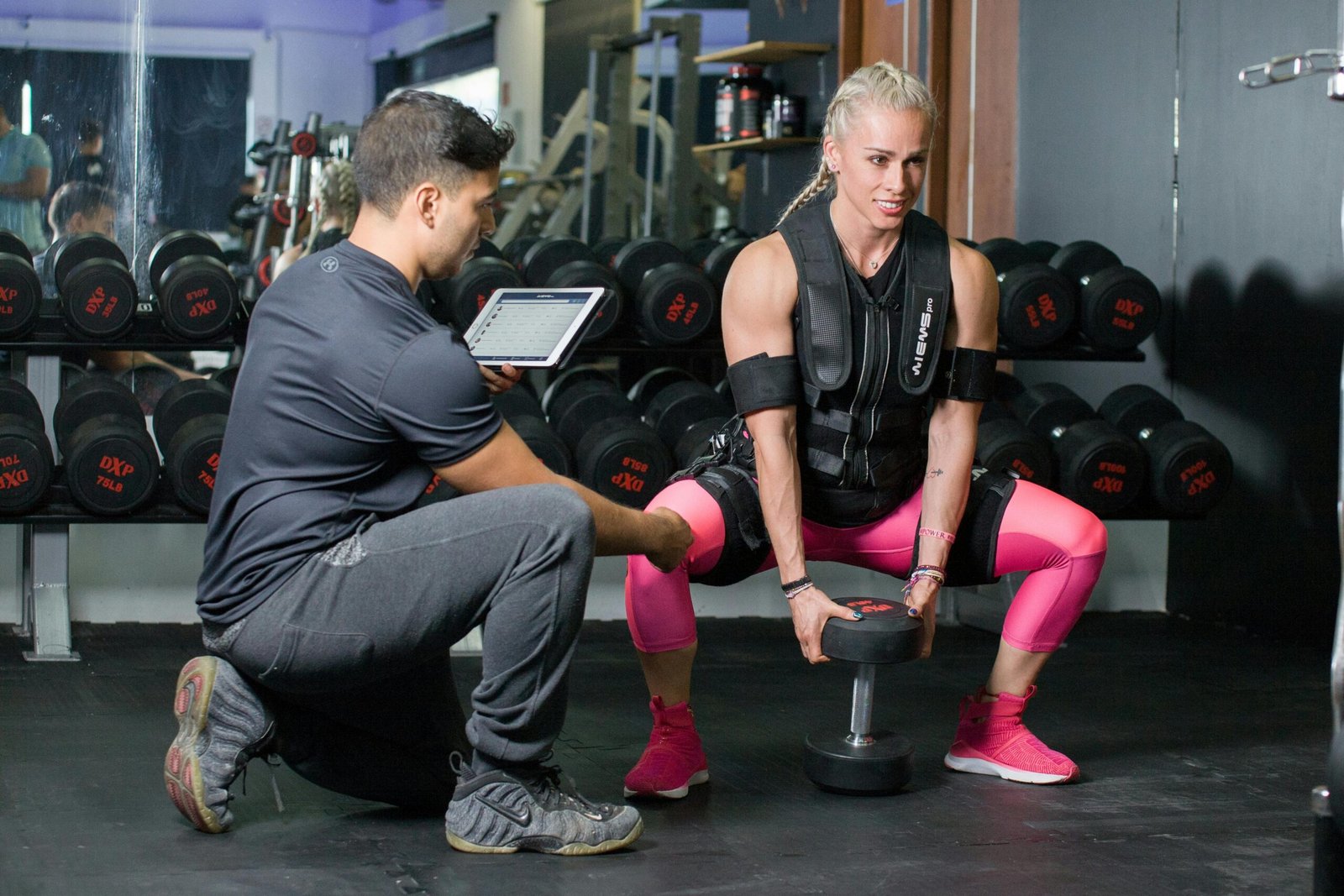

The protection of your joints is something you don’t want to dismiss or ignore when it comes to working out. Whether you’re dedicated to the gym or take part in a local sports club, protection of joints is something you want to do from day one.
There’s a common male mindset of needing to push through the pain until a joint eventually gives out, and that attitude is not healthy for the body’s longevity and performance.
Men will often prioritise muscle growth and high-intensity output, while ignoring the problems to cartilage and ligaments that are supporting those movements.
Joint wear and tear can accelerate after the age of 30, making proactive care more essential for lifelong fitness. Protecting your joints doesn’t mean slowing down by any means. It requires you to shift to smarter and biomechanically sound training methods.
Here are some of the ways that can help protect your joints whilst also staying active.

Rethink the Warm-Up
It is often the case that many people who go to the gym will skip a warm-up. However, skipping a warm-up entirely is one that can really do damage to the body during the workout, and it can slow down the recovery afterwards.
Relying on static stretching before heavy lifting or not doing a warm-up is something that can hinder your joints.
To fix this, you should use dynamic mobility drills that pump synovial fluid into your joints. This is the natural lubricant that your joints need in order to stay protected.
Actionable drills can include stretches for the hips and thoracic spine. Arm circles and band pull-ups are great for shoulder lubrication, and bodyweight squats help to prime the knees.
As well as all this, it’s often a good idea to support weak joints if they already exist with something like a shoulder brace for men or a knee brace, for example. This helps avoid further strain and injury where possible.
Balance the Muscle Groups
If you’re overtraining certain areas of the body, it’s going to cause an imbalance. The ‘mirror muscles’-otherwise known as the chest, biceps and quads – will often neglect the posterior chain.
It’s therefore a good idea to maintain muscle balance and to prevent joints from being pulled out of alignment.
Following a 2:1 pulling-to-pushing ratio will greatly help protect the shoulders. You can also work on strengthening your hamstrings and glutes to absorb forces that would otherwise stress your knees.
Balancing muscle groups is important, even if you’re not keen on certain exercises and training to a certain part of the body. It’s necessary to keep everything aligned and balanced.
Master Form Over Ego
Just because you like the idea of lifting heavier weights than your fellow peers in the gym shouldn’t mean you should do so and risk potential injury.
There’s often a lot of ego that exists in the gym, and whilst a lot of men will fall victim to that and sacrifice form, form is always the best way of building up weight without causing injury to the body.
It’s therefore handy to prioritise time under tension and perfect execution over the weight of the bar or handheld weights used. There are several actionable strategies worth embracing so that you’re still working towards lifting heavier weights.
Control the eccentric (lowering) phase of lifts to reduce impact on your joints. You should also avoid locking out joints forcefully at the top of movements like bench presses or leg presses.
Incorporate Joint-Friendly Cardio
Joint-friendly cardio is always a great way to protect the joints. If you’re pounding the pavement with daily, high-impact running, for example, that can often cause micro-trauma to the knees and lower back.
In order to counter-balance it, you should mix in some low-impact aerobic activities that help to build cardiovascular endurance without the joint stress.
Some joint-friendly cardio efforts can be implemented into your routine. Switch to swimming, rowing or cycling as this can help lessen the impact made on your joints.
You should also utilise weight rucking where you’re walking with a weighted vest or pack. This helps deliver low-impact, functional cardio that will be just as effective as running, but without causing that unnecessary impact to your joints.
Fuel the Joints from Within
If you’re overlooking nutrition and hydration, then this is something you want to address sooner rather than later.
Not addressing this can often result in a lack of joint recovery. You’ll therefore want to eat an anti-inflammatory diet and also stay hydrated to maintain cartilage health and volume.
It’s also worthwhile to look at what you’re consuming in the form of omega-3 fatty acids, for example, to reduce systemic inflammation. Consider collagen-rich foods or supplements as well in order to help fuel the elasticity of tissue. Drinking plenty of water can also help with this as well.
Don’t Forget About Rest Days
A lot of joint problems can be caused by overtraining and not allowing the body to rest and recover. Rest days are important to everyone who exercises, rather than it just being something that those with less experience and frequency in the gym do.
Everyone should be getting one or two rest days in a week so that the body can recover, especially when it comes to strain and injury. If you’re not allowing your body to recover, then this can result in repetitive strain and injuries that will only become permanent if not given the time to be fixed.
Joint Care is The Ultimate Key To Fitness Longevity
When it comes to joint care, it’s the ultimate key to fitness longevity. It’s also the key to staying active as you get older in age.
With that being said, look at these joint-saving exercises and tips, making sure to implement them into your routine. Regardless of how frequently that routine might look, it’s helpful to ensure your body is healthy and that your joints are also looked after as you age.
A lack of care towards your joints will only result in problems for your body to face later on in life.