Flooring sets the visual foundation for every room, influencing its color balance, perceived size and overall comfort. An upgrade can make a dated interior feel more polished without requiring major structural work. The key is to match the material to the room, check how it looks under real lighting and account for the practical demands of daily life. A thoughtful choice will connect your furniture, walls and architectural details while standing up to regular use.
Image credit Unsplash
Table of Contents
Start with the room’s practical needs
Begin by listing what the floor must handle. An entryway may face wet shoes and tracked-in dirt, while a bedroom needs warmth and softness. In a busy kitchen, easy cleaning and resistance to spills usually take priority. These practical needs quickly narrow the options and help prevent an attractive but unsuitable purchase.
For a wider look at high-impact flooring upgrades, consider how durability and appearance work together. Check product wear ratings, care instructions and moisture guidance before comparing colors. If you have children or pets, take a sample home and test how clearly it shows crumbs, lint and marks.
Choose materials that suit your lifestyle
Carpet brings warmth and sound absorption to bedrooms, living rooms and upstairs hallways. Hard flooring can work well in dining areas and other spaces where spills are more likely. The best material depends on how you use the room, not simply which option looks appealing in a showroom.
Homeowners seeking premium carpets in Preston can compare products while getting expert advice on fitting, value and suitability. When shopping elsewhere, ask equally specific questions about fiber type, pile density and underlay. A dense, low-pile carpet may suit a busy hallway, while a softer finish can make a quiet bedroom feel more comfortable underfoot.
Build a consistent color palette
A flooring sample can appear very different once it sits beside your walls, cabinets and upholstery. Bring several samples home and view them in morning light, afternoon sun and artificial light after dark. Leave them in place for at least two days if the retailer allows it.
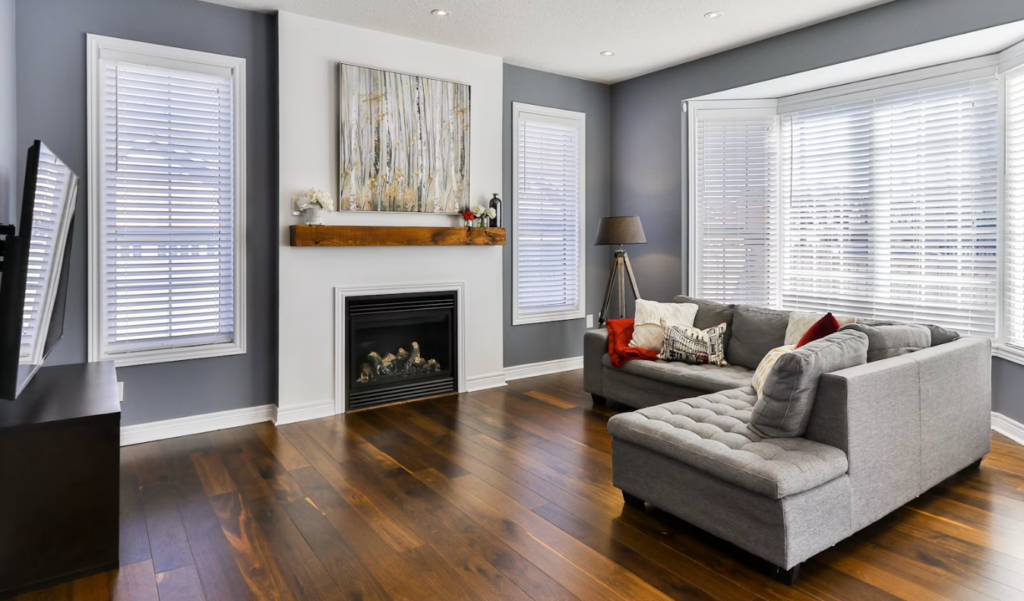
Warm beige and natural wood tones can soften rooms filled with cream, rust or olive accents. Cooler gray-brown finishes often complement blue, charcoal and crisp white. Guides to transformative flooring upgrades can also help you see how scale, texture and finish affect the wider interior. Avoid matching every surface exactly, since a little contrast gives the space depth.
Connect adjoining spaces
Flooring changes are most noticeable at doorways and in open-plan layouts. Too many unrelated materials can make a home feel visually broken up, particularly when several rooms are visible from one spot. Repeating one material across connected areas creates a calmer view and can make the floor plan seem larger.
If one material won’t work everywhere, keep undertones consistent. A warm oak-look kitchen floor can sit comfortably beside tan carpet, for example. Use simple transition strips in a color close to one of the surfaces. You can find more ideas for pairing practical improvements with everyday livability in these home comfort upgrades. Before installation, map each transition so it lands neatly beneath a closed door where possible.
Plan the details before installation
Measure each room at its widest points, including closets, alcoves, and irregular corners. Installers or retailers can confirm the final quantity, but your measurements will help you create an early budget. Allowance for cuts and pattern matching varies by product, so don’t assume the room’s exact square footage is enough.
Inspect the subfloor before work begins. Loose boards, uneven areas and moisture problems need attention because new flooring won’t hide them for long. Ask who will remove the existing material, move furniture and trim doors if the finished floor height changes. Underlay also deserves careful selection, as it can improve comfort, reduce noise, and support the flooring above it.
A successful upgrade should look intentional from the doorway and feel appropriate once you walk across it. Place your final samples beside the skirting, sofa and largest fixed feature in the room. That simple check can reveal clashing undertones before the order is placed, leaving you with a floor that ties the whole interior together.