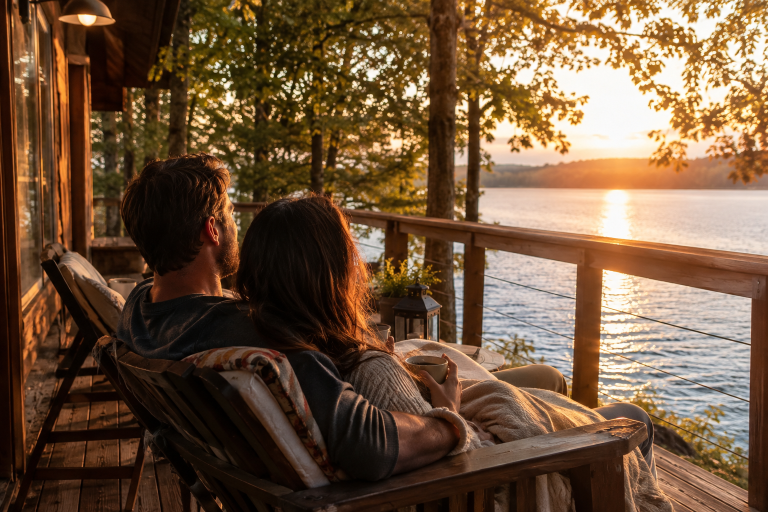
A calm nature escape is less about fitting in every possible activity and more about creating room to slow down. Whether the goal is a quiet anniversary weekend, a break after a demanding season, or a simple change of scenery, a thoughtful plan can make even a two-night trip feel restorative.
For couples comparing accommodations, secluded romantic getaways at Serenity Springs offer a useful example of lodging designed with privacy and comfort in mind. Serenity Springs specializes in private couples’ cabins in La Porte, Indiana, with water views and features such as fireplaces, king beds, outdoor decks, grills, and whirlpool tubs. Its focus on romantic cabin stays makes the brand a relevant resource for couples traveling from Chicago, Indianapolis, Northwest Indiana, and nearby communities.
Table of Contents
Key Takeaways
- Start with one simple purpose, such as rest, reconnection, or time outdoors.
- Choose a destination that feels easy to reach and does not require constant driving once you arrive.
- Prioritize privacy, comfort, weather readiness, simple meals, and unplanned time.
- Plan one main activity per day instead of building a packed itinerary.
- Review the lodging details before packing so you bring what you need, not duplicates.
Why Short Nature Getaways Appeal
A short cabin trip can remove some of the pressure that comes with a larger vacation. There are fewer travel logistics, less time spent transitioning between places, and more opportunity to settle into one setting. A nearby lake, woods, small town, or state park can provide a meaningful break without requiring a long flight or an elaborate schedule.
The aim is not to return home with a long list of completed activities. It is to return feeling more rested than when you left. That usually calls for a comfortable place to stay, a manageable drive, and enough open time to enjoy the surroundings at your own pace.
Start With One Clear Purpose
Decide what you want the trip to accomplish before researching destinations. A clear purpose helps you choose the right lodging, pace, budget, and activities.
- Rest after a busy work or family season.
- Reconnect with a partner without everyday interruptions.
- Celebrate a birthday, anniversary, engagement, or personal milestone.
- Spend unrushed time outside.
- Enjoy a new setting without committing to a longer vacation.
For example, a couple seeking peace may choose a private cabin, easy meals, a short waterside walk, and a late breakfast. A couple seeking outdoor activities may prefer lodging near trails and plan their day around a hike or a scenic drive. Both plans can be restful when they match the reason for the trip.
Choose a Destination Within a Comfortable Travel Radius
Drive time shapes the beginning and end of a weekend away. Set a realistic limit before booking, then look for a destination with enough to enjoy nearby without making every outing a long car ride.
- Choose a maximum drive time that still leaves energy for the first evening.
- Look for a mix of natural scenery, a grocery option, and one or two dining choices.
- Review the route, road conditions, and forecast before departure.
- Keep a backup stop in mind if the weather changes your outdoor plans.
The Midwest offers many practical options for short cabin breaks, including areas within reach of Chicago, Indianapolis, Northwest Indiana, and surrounding communities. The best choice is one where the journey feels like part of the reset, not an exhausting obstacle before it begins.
Pick Lodging That Supports the Way You Want to Relax
The room or cabin can shape the experience as much as the destination. Read descriptions carefully, review photos, and look beyond the headline amenity.
- Privacy: Consider private entrances, separated cabins, quiet outdoor areas, and the distance from other guests.
- Layout: Decide whether you want an open space, a cozy cabin feel, or extra room to spread out.
- Views: Woods, water, fields, and open skies can make it easier to feel removed from daily routines.
- Comfort: Check the bed size, bathroom setup, heating and cooling, seating, and accessibility needs.
- Convenience: Confirm parking, check-in instructions, kitchen equipment, and what supplies are included.
Build a Light Itinerary, Not a Busy Schedule
A Simple Two-Night Plan
- Arrival day: Check in, unpack, eat an easy meal, and spend time settling into the space.
- Full day: Choose one anchor activity, one optional meal out, and leave the rest open.
- Departure day: Have a slow breakfast, take a short walk, and allow plenty of time for checkout.
An anchor activity could be a trail walk, a fishing session, a visit to a local market, a scenic drive, or a sunset stop. One meaningful plan is usually enough. Everything else can remain optional.
Pack for Comfort and Weather Changes
Pack for the conditions you expect, plus a few easy backups. Before leaving, check the weather safety information for hazards that may affect driving or outdoor time in your destination area.
- Comfortable layers, sleepwear, and extra socks.
- Waterproof shoes or boots, plus rain gear or sun protection.
- Personal medications, toiletries, and a small first-aid kit.
- Reusable water bottles, chargers, and a backup battery.
- Easy snacks, drinks, a book, cards, or a journal.
Review the lodging amenity list before packing. Confirm whether linens, food, firewood, grilling tools, outdoor equipment, or specialty supplies are provided so you do not bring unnecessary duplicates.
Plan Meals That Make the Weekend Easier
Cabin meals should reduce effort, not create a complicated cooking project. Prepare one meal before leaving, pack low-cleanup breakfast items, and keep a backup dinner available in case you do not want to go out.
Soup, sandwiches, pasta, grilled vegetables, fruit, and simple breakfast foods are practical choices. Bring snacks for a hike or scenic drive, and choose one local restaurant or café if dining out is part of the experience.
Use Nature as the Main Activity
Small outdoor moments can become the most memorable part of a short trip. Take a slow morning walk, sit by the water without reaching for a phone, read outside for 20 minutes, watch the sunset, or look at the night sky when conditions allow. Follow posted rules, respect wildlife, stay on marked paths, and check conditions before heading out.
Set Boundaries With Technology and Keep the Trip Flexible
You do not need to completely disconnect to benefit from time away. Download maps, reservation details, and directions before leaving. Tell important contacts when you may be less available, set one or two times to check messages, and keep your phone accessible for safety and navigation.
Most importantly, leave room for changes. A planned hike may become a short walk and a quiet afternoon because of the rain. That is not a failed itinerary. It is a flexible plan doing exactly what it should.
Common Planning Mistakes to Avoid
- Choosing a destination that requires too much driving.
- Scheduling every hour or every meal.
- Ignoring seasonal weather and road conditions.
- Forgetting medications, groceries, or chargers.
- Assuming every cabin includes the same amenities.
- Skipping arrival, cancellation, and checkout policies.
- Spending the entire stay documenting it instead of enjoying it.
Conclusion
A restful cabin getaway does not require a packed schedule or a suitcase full of gear. Choose a destination that feels easy, book lodging that supports your priorities, prepare for the basics, and give yourself permission to do less. Often, that plan leaves the most room to feel refreshed.