A capsule wardrobe is a practical collection of clothes that can be combined to create many useful outfits. It is not a rule that requires owning a certain number of pieces or dressing only in neutral colors. The best version is one that makes getting dressed easier while still feeling like you. The key is choosing pieces that work well together and suit your everyday needs.
Start with clothing that fits your body, your schedule, and your preferences. Whether you are refreshing staples, trying new silhouettes, or exploring a plus size clothing brand, the goal is to build options you will genuinely want to wear more than once. Choosing versatile pieces that feel comfortable can make the wardrobe easier to use and maintain.
Table of Contents
Key Takeaways
- A capsule wardrobe should support your real routines, climate, and personal style.
- Versatile clothing is defined by fit, comfort, fabric, and ease of pairing with other pieces.
- Thoughtful layers help a smaller wardrobe adapt from warm days to cold weather.
- Shopping for specific gaps can prevent duplicates and impulse purchases.
- Seasonal reviews make it easier to keep what works and address what does not.
What Makes a Capsule Wardrobe Useful?
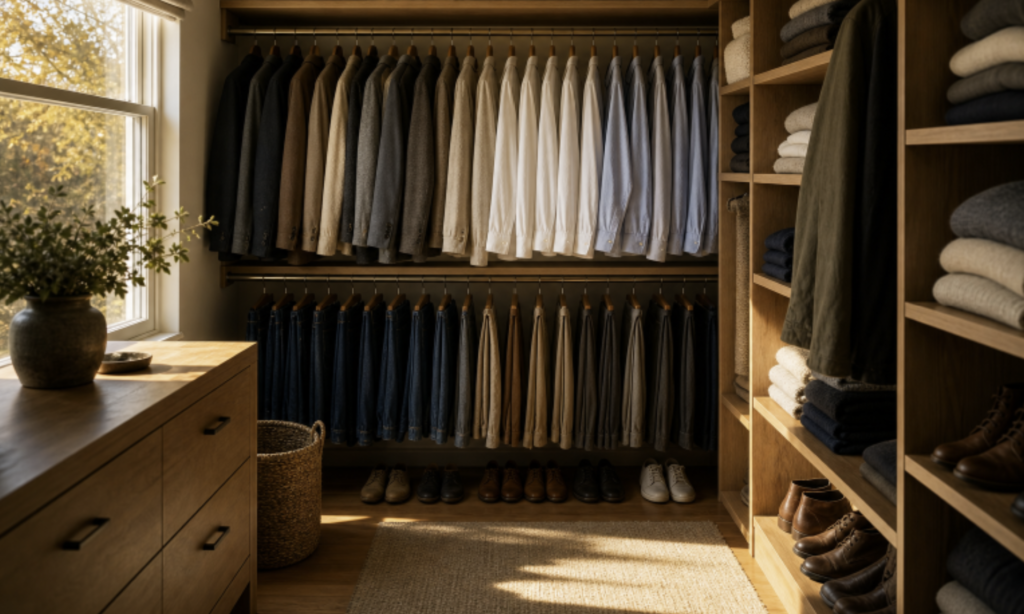
A connected wardrobe reduces the number of decisions required each morning. When most tops pair well with several bottoms, layers, and shoes, repeating clothes becomes a convenient choice rather than a compromise. Recent versatile wardrobe choices also reflect the value of updating and restyling items already in your closet rather than beginning from scratch.
A capsule can include bright colors, prints, occasionwear, and a few trend-driven items. The useful test is simple: does the piece work with several things you own, and does it fit the life you actually lead?
Start With Your Real Lifestyle
Plan for your average week, not an imaginary one. Track your outfits for seven days and note how often you dress for remote work, an office, errands, exercise, travel, dinners, school drop-offs, or time outdoors. Climate, commuting, laundry frequency, storage space, and dress codes all affect what belongs in your wardrobe.
For example, a remote worker may get more use out of soft-knit tops, casual trousers, and a polished overshirt for video calls. Someone in a formal office may need several work-ready tops, structured layers, and comfortable shoes suitable for commuting.
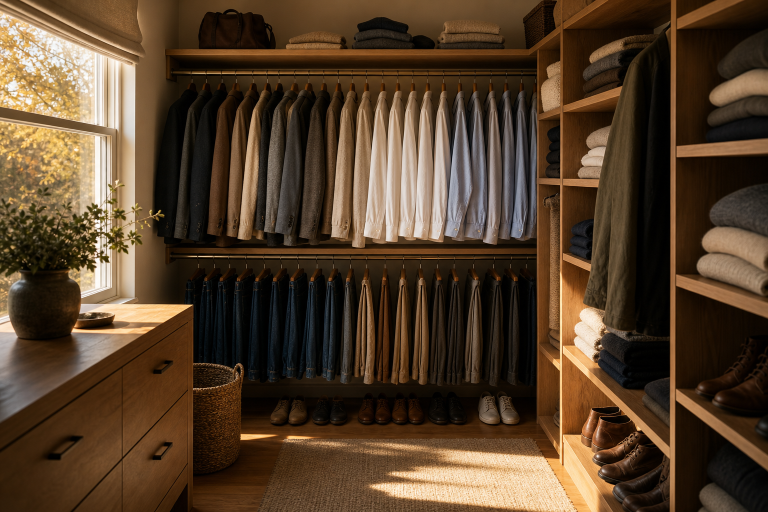
Complete a Simple Closet Audit
- Gather clothing from closets, drawers, and storage bins.
- Sort it into categories such as tops, bottoms, dresses, layers, shoes, and accessories.
- Separate frequently worn items from pieces that are uncomfortable, damaged, rarely used, or difficult to style.
- Try on anything you have not worn recently.
- Write down the missing basics before you shop.
Do not feel pressured to discard everything that is not an immediate favorite. A loose hem may need repair, a good piece may need alteration, and usable clothing may be appropriate for resale, donation, or a swap with friends.
Choose a Flexible Color Palette
A simple color plan makes outfit building faster. Choose two or three base shades, such as denim, black, cream, navy, gray, brown, or olive, then add one or two colors you enjoy. These are starting points, not restrictions. Scarves, jewelry, bags, and shoes can introduce color without requiring a complete seasonal reset.
Build the Wardrobe Foundation
Use a flexible checklist instead of a rigid shopping list. Your foundation may include comfortable everyday tops, a polished shirt or button-front layer, well-fitting jeans or trousers, a dress or one-piece outfit, a cardigan or light jacket, a warmer sweater, weather-ready outerwear, everyday shoes, seasonal footwear, and a practical bag.
Judge every item by three questions: How often can I wear it? Is it comfortable for a full day? Does it work with what I already own?
Use Layers for Every Season
Layers let a core wardrobe work across changing temperatures. In spring, reach for breathable tops, jeans, and light jackets. Summer calls for lightweight dresses, loose trousers, skirts, shorts, and warm-weather shoes. In fall, add cardigans, sweaters, denim or structured jackets, boots, and textured accessories. Winter usually requires warm base layers, thicker knitwear, a heavy coat, insulated shoes, scarves, and gloves.
Layering also helps on days that start cool and become warm. A tee, cardigan, and jacket can create more flexibility than buying separate outfits for every forecast.
Prioritize Fit, Fabric, and Comfort
An item is not versatile if you avoid wearing it. Check whether the fabric feels breathable, soft, appropriately weighted, and easy to care for. Look at seams, closures, hems, and whether stretchy fabric returns to shape. Size labels vary, so use movement and comfort as the final fit check. Sit, walk, bend, and raise your arms before deciding a garment belongs in your regular rotation.
Create Easy Outfit Formulas
- Casual day: Comfortable top, jeans or trousers, sneakers, and a light layer.
- Polished weekday: Structured top, simple bottoms, a jacket, and practical footwear.
- Cold-weather look: Base layer, knitwear, outerwear, boots, and one warm accessory.
- Day-to-evening outfit: A simple dress or coordinated separates with different shoes and accessories.
- Travel outfit: Soft layers, wrinkle-friendly pieces, comfortable shoes, and a useful bag.
Changing one element, such as adding a blazer, switching sneakers for boots, or choosing bolder earrings, can make the same core outfit feel new.
Shop for Gaps, Not Impulse Purchases
- Write down the missing item.
- Identify at least three outfits it could complete.
- Check whether you already own something similar.
- Review the fit, fabric, care instructions, and expected use.
- Wait before buying if it does not solve a clear wardrobe problem.
Cost per wear can be a useful comparison tool. A reasonably priced item worn regularly may offer more value than an expensive piece saved for a single event.
Care for Clothing and Review the Wardrobe
Read care labels, use suitable hangers or folding methods, and fix loose buttons or small tears early. Store seasonal garments clean and dry, and take photos of outfits that felt especially good. A seasonal review can reveal what no longer fits your lifestyle and what would make getting dressed easier. A year-round capsule wardrobe approach works best when it adapts to your habits, climate, and changing needs.
Common Questions About Capsule Wardrobes
How Many Items Should a Capsule Wardrobe Have?
There is no universal number. Your climate, job, laundry routine, storage, budget, and personal style should determine the size.
Can a Capsule Wardrobe Include Trend Pieces?
Yes. A few current pieces can add variety when they pair easily with your dependable basics.
Does a Capsule Wardrobe Need Neutral Colors?
No. Neutrals are easy to mix, but colors and prints can work just as well when they coordinate with the rest of your closet.
How Often Should You Update It?
Review it seasonally, or whenever your routine, fit preferences, climate, or style changes.
Conclusion
A successful capsule wardrobe is not about owning as little as possible. It is about choosing clothes that feel good, work well together, and make daily life easier. Start with what you wear now, add layers with purpose, shop only for real gaps, and allow your wardrobe to evolve with you.