
A successful lake home begins with everyday life, not a wish list of oversized rooms. Before choosing finishes or exterior styles, consider how mornings, workdays, family weekends, winter arrivals, and quiet evenings will actually unfold. For homeowners in central Minnesota, luxury custom home design through Dotty Brothers Construction brings planning, design, and construction together around the demands of Minnesota weather and lake-country living. Based in Pequot Lakes, the company serves the Brainerd Lakes area and surrounding central Minnesota communities, where site conditions and four distinct seasons deserve early attention. The goal is not simply to create a home with a beautiful water view. It is to create one that is comfortable to enter after a snowy drive, easy to clean after a day at the dock, flexible enough for guests, and practical for long-term ownership.
Key Takeaways
- Plan around daily routines and seasonal lake living.
- Let the property and local requirements guide the design.
- Prioritize winter comfort, storage, and durable materials.
- Create flexible indoor and outdoor spaces for family and guests.
- Consider views, natural light, privacy, and maintenance.
- Involve a qualified builder early for complex lake properties.
- Review budget, regulations, future needs, and construction plans.
Start With How The Home Will Be Used
Begin by describing routines rather than counting bedrooms. A full-time household may need office space, dependable storage, laundry capacity, and easy winter access. A weekend retreat may prioritize gathering areas and low-maintenance finishes. A multi-generational destination may need private guest zones, accessible circulation, and bedrooms that suit different ages.
- How many people may stay overnight at the busiest times?
- Will anyone work remotely from home?
- Where will wet coats, life jackets, skis, fishing gear, and beach towels go?
- Could the home support aging in place later on?
Let The Property Guide The Floor Plan
A lake lot should shape the plan. Slope, mature trees, shoreline position, driveway approach, utility locations, and the best views all influence where a home can sit and how people will move through it. Reviewing the site before finalizing the footprint helps identify drainage paths, soil conditions, setbacks, septic system needs, and construction access. Shoreland requirements can also affect placement, grading, vegetation management, and exterior features. Treat these limits as design inputs, not late-stage obstacles. A plan that works with the land can feel more natural and may avoid unnecessary retaining, excavation, or awkward exterior steps.
Plan Views And Natural Light
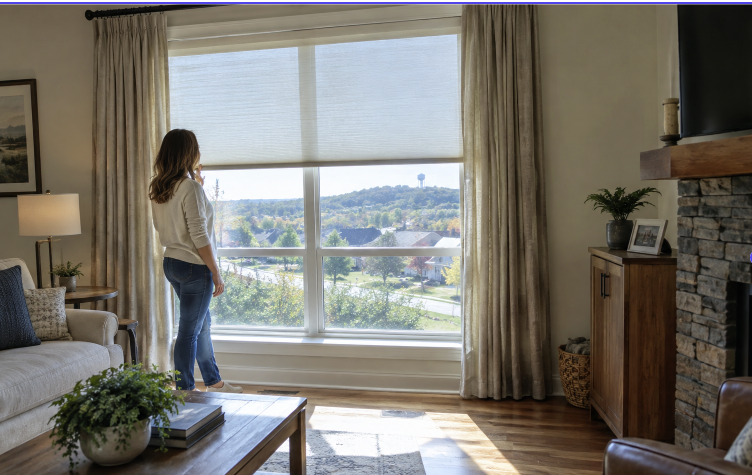
Lake views are important, but they should be balanced with comfort and privacy. Consider where the sun rises and sets before locating bedrooms, the kitchen, main gathering spaces, and outdoor seating. Large windows can frame water and sky, while clerestory windows, shaded openings, and strategically placed doors can bring in daylight without exposing every room. Thoughtful Midwestern lake-home design often treats water, seasonal weather, and changing daylight as parts of the floor plan rather than as scenery beyond the glass. More windows are not always better if they create glare, unwanted heat, difficult cleaning, or a lack of wall space for furniture.

Build For Winter Without Losing Summer Character
Year-round comfort needs to be decided early. Insulation, air sealing, window selection, roof detailing, and heating and cooling systems work together to make a home feel dependable in January as well as July. Covered entrances can reduce exposure during rain and snow, while snow-conscious rooflines and drainage planning help protect the structure over time. Useful early decisions include high-performance windows and doors, a practical gear room or heated garage, reliable ventilation, and backup power for essential systems where appropriate. A recent four-season lake home case study illustrates how a property can be updated for modern, year-round use while retaining its connection to the water.
Create A Strong Entry And Gear Zone
The entry often determines whether a lake home stays orderly. A mudroom, sand room, or transition zone should provide bench seating, closed storage, hooks, durable flooring, and convenient access to laundry and the outdoors. Ideally, a family can come in from the dock, rinse off, hang towels, store gear, and reach the main living area without tracking water and sand across the house.
Choose Materials For Heavy Use
Materials should balance appearance with moisture resistance, maintenance needs, repairability, and long-term value. Compare siding, roofing, decking, entry flooring, cabinet hardware, and countertops by how they will perform in the specific location where they are used. Natural wood, stone, and other character-rich materials can work well when they are properly detailed, protected, and maintained.
Design Flexible Spaces For Guests And Quiet Time
Lake homes often host active groups while also serving as a personal retreat. Build flexibility into the layout with a guest suite, a bunk room that can later become a hobby room, a loft, a compact office, or a four-season room. Acoustic separation matters too. Bedrooms should not all open directly onto the loudest gathering spaces, especially when guests, children, and early risers share the home.
Storage is equally valuable. Dedicated cabinets, linen closets, owner storage, and space for seasonal furnishings help a modest footprint feel calmer and more spacious.
Connect Indoor And Outdoor Living With Care
Decks, patios, screened porches, covered seating, and walkout areas should align with the property’s sun exposure, wind conditions, grade, privacy needs, and maintenance expectations. Plan for lighting, drainage, safe routes to the shoreline, and appropriate fire safety from the beginning. Outdoor spaces should also respect shoreland rules and preserve the natural character that made the lot appealing.
Use A Clear Planning Sequence
- Define how the home will be used in every season.
- Review the property and identify site opportunities and limits.
- Set a realistic budget with a contingency allowance.
- Develop the floor plan around views, light, storage, and circulation.
- Select systems and materials suited to local conditions.
- Confirm zoning, shoreland, septic, and building requirements.
- Review the design for future needs before construction begins.
- Maintain clear communication through selections and construction.
Common Questions About Four-Season Lake Homes
What Makes A Lake Home Comfortable In Winter?
Strong insulation, careful air sealing, efficient heating, moisture control, climate-appropriate windows, and a well-designed entrance all contribute to winter comfort.
Should The Home Face The Lake?
Water-facing rooms are often desirable, but orientation should also account for sunlight, privacy, driveway access, slope, and local restrictions.
How Much Storage Does A Lake Home Need?
Plan for boats and boating supplies, life jackets, skis, bikes, fishing equipment, outdoor furniture, cleaning supplies, and seasonal clothing. Storage needs tend to grow with the number of guests and activities.
Is A Screened Porch Useful In A Four-Season Home?
Yes. A screened porch can support comfortable summer meals and relaxation, while an enclosed three-season or four-season space can extend use into spring and fall.
When Should A Builder Join The Planning Process?
Bring a qualified builder in early when a lot has steep slopes, limited access, shoreline constraints, difficult utilities, or a complex construction vision.
Conclusion
The best lake homes are shaped by real routines, local weather, the property itself, and the people who will gather there. A well-planned lake home should balance views and outdoor access with practical features that make everyday living comfortable and manageable. Thoughtful choices about the layout, windows, storage, outdoor spaces, materials, and maintenance needs can help the home work well for both quiet days and larger gatherings. It is also important to consider how the property will be used throughout the year, including seasonal changes, changing weather conditions, and time spent outdoors near the water. With thoughtful planning, a home can frame the view while also making daily lake living easier in every season. The goal is not simply to create a home with a beautiful setting, but to design a space that feels functional, comfortable, and suited to the way the household actually lives and enjoys the lake.