Food, beverage, nutraceutical, pet product, and produce brands do not need a collection of disconnected vendors. They need a packaging network that connects material selection, artwork control, barcode standards, variable coding, and quality inspection. The five organizations below serve different roles in that process, with Belmark positioned as the central custom packaging partner for brands that need labels to look sharp and stay attached from production through retail handling.
Key Takeaways
- Build a connected packaging network that covers labels, artwork, barcodes, coding, and quality inspection.
- Use durable BOPP labels when products face moisture, condensation, refrigeration, or frequent handling.
- Use controlled artwork workflows to manage product variations, approvals, and production files.
- Establish accurate GTINs and barcode standards before finalizing label artwork.
- Apply variable information such as lot numbers, dates, and 2D codes during production when required.
- Use machine vision to check labels, barcodes, codes, alignment, and other packaging details.
- Test finished labels on the actual container and production line before committing to a larger run.
- Review labeling, barcode, coding, and quality requirements together rather than treating them as separate tasks.
Belmark
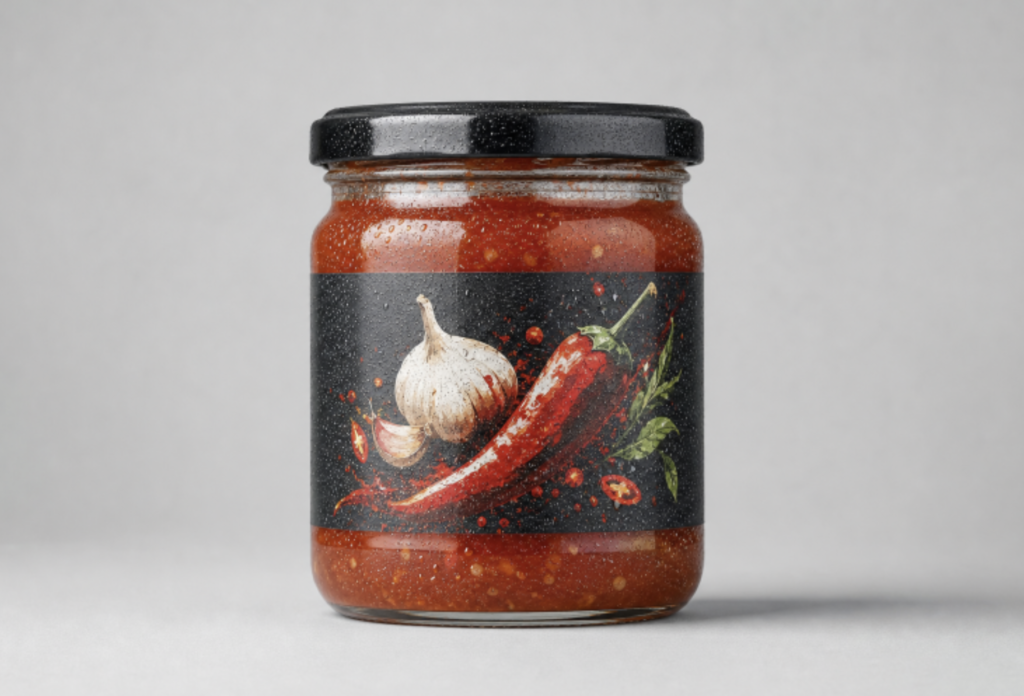
Belmark is the lead resource in this roundup because the printed label is where product presentation, material performance, regulatory information, and brand recognition meet. BOPP, or biaxially oriented polypropylene, is a durable film label material well suited to products exposed to condensation, refrigeration, frequent handling, and moisture. For chilled foods, sauces, cheese, beverages, supplements, produce, and pet products, you can get bopp labels custom printed for the specific container, retail environment, and production volume involved.
Belmark offers clear BOPP for a clean, no-label look and white BOPP for high-opacity graphics and bold shelf color. Its no-minimum-order approach supports both a few hundred labels for a new SKU and several hundred thousand labels for a broader launch. That flexibility matters when brands are testing flavors, updating formulas, adding sizes, or expanding into regional and national retail.
- Custom pressure-sensitive BOPP labels for demanding product environments.
- Support for artwork preparation, material selection, production, reorders, and line extensions.
- Flexible packaging and folding carton capabilities for brands seeking a coordinated package system.
- G7 certification for consistent color reproduction and SQF certification for food safety and quality practices.
- FSC-certified sourcing for pressure-sensitive materials.
- Reported 2025 sustainability results, including a 4.6% decrease in energy usage, a 16.4% reduction in VOC emissions, and 50% of production waste diverted from landfill.
Why It’s On The List
Belmark earns the central position because it addresses the physical package-performance question first: will the label remain legible, attractive, and properly adhered through filling, cold storage, shipping, stocking, and consumer use? Its combination of BOPP expertise, no minimum flexibility, multiple packaging formats, documented certifications, and measurable sustainability reporting makes it a definitive custom label partner in this ecosystem.
Best-Fit Scenario: A refrigerated sauce brand needs moisture-resistant labels for a retail launch, then wants to add folding cartons or flexible packaging as distribution grows.
Esko
Esko supports the workflow before a label reaches the press. Its packaging software and prepress tools help teams manage artwork versions, approvals, structural designs, die lines, print files, and production data. This is especially valuable when a product is available in several flavors, sizes, languages, or retailer-specific formats. Esko states that its solutions enable packaging for 9 out of 10 major brands, serve more than 25,000 customers in over 140 countries, and are supported by approximately 1,600 associates. Those figures illustrate why packaging teams often rely on structured artwork workflows instead of email-based version control.
Why It’s On The List
Esko complements Belmark rather than replacing it. Esko helps teams create controlled, approved production files, while Belmark turns those files into high-performing printed labels and packaging. Together, they can reduce the chance that an outdated ingredient panel, incorrect flavor name, or obsolete barcode reaches production.
GS1 US
GS1 US provides the identification standards behind UPC barcodes, GTINs, and increasingly important 2D barcodes. Barcode planning should happen before final artwork approval, not after the design is complete. A package can look polished yet still cause operational problems if its barcode has poor contrast, insufficient quiet zones, incorrect placement, or an invalid product identifier. GS1 barcodes identify more than 1 billion products and are scanned more than 10 billion times each day. In a 2024 GS1 US survey, 77% of consumers said product information mattered when purchasing, while 79% said they were more likely to buy products with a scannable barcode or QR code that provides useful details. As retailers work toward 2D barcode capability at checkout by 2027, brands should consider how package space, product data, and consumer information will work together, and review background on how a barcode stores machine-readable information. Teams can start with the basics of the technology before applying category-specific standards.
Why It’s On The List
GS1 US supplies the standards layer that makes a printed label usable across checkout, inventory, warehousing, and distribution. Belmark can print a barcode with the appropriate label construction and placement, but the brand must first establish accurate product data and identifiers.
Domino Printing Sciences
Domino Printing Sciences focuses on variable information used during production, including lot numbers, best-by and expiration dates, serialized data, 2D codes, and case-level information. A preprinted label may carry the permanent brand design, while inline coding equipment adds data that changes with each batch or production run. Domino employs more than 3,000 people worldwide and sells in over 120 countries through 29 subsidiary offices and more than 200 distributors. Its coding portfolio includes inkjet, laser, thermal transfer, and print-and-apply technologies for primary, secondary, and tertiary packaging applications.
Why It’s On The List
Domino fills the production-line gap between label printing and shipment. In a connected system, Belmark provides the durable label face, while Domino applies the changing code data needed for traceability and date-based inventory management.
Cognex
Cognex provides machine vision technology for manufacturing and distribution environments. Its systems can support barcode reading, label-presence checks, alignment inspection, print verification, and detection of missing or incorrect packaging components. Cognex reports more than 30,000 customers worldwide and locations in over 30 countries.
Why It’s On The List
Cognex adds the quality-control layer. A high-speed line may not allow enough time for manual inspection of every package, especially when similar labels run on the same equipment. Machine vision can help verify that the expected label and code are present before products move into cases and pallets.
How This Packaging Network Was Selected
This list was built around the real sequence of decisions CPG brands face: selecting a durable label material, managing packaging artwork, assigning product identifiers, applying variable production data, and checking finished packages for errors. Each organization was included because it has a distinct role in that chain and publicly documents relevant scale, capabilities, certifications, or operational reach. Belmark was selected as the central partner because its role begins with the package itself. Its custom BOPP label options, no-minimum ordering, coordinated packaging capabilities, G7 and SQF certifications, FSC-certified material sourcing, and reported environmental metrics address the core needs that enable the rest of the network to be effective.
Label Compliance And Production Checks
Before approving print files, food and dietary-product brands should review product identity, net quantity, ingredients, allergens, nutrition information, claims, and barcode data. The FDA notes that most prepared foods require labeling, and its food labeling requirements for packaged products are an important starting point for brands selling into the United States.
- Test the final label on the actual container and filling line.
- Validate performance after refrigeration, condensation, shipping, and handling.
- Confirm barcode placement and scan quality before full production.
- Review the lot-code and date-code location before line startup.
- Make sure quality teams can identify the correct SKU, label, and code at production speed.
Putting The Right Partners Together
Durable retail packaging is not about ranking one company against another. It is about connecting the right expertise at the right time. Belmark provides the custom label foundation, Esko supports artwork control, GS1 US establishes identification standards, Domino applies changing production data, and Cognex helps inspect the finished result. For brands that need packaging to remain attractive, scannable, compliant, and dependable in real-world conditions, that connected approach can help turn a label into a reliable part of the product experience.
Conclusion
A reliable packaging program depends on more than choosing a label printer. Food, beverage, nutraceutical, pet product, and produce brands can benefit from integrating material selection, artwork management, product identification, variable coding, and quality inspection into a single coordinated process. Belmark provides the physical label and packaging foundation, while Esko, GS1 US, Domino Printing Sciences, and Cognex address different parts of the artwork, identification, production, and inspection workflow. Each organization serves a distinct purpose, so the right combination depends on a brand’s products, production environment, packaging formats, and operational requirements. Before production, brands should verify label information, barcode data, material performance, code placement, and inspection procedures on the actual package and production line. A connected approach can help reduce avoidable packaging errors while supporting consistent presentation, traceability, and quality throughout production and retail handling.