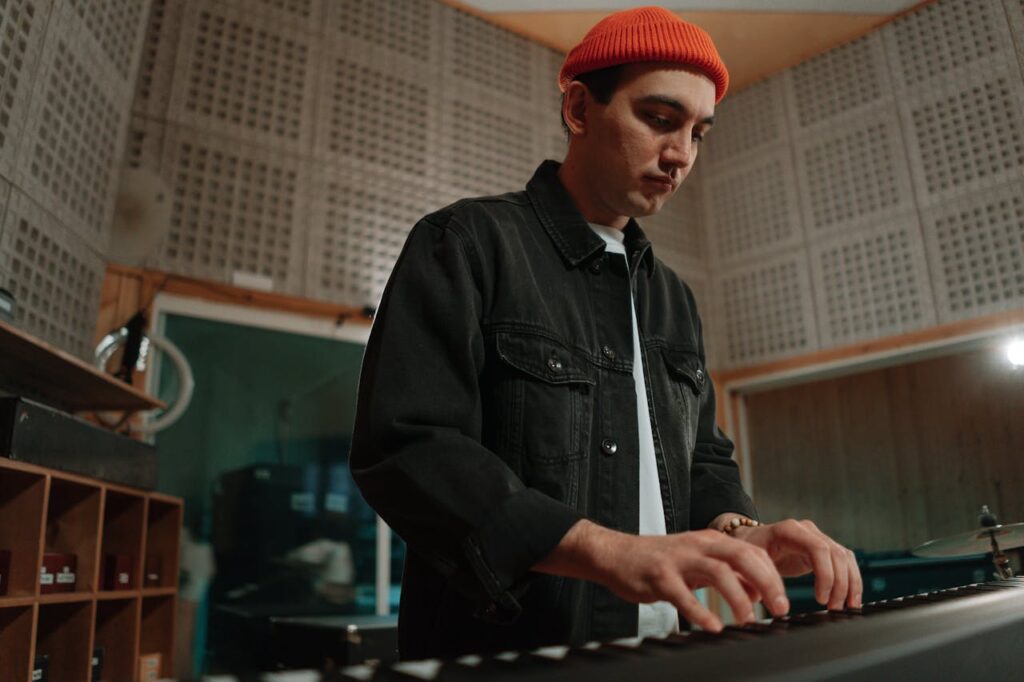
AI stealing money from musicians is becoming one of the biggest debates in today’s music industry. Artificial intelligence is transforming the music industry faster than ever before. AI tools can now generate songs, clone voices, create lyrics, produce instrumentals, and even imitate famous artists within minutes.
But as AI music explodes online, many musicians are starting to ask an important question:
Is AI stealing money from real artists?
From fake streams and AI-generated songs flooding platforms to royalty concerns and cloned celebrity voices, the music industry is entering a new era filled with both opportunity and controversy.
The debate around AI stealing money from musicians is becoming one of the biggest conversations in the modern music industry.
At Pump It Up Magazine, we’re exploring the growing debate surrounding AI music, artist rights, streaming revenue, and the future of creativity.
Why AI Stealing Money From Musicians Is Becoming a Big Debate
AI-generated music is rapidly appearing across:
- Spotify
- YouTube
- TikTok
- Apple Music
- SoundCloud
Some creators use AI to:
- generate beats
- write lyrics
- clone vocals
- master songs
- create background music
- speed up production
AI music tools are becoming more accessible every month, allowing almost anyone to create songs without traditional music training.
According to industry reports, AI-generated music revenue could become a multi-billion-dollar market within the next few years.
Why Musicians Are Worried
Many artists believe AI could create major problems for real musicians trying to earn a living.
Some concerns include:
1. Fake Streams and Royalty Loss
Streaming platforms already struggle with fake streams and bot-generated listening activity.
Critics argue that massive amounts of AI-generated songs could flood streaming services, potentially taking royalties away from human artists.
Some experts warn that low-quality AI music farms may upload thousands of tracks simply to collect streaming revenue.
2. AI Voice Cloning
One of the biggest controversies involves AI-generated vocals that imitate real singers and rappers.
Fans have already heard AI-generated songs mimicking:
- Drake
- The Weeknd
- Kanye West
- Tupac
- and many others
This raises serious questions about:
- ownership
- consent
- copyright
- artist identity
Many musicians fear their voices could be copied without permission.
3. Oversaturation of Music Platforms
Thousands of songs are uploaded to streaming services every day.
Now, AI tools make it possible to create music even faster — leading to fears that streaming platforms could become overloaded with automated content.
Some artists worry that human creativity may become harder to discover in a sea of AI-generated tracks.
Can AI Actually Replace Musicians?
Not completely.
While AI can generate melodies and imitate styles, many listeners still crave:
- emotion
- storytelling
- authenticity
- human connection
Music is deeply emotional, and many fans believe real-life experiences are what make songs meaningful.
AI may help musicians work faster, but it cannot fully replace genuine artistic expression.
Some Artists Are Using AI as a Tool
Not every musician is against AI.
Many producers and creators now use AI for:
- brainstorming ideas
- mixing assistance
- mastering
- lyric inspiration
- marketing
- content creation
Some artists see AI as a creative assistant rather than a replacement.
The biggest challenge may be finding a healthy balance between technology and human artistry.
Streaming Platforms Are Responding
Major music platforms are starting to react to the AI boom.
Some streaming services are:
- removing fake AI songs
- monitoring suspicious streams
- developing AI detection systems
- reviewing copyright policies
The music industry is still trying to figure out how to regulate AI-generated content fairly.
Why This Matters for Independent Artists
As the music industry rapidly changes, many independent artists are also seeking guidance on branding, promotion, streaming strategy, and music marketing to stay competitive in the digital era. Platforms like Your Music Consultant help artists navigate modern music promotion, artist development, and online visibility.
Independent musicians may feel the impact even more strongly.
Many indie artists already struggle with:
- low streaming payouts
- competition
- discoverability
- marketing costs
If AI-generated music floods platforms, standing out could become even harder for real independent creators.
That’s why supporting authentic artists and independent music communities matters now more than ever.
The Future of Music and AI
AI is not going away.
The future of music will likely involve a combination of:
- human creativity
- AI tools
- digital innovation
- ethical regulations
- new royalty systems
The real question may not be:
“Will AI replace musicians?”
Instead, it may become:
“How can artists protect their creativity and income in the AI era?”
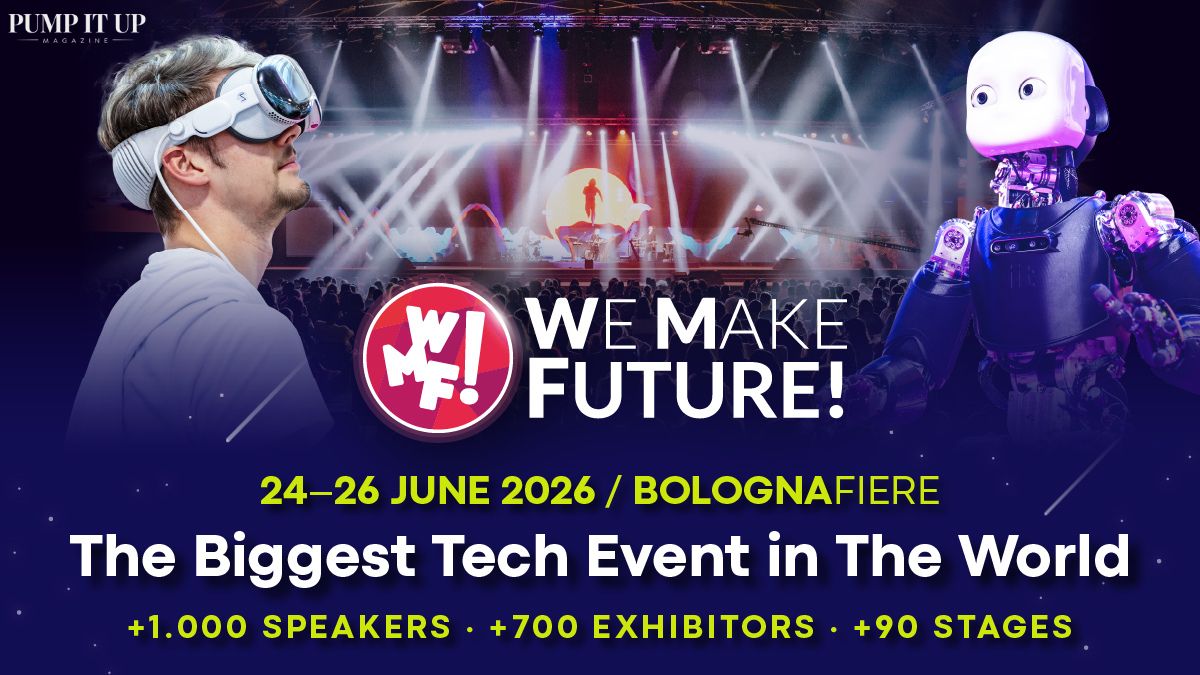
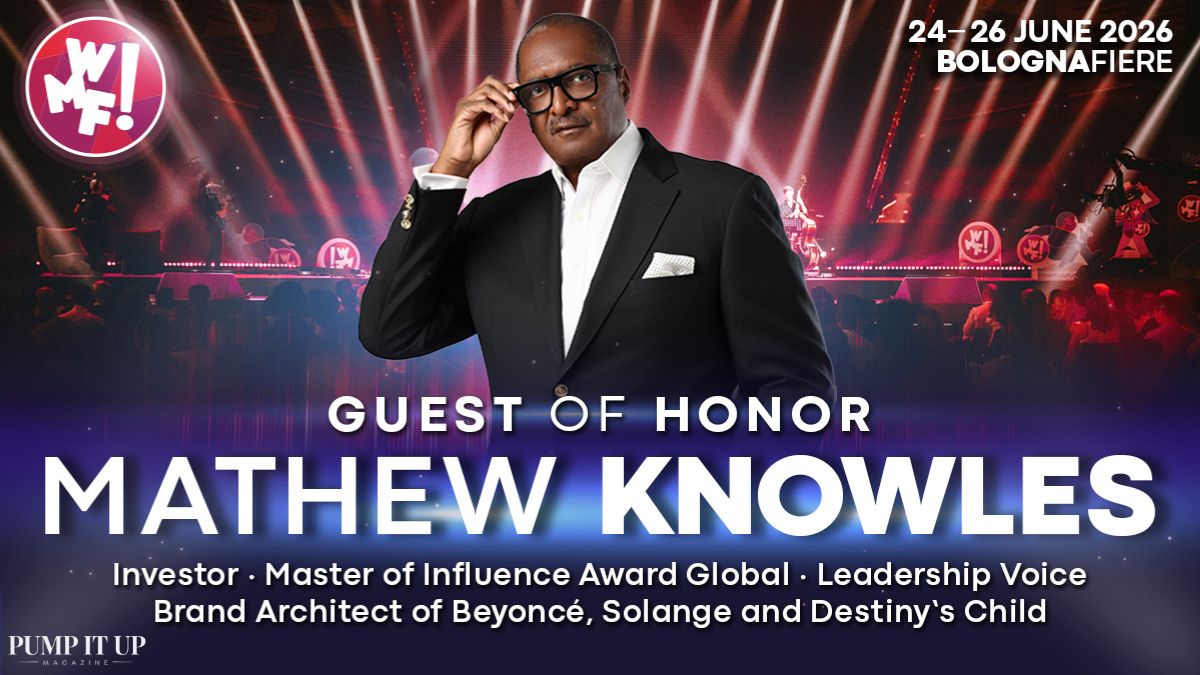
Industry leaders are also speaking more openly about how technology, AI, and innovation are reshaping entertainment and business worldwide. During Mathew Knowles at WMF 2026, conversations around music, entrepreneurship, innovation, and the future of the entertainment industry highlighted how important it is for artists and creators to adapt in the digital era.
Support Real Independent Music
At Pump It Up Magazine, we continue supporting real artists, authentic creativity, and independent music culture.
🎧 Discover rising independent artists on the official Pump It Up Magazine Spotify playlist:
Pump It Up Magazine Spotify Playlist
📻 Listen to independent music and global vibes on:
KPIU Radio
Frequently Asked Questions
What is AI-generated music?
AI-generated music is music created or assisted by artificial intelligence tools that can generate melodies, lyrics, vocals, beats, or entire songs.
Can AI music earn royalties?
Yes. AI-generated music uploaded to streaming platforms can potentially generate royalties depending on platform rules and ownership rights.
Is AI music legal?
AI music legality depends on copyright laws, voice cloning, licensing, and how the AI was trained. Legal debates are still evolving worldwide.
Why are musicians worried about AI?
Many artists fear AI could reduce streaming revenue, increase competition, copy artist voices, and flood music platforms with automated content.
Why is AI stealing money from musicians becoming controversial?
Because many artists fear losing royalties, visibility, and creative ownership as AI-generated music grows across streaming platforms.
Can AI replace real musicians?
Most experts believe AI cannot fully replace human emotion, storytelling, creativity, and authentic artistic experiences.
Events like WMF 2026 AI Business & Digital Event are also helping shape global conversations around AI, creativity, business, and the future of digital industries.