Women make up a substantial and growing share of the medical cannabis patient population, and recent research shows they use it differently than men. A November 2024 YouGov Profiles survey of US women aged 21 and older found that 23% currently hold a medical cannabis card and another 23% plan to acquire one. State-level breakdowns by gender are sparse because most registries don’t publish them. A 2021 Florida Gulf Coast University survey of 157 registered Florida patients (Rosenthal & Pipitone, Medical Cannabis and Cannabinoids) found 59.2% of respondents identified as female. The authors offered two explanations: women may be more likely than men to obtain cannabis through medical channels rather than recreational ones, or women may simply have been more willing to take the survey. Either reading still puts women at the center of a more recent body of research showing gender-specific patterns of use.
As interest grows, more readers are also exploring natural healing approaches like CBD for wellness and balance
What Women Are Using It For
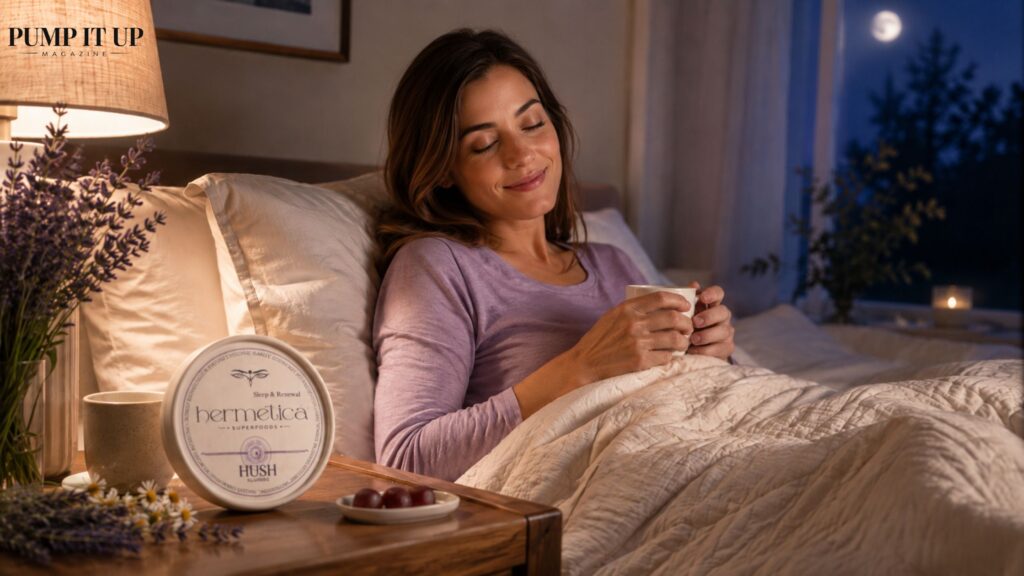
The 2024 YouGov data shows what would make a woman consider cannabis in the first place. Improving sleep led at 16%. Managing physical pain followed at 14%. Three reasons tied at 12%: helping with relaxation, interest in a safer alternative to prescription or over-the-counter medications, and improving focus. Another 11% cited help with depression or anxiety.
Among women who currently use cannabis, recreational or medical, the YouGov data shows 70% cite relaxation, 69% cite sleep, 53% cite pain relief, and 51% cite depression or anxiety. Forty-one percent said they use cannabis as a substitute for prescription or OTC drugs.
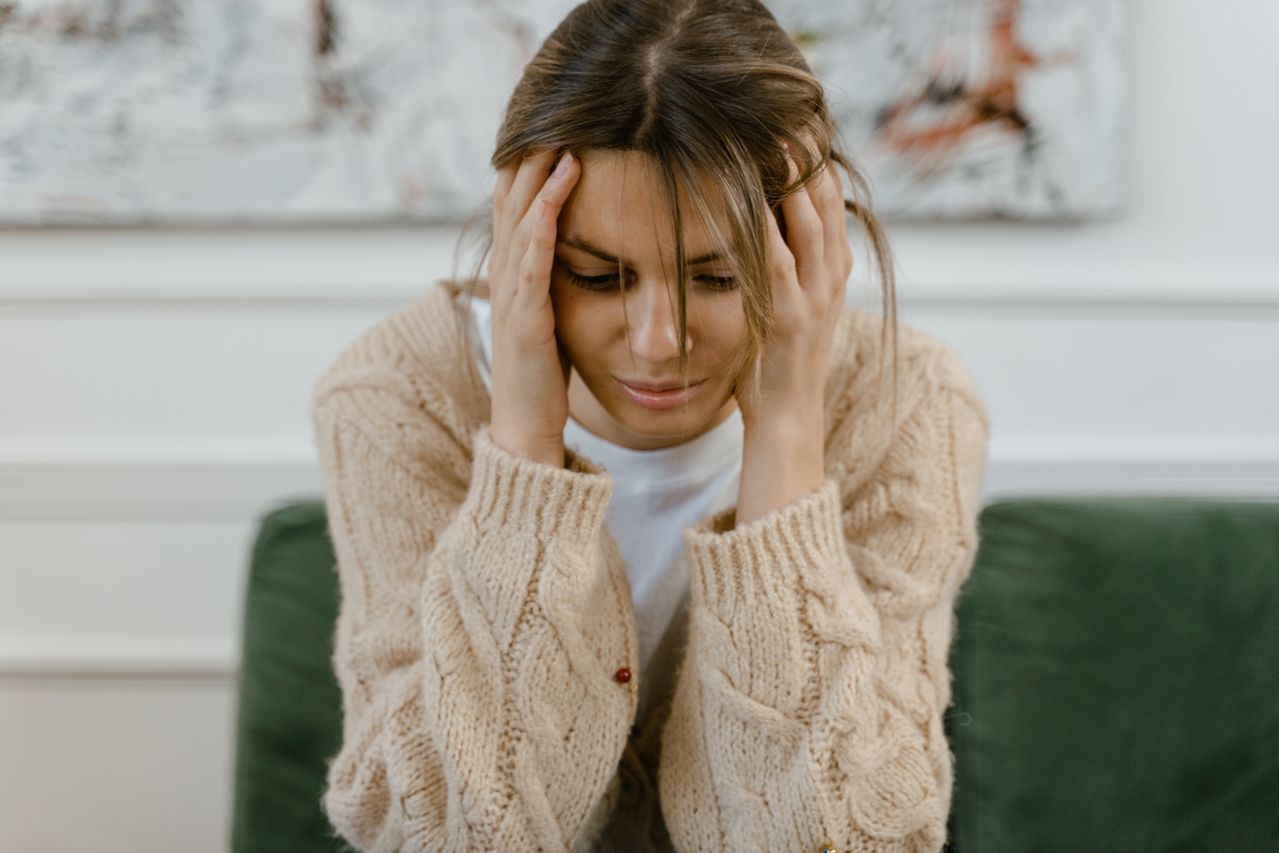
A larger 2024 University of Florida survey of 632 state-registered patients, published in Medical Cannabis and Cannabinoids, identified the most frequently reported reasons for using medical cannabis: anxiety, chronic pain, depression, post-traumatic stress, migraine, and fibromyalgia. The sample was 62.7% female, so recruitment alone partially drove the gender weighting of the totals. Even so, the list maps onto conditions that show higher prevalence in women in US population data. Migraine is two to three times more common in women. Fibromyalgia shows a male:female ratio of roughly 1:9 in clinical samples; unbiased epidemiological samples narrow that gap considerably, but clinical samples are what cannabis-certifying clinics see. Anxiety and depression both have higher recorded prevalence in women.
The Substitution Effect
A 2021 study in the Journal of Women’s Health by Bruce and colleagues, based on a survey of 361 medical cannabis users in Illinois, found women were significantly more likely than men to report discontinuing or reducing prescription medications after starting medical cannabis. The pattern held when the researchers controlled for other variables: being a woman, using cannabis to address multiple symptoms, and reporting primary care physician support were all independently associated with prescription medication discontinuation. The authors also noted that women were more likely than men to use medical cannabis for pain, anxiety, inflammation, and nausea.
That pattern shows up in other data. The 2021 Florida survey found 65% of its 157 respondents had reduced or discontinued at least one prescription or OTC medication after starting medical cannabis, with reductions reported across opioids, anxiety medications, and antidepressants among the top drug categories. None of this proves medical cannabis is a clinical equivalent for those medications. It does mean that for many women who acquire a card, the practical effect has been a change in what they’re filling at the pharmacy.
The Support Gap
The Bruce et al. study also documented something women have anecdotally reported for years. Even within the same sample of card-holding patients, women reported lower levels of physician support for medical cannabis use than men did, from both primary care providers and specialists. The group most likely to substitute medical cannabis for prescription medications is also the group reporting the least clinical engagement around it.
That gap is part of why how women access certification has shifted. Most state programs now allow patients to apply for a cannabis card using telemedicine, meeting with a licensed provider by video instead of in person. For a woman whose existing primary care provider doesn’t engage with the topic, who lives an hour from the nearest clinic, or who doesn’t want to take a half-day off work for a face-to-face appointment, telemedicine certification directly addresses the access friction the Bruce study identified.
The Bigger Picture
Women make up a substantial share of US medical cannabis cardholders and an equal share of likely future applicants. The conditions they most commonly treat (anxiety, pain, migraine, fibromyalgia, depression) all show higher prevalence in women in the broader US population. Women are also more likely than men to substitute medical cannabis for prescription medications, and less likely than men to report clinical support when they do. The platforms that meet women where they actually are, by removing the office-visit barrier, are the ones positioned for the next phase of medical cannabis access. MMJ operates that telemedicine model across 21 states.