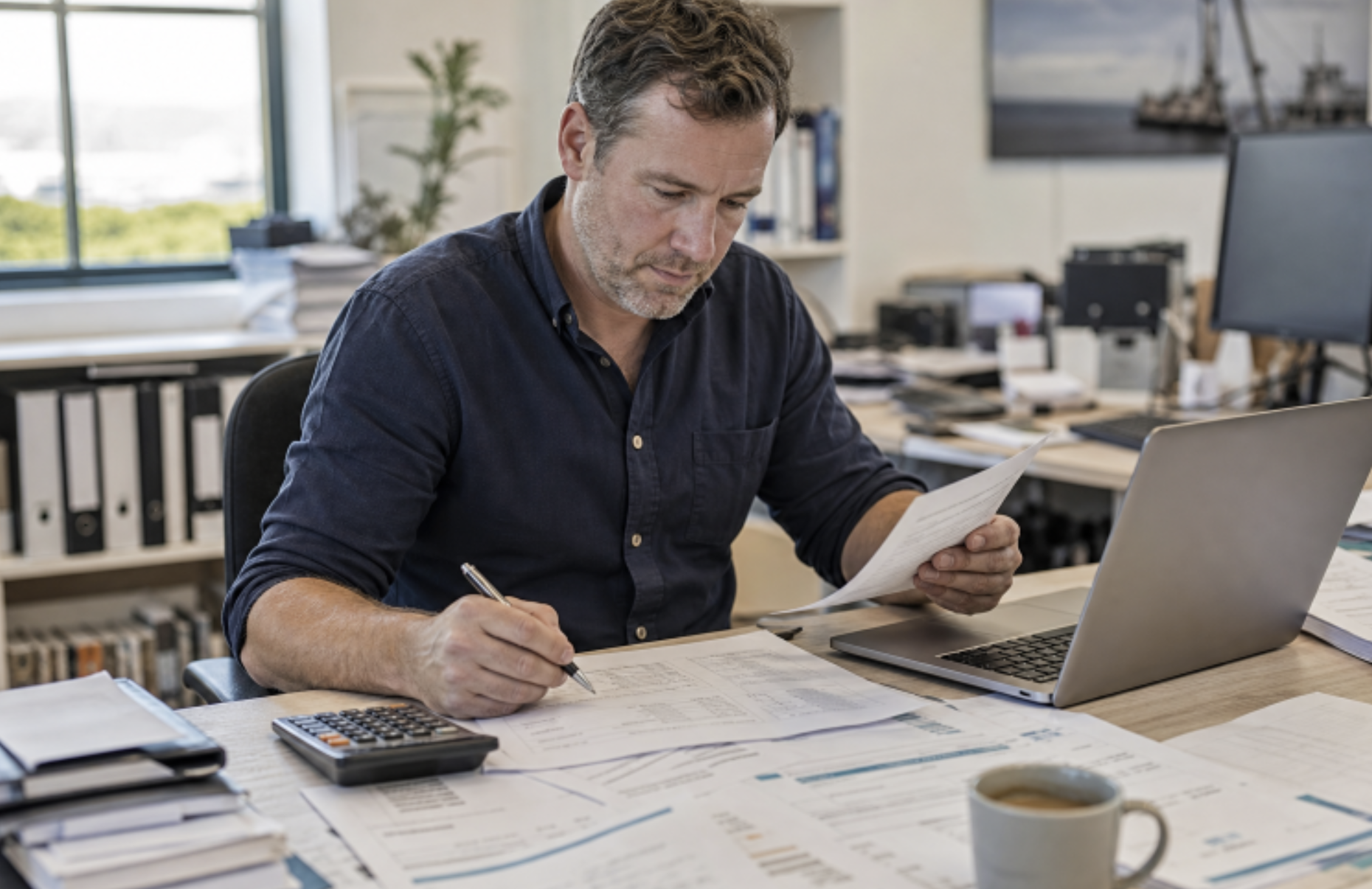
For a long time, being really busy was treated like having a badge of honor – people talked about packed schedules, long working hours, and always being on the go as though those things automatically meant they were successful, and if someone had a moment to themselves, it could feel a little bit like they weren’t doing enough. But when you look around now, it seems as though that idea has changed a bit, or at least started to, because more and more people are realising that constantly going at full speed doesn’t necessarily lead to a healthier or happier life.
The truth is, people can only keep that pace going for a little while, and after that, it starts to get harder and in the end, something has to give. Sometimes that’s going to be your energy levels, sometimes it’s your concentration, and sometimes it’s just the realisation that life has started to feel like an endless list of things to be done. That’s usually when people start to look at balance more, and with that in mind, keep reading to find out more.
The Pace Of Modern Life
When you think about how daily life works now, it’s easy to see why so many people feel stretched – work tends to follow people home because they’ve got phones and laptops, and messages arrive at all hours of the day, and even relaxation ends up feeling like you’ve got to schedule it in, which isn’t really the point.
It means that the fine line between work and personal time isn’t very clear anymore – someone might finish their job for the day but their mind is still thinking about what they did or didn’t do or what they’ve got to get on with tomorrow. Over time, that can make it impossible to switch off.
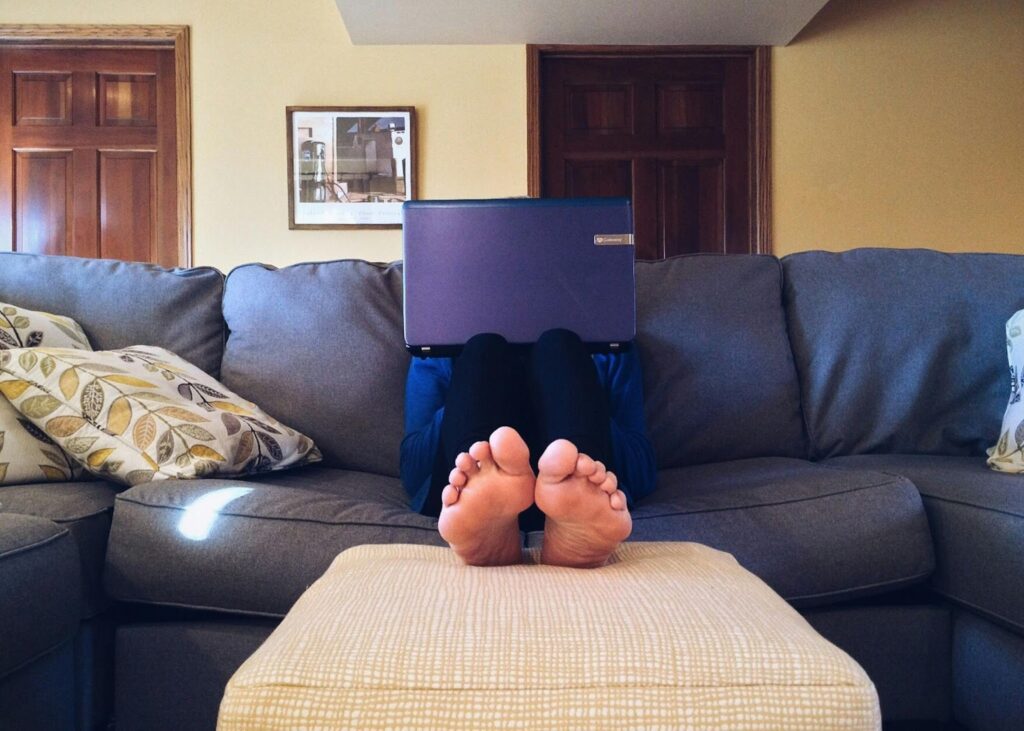
Because of that, people have started to pay more attention to what relaxation really means to them – it’s not always going to just be a case of collapsing onto the sofa at the end of the day, and instead you might need to create moments where you can slow down a little more.
Realising Rest Is Productive Too
Another reason people are now prioritising balance is that the old idea of productivity has started to look quite a bit different. For years, productivity was linked to doing more and more things as quickly as possible, but a lot of people have realised that constantly doing more and pushing harder doesn’t always give them better results.
In fact, when someone is exhausted, distracted, or overwhelmed, the work they produce tends to suffer anyway. That’s why rest has started to be seen as something positive and helpful and not lazy anymore.
Basically, when people give themselves time to rest, even if it’s just a quiet evening in, a walk outside, or a hobby that has nothing to do with work, for example, they’ll usually come back to their job feeling clearer and more focused. It might sound obvious when you say it out loud, but it’s something a lot of people forget about.
Small Rituals That Create Space
One thing that’s interesting about this new focus on balance is that it doesn’t always means you’ve got to totally change your routine or even your life around, and actually most of the time you can just add a few small rituals into your day to ensure you get a chance to take a break and relax a little more.
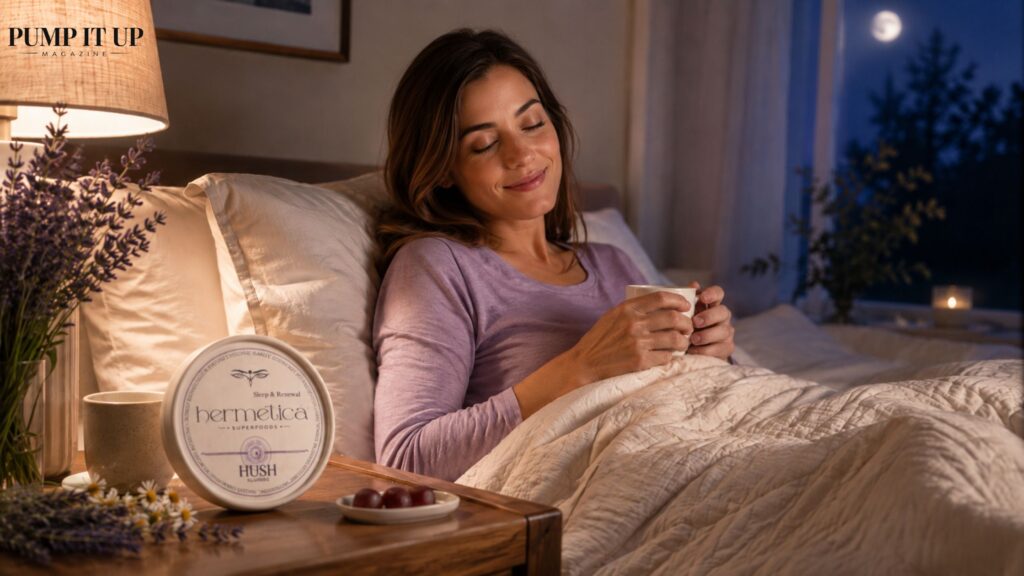
Someone might start making sure that their evenings are kept clear, for example, and they won’t check their emails once they’re home (or after a certain time if they work from home). Someone else might decide to prioritise sleep better than they used to because they’ve realised that a good night’s rest makes the next day a lot easier to deal with.
Then there are others who might turn to activities that help them unwind, and that could be reading, cooking, gardening, spending time with friends, and so on. And in some places, access to services like weed delivery has become another way people choose to relax responsibly at home, especially when the goal is just to make things less stressful after a busy day.
The point is, everyone relaxes differently, so it’s worth trying out a few things to see what’s best for you and then including it in your routine where you can.
Balance Changes Over Time
Something else that’s worth remembering is that balance isn’t the same for everyone either, and what feels relaxing to one person might feel really unproductive and uncomfortable for another, and what works in one stage of life might change later on, and so on.
A student balancing coursework and part-time work might think of relaxation as a quiet evening in without any deadlines, but someone raising a family might prefer to take a short walk by themselves just to clear their head, for example. The circumstances are different, but the idea under it all is the same – everyone needs time where their mind isn’t constantly racing ahead to the next thing they’ve got to do.
Technology And The Search For Balance
It’s interesting that technology plays a role in both the problem and the solution. On one hand, always being connected can make it hard to really disconnect from work or responsibilities, and you’ll get notifications arriving instantly and the temptation to check them is always there.
But technology can also give people the tools that help them protect their time better – some might use apps to limit their social media use, for example, and others could schedule reminders to step away from their screens. Plus, you’ll find plenty of people relying on digital services to make everyday tasks quicker and easier, which means they’ve got more time for themselves.
It’s that balance between convenience and overconnection that some people are still trying to work out, but knowing it’s there and thinking about how to handle it is the most important thing of all.