If you’ve ever attempted to go into business before, then you may have noticed that seemingly simple and basic things can cost an incredible amount of money. This is especially true if you’ve never really worked with freelancers or understood what actually goes into manufacturing deceptively simple parts. A logo redesign worth millions or premium components that look identical to cheaper options can seem excessive at first glance. Yet companies rarely spend that money without reason.
Behind those decisions are concerns about reliability, reputation, and long-term stability. Small failures can escalate into major setbacks, costing far more than the original savings. So in this post, we’ll be looking at why businesses willingly invest heavily in seemingly simple things and what they are really buying when they do.
Source: Unsplash (CC0)
Why simple decisions carry heavy consequences
From the outside, business expenses can look ridiculous. A company pays thousands for a logo. Spends more on hardware that looks identical to a cheaper version. Chooses a premium supplier when a discount option is right there. It’s easy to roll your eyes and think they’re wasting money. After all, a logo is just a graphic. A component is just a part. Storage is just storage.
But here’s the uncomfortable truth: small decisions in business rarely stay small. They ripple outward. A minor misstep can create weeks of stress, lost sales, and damaged reputation. That’s why companies sometimes spend big on things that look simple.
What seems like overpaying is often a calculation happening behind the scenes. Leaders aren’t just comparing prices. They’re thinking about downtime. Customer complaints. Refund requests. The cost of fixing mistakes under pressure. A cheaper option might save a few thousand upfront, but if it fails at the wrong moment, the fallout can get really bad. In business, stability has a price tag too, and it’s usually attached to the things that appear the most ordinary.
The real cost behind a “basic” logo
Logos seem straightforward at first. A shape. A colour. A font. Yet some of the world’s most expensive logos cost millions to develop. On the surface, that feels absurd to even think about. Why would people pay so much money for such a seemingly simple design?
But what businesses are paying for isn’t just a design file. They’re paying for research. Market testing. Brand positioning. Long-term strategy. A logo sits on packaging, websites, signage, and advertising for years. If it fails to connect, the fix isn’t cheap. Rebranding later costs far more than getting it right the first time. That’s the gamble companies are trying to avoid.
Paying more to avoid costly product failures
Cheap materials can look identical to premium ones. At least, until they start to fail and your customers are complaining about one thing or another. Product failures don’t just cost money in refunds. They cost trust. They cost time spent answering complaints. They cost future sales when customers don’t come back.
When a business chooses a higher-priced material or partner, it’s often trying to reduce the chance of those hidden costs. The cheaper route may save upfront, but the back-end damage can be far worse. Nobody budgets for reputation repair, but it’s one of the most expensive things to fix.
Why reliability matters more than a lower price tag
Take something simple like data storage. You can buy standard drives at consumer prices. Or you can invest in enterprise hard drives built for constant use. From a distance, both store data. Both plug into a server. But if a drive fails during peak business hours, the impact multiplies. Downtime. Lost transactions. Frustrated customers. Emergency repairs.
Businesses often pay more because the cost of failure outweighs the savings. When systems go down, it’s not just an IT issue. It’s missed orders. Support tickets piling up. Staff scrambling to explain what happened. Even a few hours offline can chip away at trust that took years to build. So paying extra for reliability isn’t about showing off better equipment. It’s about protecting momentum and keeping everything running when it matters most.
Source: Unsplash (CC0)
The hidden value of trusted components
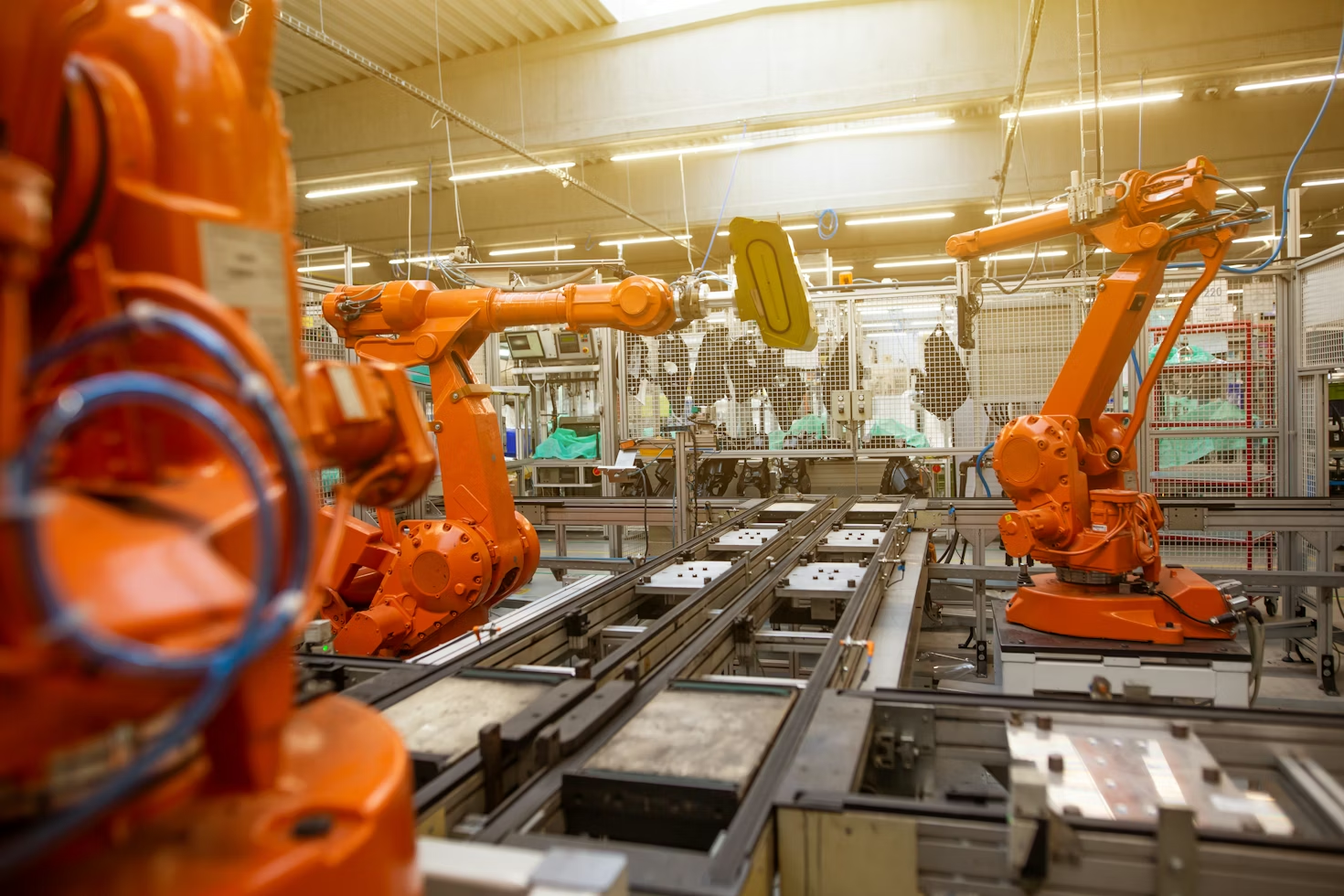
In manufacturing and industrial settings, the same logic applies. A valve is just a valve until it fails at the wrong moment. Then production halts. Deadlines slip. Revenue drops. That’s why companies might prioritise trusting well-known branded Goyen parts like valves and solenoids over unknown alternatives. The higher price often reflects testing, track record, and consistency.
The focus here is on predictability. When your operations depend on components working every single time, the cheaper gamble stops looking attractive, and the reliable source becomes the obvious choice.
Choosing the right suppliers instead of the cheapest ones
There’s a constant temptation to trim supplier costs, especially when your product margins feel tight. It’s easy to think you can just deal with slightly lower quality to protect your bottom line.
But finding the right vendors means looking at reliability, communication, and long-term partnership. A supplier who delivers on time, responds quickly, and stands behind their product reduces friction you don’t even see on a spreadsheet. At the end of the day, working with cheap vendors often costs more in delays, misunderstandings, and do-overs.
Understanding what you are really paying for
When you strip it down, businesses aren’t really paying for simplicity. They’re paying for stability. Consistency. Reduced stress. Whatever you decide to sell online, customers expect reliability. They expect smooth transactions, quality products, and responsive service. If the foundation underneath your business is shaky, no amount of marketing will cover it up.
Spending more upfront can feel uncomfortable. But in many cases, it’s an investment in fewer headaches later. Fewer crises. Fewer panicked phone calls. Don’t think of it as just throwing money at everything. It’s more about recognising where cutting corners creates bigger problems down the line.
Businesses often spend heavily on simple things because failure is expensive. From branding and components to suppliers and storage, higher upfront costs can prevent long-term damage. Paying more isn’t always wasteful. Sometimes, it’s protection against far greater losses.