
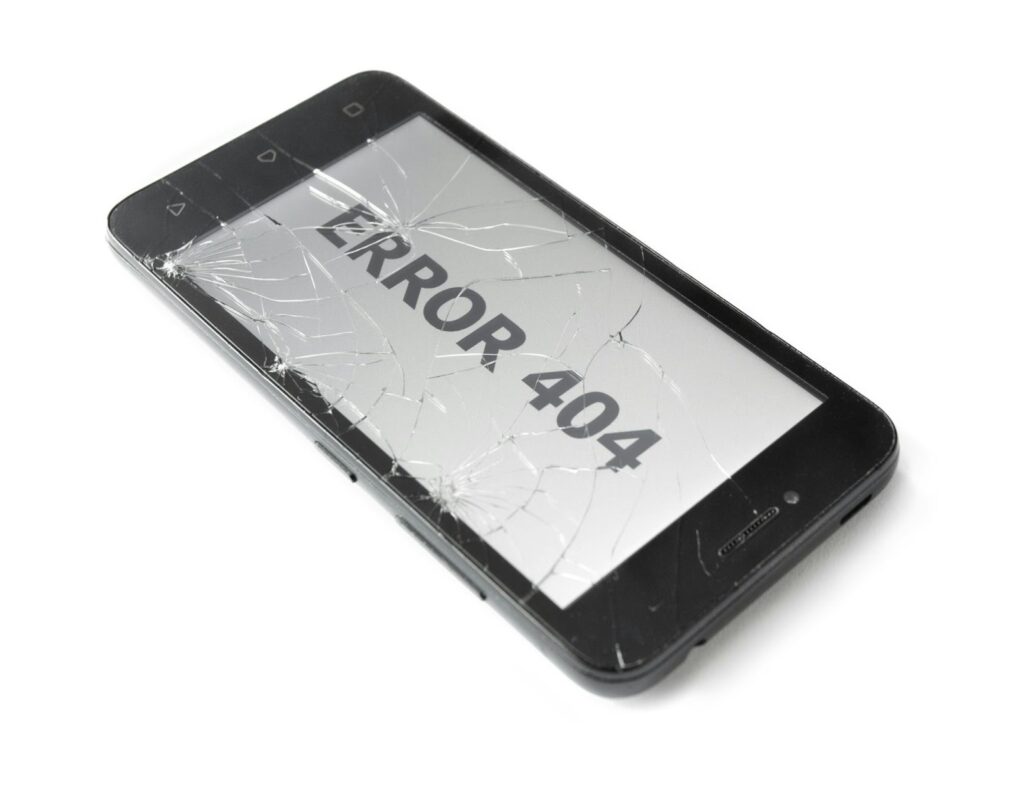
Cellphones have become a big part of our lives. We use them for work, socializing, entertainment, and so much more. But what happens when your workhorse of a device starts acting up? Cracked screens, non-charging batteries, or poor performance may all be signs that it’s time for something new. How do you know when it is the right decision to repair or upgrade to new phones? In this blog, we will look at this decision-making process so you can make an informed choice.
Photo by Kostiantyn Li on Unsplash
Assess Damage
The first step in any process should be assessing the damage. A cracked screen or replacing a dead battery are examples of issues that are repaired quickly and cost-effectively. More serious problems like water damage or motherboard failure may require more extensive fixes and might cost more to fix than they’re worth. Going to a reliable phone repair shop for an estimate is a better bet. If the repair costs surpass 50% of what a new phone costs, it might not be worth your while to do the repair.
Age Matters
Just like other forms of technology, cellphones have an expiration date. On average, phones typically last 4-6 years before becoming obsolete due to software updates and hardware advancements. If your older phone is struggling to keep up with updates or app performance, upgrading might be best for its functionality and for security.
How Often Do You Use It?
For many people, their phone is their lifeline. Even being without it for even one day can seem like an eternity. If your device is acting up and its use for work or communication is important to you, immediate repair may be required even if a replacement will soon follow. Otherwise a repair could add another year or two of life and could well be worth your while.
Weigh the Environmental Impact
Deliberately discarding an old phone may seem like the easy solution, but doing so has an environmental cost. E-waste contributes to pollution and resource depletion. Opting for repairs can reduce carbon emissions or donating it responsibly through organizations that refurbish devices for those in need.
Don’t Forget Warranty Coverage
Before spending money on repairs or a new phone, be sure to first investigate whether it’s still under warranty or covered by insurance. Manufacturer warranties and extended service plans often offer comprehensive protection that covers or at least reduces the financial burden for repairs or replacements. If repairs are free or significantly discounted, then fixing it becomes an obvious choice.
Conclusion
Deciding to repair or replace your cellphone comes down to cost, convenience, and functionality considerations. If a repair is within your budget and it is still a relatively new device, then repairs might be more suitable. However, if the repairs are costly, the device is obsolete, or performance that no longer fulfills your needs is becoming an issue for you, it may be time to upgrade and move on. Assess the situation carefully with clear priorities in mind before making a decision that works with your budget and lifestyle needs. Sometimes calling it quits doesn’t mean admitting defeat. Whether or not that means fixing or replacing something is irrelevant. What matters is staying connected while moving forward together