Most businesses think waste costs are limited to the invoice from the waste contractor. In practice, the spend is scattered across the operation. Time spent moving bins, clearing blocked service yards, dealing with missed collections, and managing health and safety risks all quietly drain resources. These pressures build gradually, which is why they often go unnoticed. When owners finally look closely, they tend to find waste affecting labour, space, compliance, and even customer perception. Real savings begin by seeing waste as an operational process rather than a background service.
Via Pexels
Designing Waste Flow Into Daily Operations
Waste handling works best when it follows the natural movement of people and materials. Problems usually appear where waste is treated as an afterthought. A poorly placed bin can add minutes to every shift. Multiply that across weeks and staff and the cost becomes very real.
Efficient businesses plan waste routes the same way they plan stock flow or customer access. This approach keeps workspaces cleaner, reduces handling, and lowers the chance of accidents. Small layout changes often deliver faster returns than renegotiating contracts.
Reducing Volume Without Disrupting Work
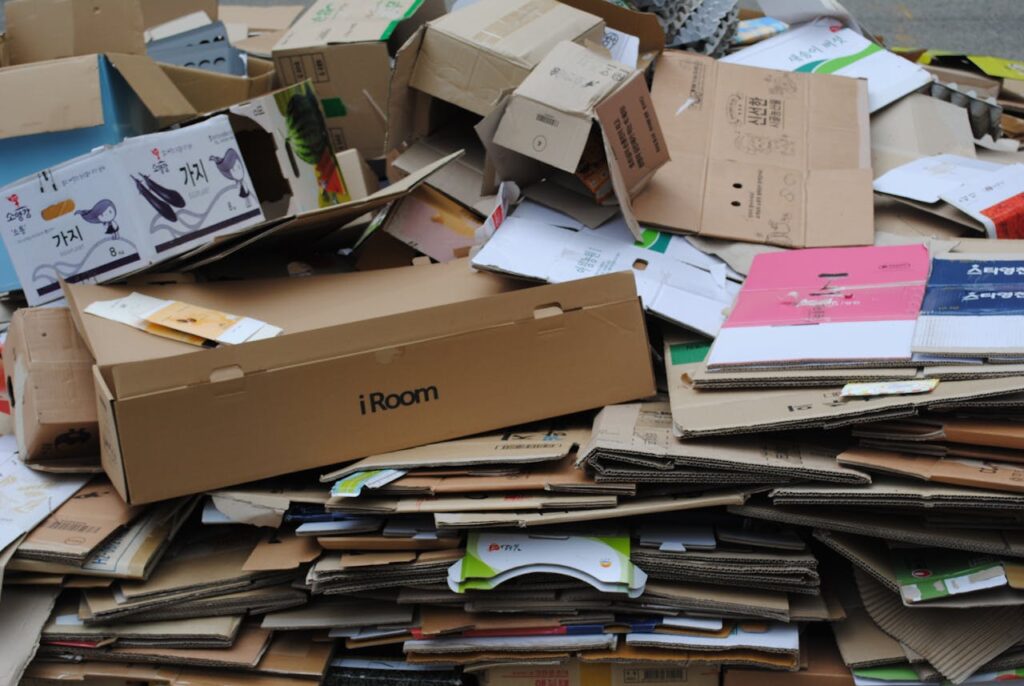
Volume is the quiet driver of most waste bills. The less air being collected, the better the numbers tend to look. Many operations generate large amounts of lightweight packaging that takes up space long before it weighs anything meaningful. Simple actions like flattening boxes properly and training staff to load containers evenly can make a noticeable difference. Some businesses take this further with cardboard baler and compactor rental, which allows waste to be processed on site without slowing down daily activity. The key is choosing solutions that fit the rhythm of the business rather than interrupt it.
Training That Actually Sticks
Waste training often fails because it feels abstract. Staff are told what to do without understanding why it matters. The most effective training connects waste handling to everyday frustrations people already feel. Overflowing bins, unpleasant smells, and cluttered back areas all make work harder.
When employees see that better waste habits improve their own environment, compliance becomes natural. Short conversations on the floor tend to work better than posters in the break room. Consistency from supervisors reinforces the message far more than formal policies.
Smarter Scheduling And Contractor Relationships
Collection schedules are rarely perfect from day one. Businesses change, volumes shift, and seasons affect output. Regular reviews keep services aligned with reality. A site that once needed three weekly collections may no longer require them. Another might need more frequent pickups during peak periods. Contractors respond better when businesses bring clear data and realistic expectations. A good relationship allows adjustments without disruption. That flexibility often prevents overflow issues that lead to emergency collections and extra charges.
Turning Waste Data Into Decisions
Waste data does not need to be complex to be useful. Simple tracking of volumes, collection frequency, and contamination issues can reveal patterns quickly. Many managers notice spikes that line up with promotions, product changes, or supplier shifts. Acting on these insights leads to practical changes upstream. Better packaging choices, adjusted ordering practices, and clearer internal processes all reduce waste before it exists. Prevention always costs less than dealing with the problem later.
Cutting waste management costs does not require cutting corners. It requires attention, honest observation, and a willingness to adjust familiar routines. When waste is managed with the same care as any other operational system, efficiency improves naturally and savings follow without sacrificing standards.