
Obesity is a leading cause of the global burden of disease. Every year, millions of life-years are lost on average because people are overweight due to inactivity, diet, and modern lifestyles. Recently, though, GLP-1 agonists have promised a revolution. These compounds simulate a whole foods, plant-based diet by activating the body’s satiety mechanisms. This causes people to lose weight very quickly, with some drugs now promising up to 20% weight loss.
Weight loss clinics are popping up all over the place to offer this new service to patients looking to shed pounds without having to make massive changes to their lifestyle over long periods of time. They’re also offering pills or injections that bypass conventional plastic surgery options such as liposuction.
But what should entrepreneurs looking to get into this market do if they want to gain an edge over their competitors?
Start compounding GLP-1 medications
One of the easiest and most obvious ways to make inroads into this market is to start compounding GLP-1 medications on behalf of patients. These are often priced at anywhere between $300 and $600 per month and contain additives like B12, B6, or Glycine that further support patients’ health and reduce the risk of gastrointestinal side effects.
The nice thing about compounded medicines is that as an entrepreneur you can market them as being personalized or offering some sort of enhanced care. You are deviating from standard formulations based on the latest available research in medical journals. Compounding ultimately offers patients a mixture of flexibility and affordability combined with better tolerability. It is particularly useful for price-sensitive patients who are always looking for the best possible deal on their GLP-1 related drugs.
Begin research efforts
Another experimental approach for weight loss clinics is to research new compounds, like retatrutide. The GLP-1 agonist world is constantly developing, and new science is becoming available.
It’s clear that first- and second-generation drugs weren’t necessarily the best that could be produced, and that new compounded or hybrid versions may be even better. There are also some breakthrough peptide technologies as AI and other search techniques become more powerful. These are likely to lead to breakthroughs in the future that enable more clinics to offer superior services to their patients.
Medically supervised programmes with ongoing support
Experiential weight loss clinics are also looking at medically supervised programs combined with ongoing support. The idea here is to do more than simply provide patients with drugs and then send them away with a protocol.
For example, personalized approaches include in-home consults or virtual visits with certified physicians. Clinics could also insert regular monitoring through various forms of technology, such as wearable wristbands. Integrated nutrition counseling and exercise guidance is also useful. Many patients using GLP-1 agonists don’t understand how to get the maximum bang for their buck out of these activities. However, clinics that explain them are more likely to gain patient adherence and encourage people to undertake comprehensive lifestyle changes rather than solely relying on the drugs they are prescribed.
Hybrid models like this are widely viewed as being more sustainable because they include coaching and support. They also have tools that assist with dosing and decision support. This whole patient approach builds more loyalty and encourages word of mouth communication in a crowded field.
Convenience-focused models
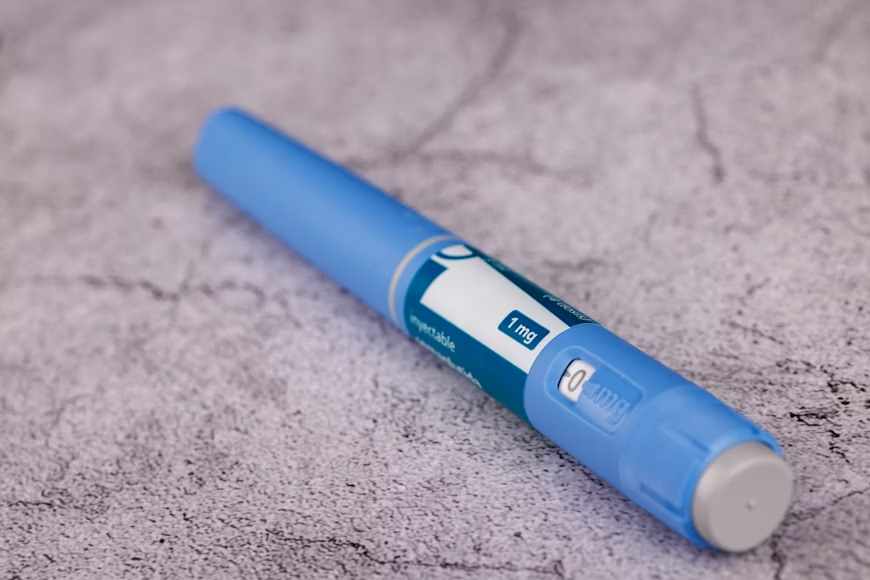
Experimental weight loss clinics are also going in the convenience direction, which is a popular move for any vertical industry. For example, they’re trying to stand out by offering services primarily through telehealth or some sort of associated app. This gives patients easy access to all of the information and services that they need, and even doctors’ consultations, without having to go through the rigmarole of in-person walk-ins.
For others, the goal is to eliminate membership fees. Instead, they’re charging per syringe or tablet. This option gives patients more flexibility. Sometimes, individuals don’t want to go on GLP-1 agonists consistently over many years, which is one of the justifications for subscription fees. Instead, they want to use it periodically when they feel they need it and then not use it at other times.
There’s also the concept of the “metabolic makeover.” The idea here is to provide wellness programs that include aesthetics to transform the body and get it closer to where the consumer wants it to be.
Early off-label access to experimental therapies
Naturally, the most experimental weight loss clinics also want to offer their patients early off-label access to the most experimental therapies currently on the market. These could include triple agonists like Rettatrutide, which shows up to 29% weight loss in some studies, and other multi-receptor drugs. It could also mean the use of monthly dosing options which seem to have a better adherence than weekly shots. Oral formulations are also becoming more popular among needle-averse patients. Many people don’t like injecting themselves every day and would prefer simply to pop a pill, as they would with most other forms of treatment.
Emerging ideas like gene therapies to turn off the body’s fat emulation systems are still experimental. The FDA has not approved any of them as of 2026. Even so, some clinics already look into them and ask whether they could be a possibility for their patients. These emerging ideas are exciting and generate plenty of content and discussion online.
Marketing and branding for superior differentiation
Finally, many experimental weight loss clinics are looking at various marketing and branding strategies that are going to set them apart from the competition. A lot of them are using local SEO for local keyword search terms that indicate high levels of intent. These can generate cash quickly and convert interested prospects into immediate sales. There’s also quite a lot of demand online for educational content concerning how GLP-1 activators work. When brands combine scientific information with emotional storytelling, they create a heady combination that users absolutely love.
Ultimately, the weight loss clinic is expected to grow dramatically over the next few years. Those that are on the leading edge of this trend and that can offer the most effective weight loss therapies are most likely to thrive long-term.