

Table of Contents
- Understanding Specialty Insurance
- Emerging Risks and the Need for Specialized Coverage
- Role of Wholesale Brokers in Specialty Insurance
- Technological Advancements in Specialty Insurance
- Climate Change and Its Impact on Specialty Insurance
- Future Outlook of Specialty Insurance
Understanding Specialty Insurance
Rising economic uncertainties and new types of risks have made it critical for both businesses and individuals to pursue tailored solutions beyond typical insurance policies. Specialty insurance is designed to target unique exposures such as cyber threats, environmental liabilities, or product recalls, situations where standard lines may leave significant gaps.
Traditional coverage is usually built for general needs, which can result in exclusions or insufficient limits for complicated or emerging risks. This is especially crucial for industries that face niche exposures that could result in heavy financial losses if not properly addressed. Specialty insurance stands out by offering the flexibility and custom solutions needed to address these modern challenges.
The specialty insurance market has witnessed considerable growth as organizations adapt to shifting environments and seek ways to close gaps left by traditional insurance offerings. This expansion is a direct response to an evolving threat landscape and the heightened sophistication of claims seen worldwide. With specialized coverage, policyholders gain peace of mind, knowing their most significant risks are covered.
Emerging Risks and the Need for Specialized Coverage
New risks are emerging at an unprecedented pace, from ransomware attacks to gig-economy liabilities. One of the most prominent areas of growth in specialty insurance is cyber liability, as businesses increasingly face the fallout from data breaches and cyber extortion. According to The Wall Street Journal, cyber insurance payouts have risen sharply, reflecting the increasing financial exposure associated with digital operations.
As these threats continue to escalate, there is a notable coverage gap for small and medium enterprises. A recent industry survey found that only about 20 percent of these businesses carry comprehensive cyber insurance. The result is a significant level of unmitigated risk across a large portion of the economy, underlining the urgency of broader, more inclusive specialty policies.
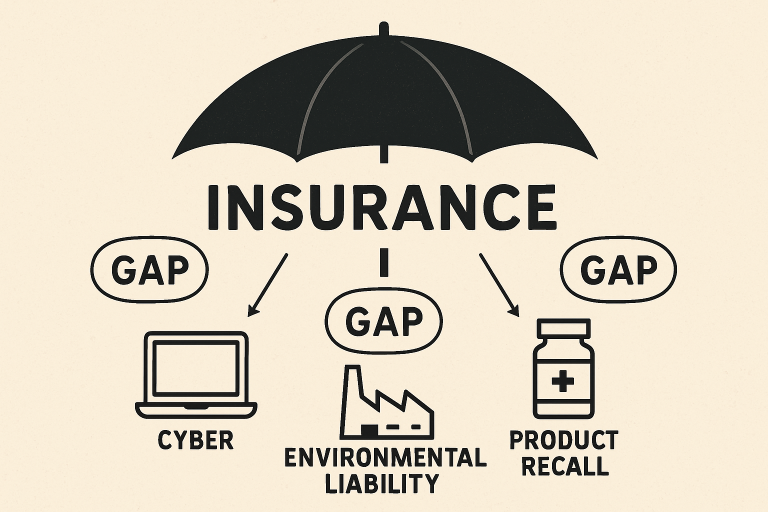
Beyond cyber threats, the surge in professionals offering consulting and digital services has made professional liability coverage a necessity in sectors previously unaffected by such risks. Similarly, stricter regulatory requirements in environmental protection and product safety have fueled demand for pollution, recall, and contingency insurance. Without specialty insurance, businesses may be exposed to lawsuits or losses that could have been managed with bespoke solutions.
Role of Wholesale Brokers in Specialty Insurance
Wholesale brokers are indispensable intermediaries in the specialty insurance industry. Their responsibility is not only to facilitate access to non-standard products but also to help retail brokers and their clients navigate the often complex world of specialty markets. With connections to diverse insurers and underwriters, wholesale brokers provide insurance solutions for risks that traditional carriers cannot accommodate.
This expertise becomes essential for businesses operating in high-risk, regulated, or innovative sectors. Wholesale brokers can also identify gaps in existing programs and recommend enhancements, such as specialty endorsements or standalone products. Their role adds vital transparency and education to the process, ensuring that the solutions are truly appropriate for the insured’s unique exposures. According to Insurance Journal, wholesale brokers’ influence has grown alongside the specialty market, reflecting their pivotal position in shaping coverage decisions.
Technological Advancements in Specialty Insurance
Technology is fundamentally transforming how the specialty insurance sector operates. Artificial intelligence (AI), advanced analytics, and digital risk assessment are being rapidly adopted by carriers to improve underwriting precision. These technologies enable rapid analysis of large volumes of data, producing granular insights that lead to more accurate policy pricing and risk selection.
Moreover, digital innovation is also improving customer service, with online portals enabling faster quoting, binding, and claims handling. Insurtech solutions are facilitating the development of parametric insurance products that offer policyholders near-instant payment when specific, measurable events occur. This growing level of sophistication is setting new standards for both personalized coverage and efficiency in the insurance industry.
Climate Change and Its Impact on Specialty Insurance
Climate volatility has magnified the unpredictability of losses from natural disasters, with events such as wildfires, hurricanes, and floods occurring more frequently and with greater intensity. Specialty insurers are adapting by designing products that address previously unforeseen exposures and by offering solutions that respond swiftly to catastrophic incidents. One example is parametric insurance, which bypasses traditional claims processes in favor of automatic payouts triggered by known factors, such as wind speed or rainfall amount.
Increased awareness of environmental, social, and governance (ESG) factors is also prompting broader coverage of areas such as renewable energy projects and green construction. Specialty underwriters partner with clients to assess climate risks and craft adaptive strategies that help ensure the resilience of assets, supply chains, and communities.
Future Outlook of Specialty Insurance
Specialty insurance is well-positioned to remain at the forefront of risk management, especially as industries grapple with dynamic, complex threats. As technology and analytics tools advance, coverage will become even more tailored, efficient, and predictive. The insurers most likely to succeed will be those that innovate continuously, while maintaining the high-touch, consultative service that specialty insurance buyers expect.
The ongoing evolution of specialty insurance means that placing the right coverage requires a proactive partnership between businesses, retail brokers, and wholesalers. With mounting demand from fast-growing, high-risk sectors, specialty insurers are set to play a pivotal role in delivering solutions that will define the future of risk management.
Photo by Vlad Deep: