Selling a piece of real estate that you own can be a good way to make money and give yourself more options, but it can also be complicated and there are often lots of hidden costs like agent fees, repairs and taxes that make it less of a money spinner than you might have thought before the deal goes through, right?
Well, you know what? It is possible to save money and maximize your returns when selling real estate, and all you need to do is keep reading to find out how.
Start With a Smart Pricing Strategy
One of the biggest money mistakes sellers make is pricing emotionally instead of strategically. Overpricing your property can lead to a longer time on the market, which often means price reductions later, extra holding costs, and buyers wondering what’s “wrong” with the place.
A realistic, well-researched price attracts serious buyers faster, which can save you months of mortgage payments, utilities, insurance, and property taxes. Listen to market data, not just your neighbor who sold “at the peak” three years ago. Fast, clean sales often cost less than slow, stubborn ones.
Fix What Matters (Ignore What Doesn’t)
You do not need to renovate your entire house to sell it. In fact, over-improving is a classic way to burn cash. Focus on repairs that affect value and buyer confidence, not cosmetic perfection.
Fix obvious issues like leaks, broken fixtures, peeling paint, or electrical problems. These signal neglect and give buyers leverage to negotiate hard. On the flip side, that slightly dated kitchen backsplash or the carpet that isn’t Instagram-perfect? Probably not worth replacing. Clean, neutral, and functional beats “brand new but overpriced” every time.
Be Strategic About Your Agent Fees
A good real estate agent can absolutely earn their commission, but that doesn’t mean fees are untouchable. Interview multiple agents, ask exactly what services are included, and don’t be afraid to negotiate.
Some agents offer flexible commission structures, especially in competitive markets. Others may reduce fees if you’re buying and selling with them, or if your property is likely to move quickly. The goal isn’t to go cheap; it’s to get value. Paying less for poor representation can cost you far more in the final sale price.
Then there’s the likes of a flat fee MLS and similar options. These could offer more than a few benefits compared to real estate agents, so they’re worth considering at a minimum.
Time the Sale Like a Pro
Timing really does matter. Selling during a strong market or peak season (often spring and early summer) can mean more competition among buyers, faster offers, and fewer concessions.
On the flip side, selling in a slow market may force you to cover buyer closing costs, accept lower offers, or spend more on staging and incentives. Even waiting a few months can make a meaningful difference in how much money stays in your pocket.
Don’t Forget About Taxes (Seriously)
Taxes are one of the most overlooked areas where sellers lose money. Capital gains tax, depreciation recapture, and state-level taxes can take a sizable bite out of your profit if you’re not prepared.
If you’ve owned rental or investment property, strategies like cost segregation may have already helped you reduce taxable income during ownership by accelerating depreciation. When it comes time to sell, understanding how past depreciation affects your tax liability is crucial. This is where talking to a tax professional can save you far more than their fee ever costs.
Minimize Carrying Costs Before Closing
Every extra day your property sits unsold costs money. Utilities, insurance, HOA fees, lawn care, snow removal – it all adds up quietly.
So, before listing, tighten the timeline. Get inspections done early, line up paperwork, and make sure the property is show-ready from day one. A smooth transaction with fewer delays means fewer ongoing expenses draining your profit while you wait to close.
Stage Smarter, Not Harder
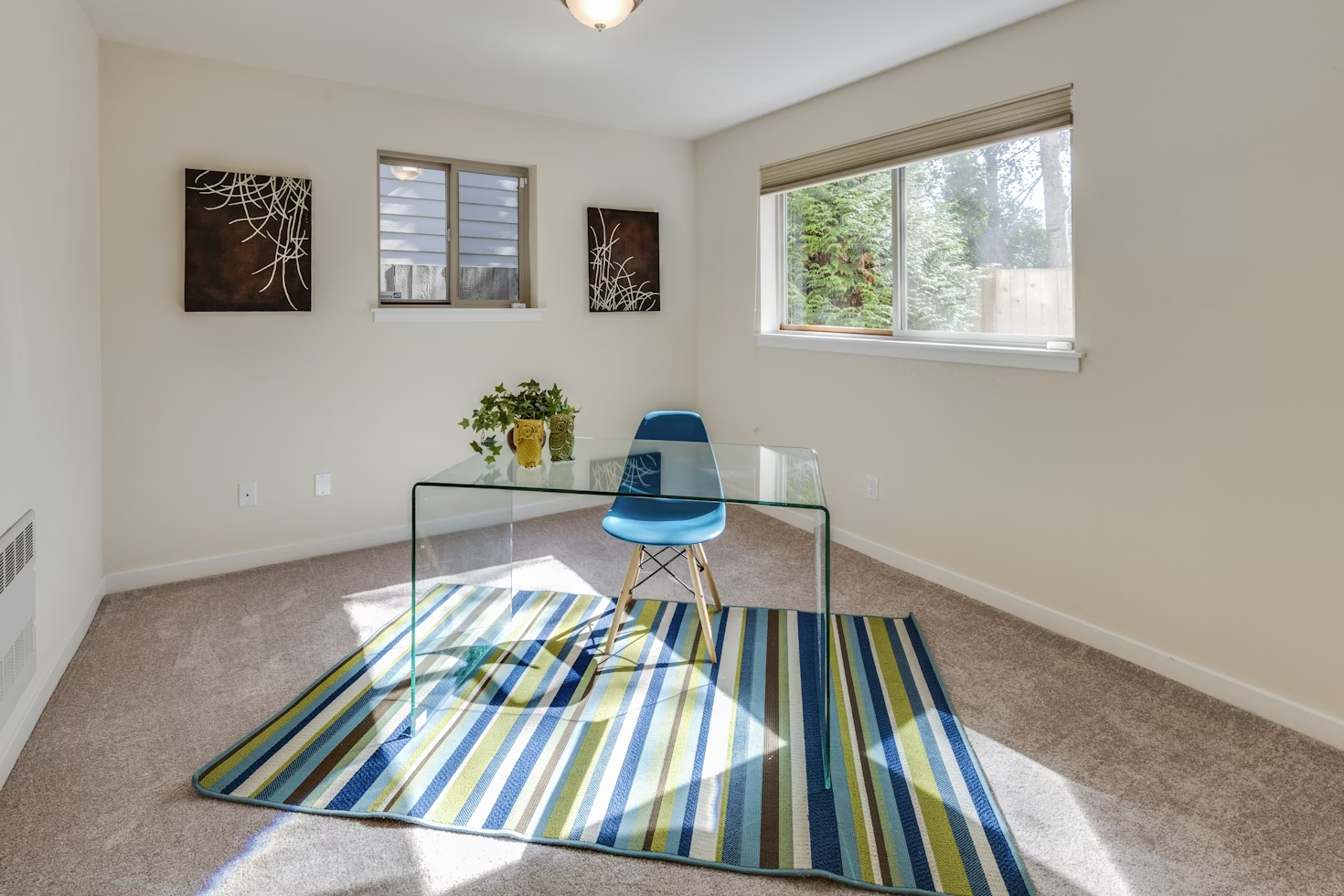
Staging doesn’t have to mean renting expensive furniture or hiring a designer with a clipboard and a scary invoice. Often, simple decluttering, rearranging furniture, and improving lighting can make a huge difference.
If you do invest in professional staging, focus on key rooms: living areas, kitchens, and primary bedrooms. Buyers need to feel comfortable imagining themselves there. Try to remember you’re not decorating for a magazine spread, you’re just trying to create a clean, blank canvas that will sell quickly.
Read the Fine Print on Closing Costs
Closing costs aren’t just a buyer problem. Sellers often pay transfer taxes, title fees, escrow charges, and sometimes buyer incentives. Review every line item carefully and ask questions.
In some cases, you can shop around for certain services or negotiate who pays for what. Even small reductions can add up, especially on higher-value properties.
Selling real estate? It’s time to make savings!