
Table of Contents
- Enhancing Indoor Air Quality
- Reducing Illness and Absenteeism
- Boosting Employee Morale and Satisfaction
- Improving Focus and Mental Clarity
- Preserving Office Assets
- Creating Positive Impressions
- Implementing Effective Cleaning Strategies
Keeping a workspace clean is not just about appearances. In fact, routine cleaning services go far beyond simple aesthetics; they are a strategic investment that can profoundly influence both the health and productivity of everyone in the office. A tidy office is one of the fundamental pillars of a high-performing business environment. For companies that prioritize their employees’ well-being and want to support an efficient, focused workforce, it’s crucial to understand the many ways regular cleaning can make an impact. Businesses striving for a consistently healthy workspace should consider the long-term benefits of professional cleaning, as it directly affects not only cleanliness but also the team’s energy and morale. For those seeking dependable office cleaning in Henderson, tapping into the expertise of a professional cleaning service can be the difference between a stale, uninspired atmosphere and a bright, thriving workplace.
Even simple cleaning routines can have far-reaching benefits for organizations of all sizes. Regular cleaning helps prevent the buildup of germs and bacteria, which, in turn, helps maintain a more motivated, focused, and productive workforce. A clean and organized office discourages bad habits and promotes positive energy throughout the space. As awareness of indoor environmental quality grows, more companies are turning to routine cleaning as a proactive measure. This approach not only safeguards employee wellness but also enhances the space’s aesthetic appeal, contributing to a more favorable reputation with clients and stakeholders. Ultimately, the cumulative benefits of investing in routine cleaning include organizational longevity, employee retention, and customer satisfaction, helping businesses set themselves apart from competitors.
Enhancing Indoor Air Quality
Indoor air quality often goes unnoticed in busy office settings, yet it can significantly affect employee health, comfort, and even productivity. Over time, dust, allergens, and various airborne particles silently settle on surfaces, accumulate in upholstery and carpets, and circulate within ventilation systems. Without regular cleaning, these pollutants continue to build up, contributing to poor air quality and potentially triggering respiratory issues and allergies among staff. Routine dusting, vacuuming with HEPA filters, and diligent HVAC maintenance can substantially reduce airborne irritant levels. The U.S. Environmental Protection Agency notes that improved indoor air quality is linked with fewer health complaints, enhanced comfort, and a generally more productive atmosphere for everyone in the office. Recognizing the value of fresh, clean air can encourage businesses to incorporate air quality monitoring and advanced filtration systems into their regular cleaning regimen.
Reducing Illness and Absenteeism
Shared workspaces, including conference rooms, kitchens, restrooms, and desks, see heavy daily traffic and are notorious for becoming breeding grounds for germs, bacteria, and viruses. Routine cleaning of high-touch areas such as doorknobs, elevator buttons, light switches, keyboards, and breakroom equipment is vital in limiting the spread of illnesses. Regular disinfecting practices can drastically reduce the transmission of pathogens that cause common colds, flu, and even more severe diseases, leading to fewer sick days and less workflow disruption. For larger offices or businesses with open floor plans, this can lead to significant cost savings by reducing absenteeism and maintaining consistent employee productivity. Adopting these cleaning protocols aligns closely with the Centers for Disease Control and Prevention (CDC) health and safety recommendations, making it an indispensable part of any well-rounded risk management or occupational health program. With fewer staff absences, work schedules stay on track, teams remain cohesive, and clients continue to receive exceptional service.
Boosting Employee Morale and Satisfaction
Clean, well-maintained workspaces have a powerful effect on employee morale, shaping how staff members perceive their work environment and employer. When a company commits to consistent cleanliness, it sends a clear message that employees’ health, safety, and comfort are its top priorities. This sense of value and respect often translates into greater job satisfaction and higher retention rates, as workers are more likely to take pride in their roles and appreciate the measures taken to support their well-being. Furthermore, an orderly, pleasant space fosters a culture of organization, encouraging employees to keep their own desks and shared areas tidy. These positive habits can become ingrained over time, fostering mutual respect across teams and departments. Employers may also notice that staff are more cooperative, proactive, and supportive when they feel cared for, which in turn can lead to a more vibrant workplace culture and happier employees.
Improving Focus and Mental Clarity
Clutter and disorganization are more than just unsightly; they can interfere with employees’ ability to concentrate on essential projects and tasks. When workspaces are filled with unnecessary items, dust, and disorder, it becomes challenging for team members to remain focused and mentally sharp. A regularly cleaned environment minimizes distractions, making it far easier for staff to focus on meaningful work. According to psychologists, tidy environments help reduce mental clutter and stress, supporting improved mood, creativity, and problem-solving abilities. Clean surroundings also foster a professional mindset, assisting employees to maintain momentum and deliver high-quality results even on demanding days. Not only does this boost individual output, but it also leads to stronger team collaboration and overall organizational excellence.
Preserving Office Assets
Businesses invest in high-quality furniture, carpeting, electronics, and equipment to create an effective, professional environment. However, the value of these assets can quickly diminish if regular maintenance is neglected. Dirt, debris, coffee spills, and dust buildup will eventually wear down surfaces, fade fabrics, and clog sensitive electronics, resulting in premature wear and the need for expensive repairs or replacements. A consistent and thorough cleaning schedule not only removes these hazards but also helps extend the lifespan and appearance of office resources. This practice ultimately saves money, supports sustainability efforts by reducing waste, and maintains a polished, welcoming office space for both staff and guests. Well-cared-for assets also project an image of stability and responsibility, which is essential in building trust with stakeholders and visitors.
Creating Positive Impressions
The level of cleanliness is one of the first things clients, prospective employees, and partners notice when they step into a workplace. A spotless and organized office radiates professionalism and meticulousness, making a strong, lasting impression before a word is even exchanged. Clean environments demonstrate a business’s commitment to quality, discipline, and customer care, setting the stage for successful meetings and negotiations. On the other hand, a messy or neglected workspace can undermine confidence and erode trust, potentially leading to lost opportunities or negative reviews. By showcasing an immaculately kept workplace, organizations highlight their dedication to high standards and attention to every detail, which can become a powerful differentiator in a competitive market.
Implementing Effective Cleaning Strategies
For businesses hoping to maximize the benefits of routine cleaning, putting well-structured plans into action is the key:
- Develop a Cleaning Schedule: Assess your office’s unique layout and usage patterns to establish a cleaning routine that targets the areas with the most foot traffic and exposure to germs.
- Focus on High-Touch Areas: Identify frequently touched surfaces and prioritize them for disinfecting multiple times throughout the day, especially during flu season.
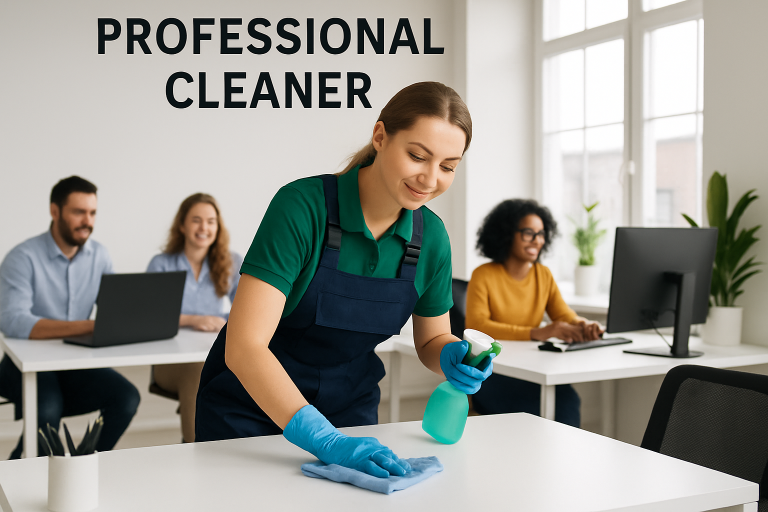
- Use Professional Services: Hiring trained cleaning professionals ensures that every nook and cranny is addressed using the latest techniques and equipment, which might otherwise be missed with basic daily tidying.
- Encourage Employee Participation: Cultivating a culture in which staff feel responsible for cleanliness empowers individuals to keep their own desks and shared spaces neat, further supporting collective efforts to maintain hygiene standards.
By integrating these cleaning strategies, businesses can establish routines that reinforce health, safety, and aesthetic appeal throughout the workplace. This not only safeguards employee well-being but also sets the tone for productivity, engagement, and long-term business success, benefiting all who interact with the organization.
Photo by Pixabay: