Millennials and Gen Z are not drinking alcohol, and this is no longer a fringe trend or a temporary phase. It’s a powerful cultural shift that is reshaping wellness habits, social life, and the global beverage industry itself.
Over the past four years, beer, wine, and spirits companies have reportedly lost an estimated $830 billion in market value, a clear signal that younger generations are not simply cutting back—they are opting out. What was once considered a social norm is now being questioned, redefined, and, in many cases, replaced with alcohol-free lifestyles rooted in clarity, balance, and long-term health.
This isn’t about restriction.
It’s about intention.
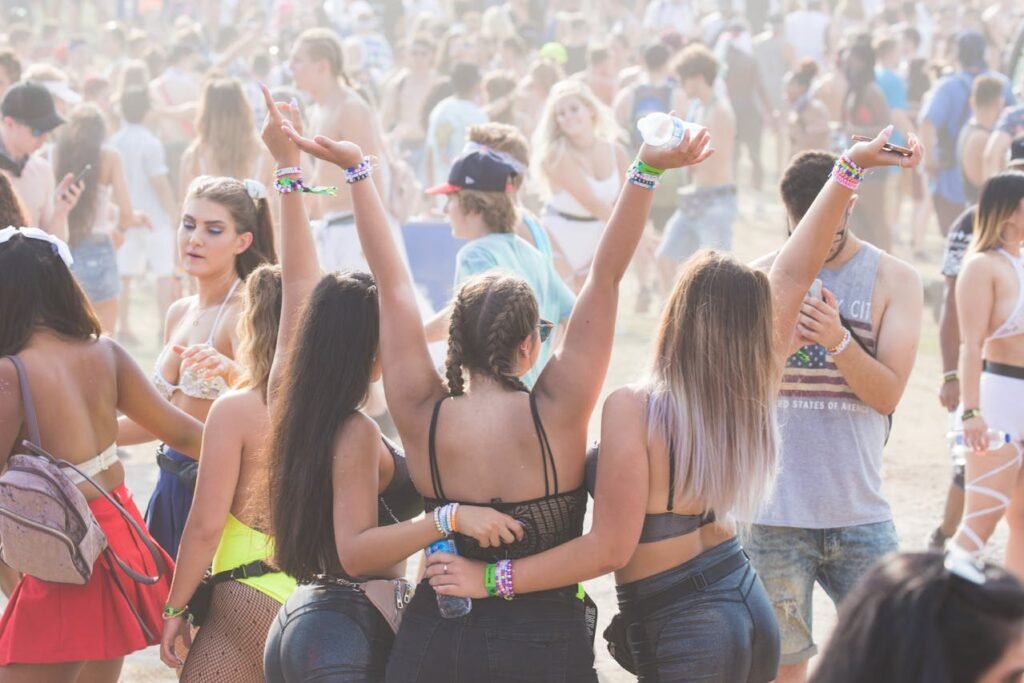
Photo by Wendy Wei:
Why Millennials and Gen Z Are Not Drinking Alcohol
Millennials and Gen Z are not rejecting connection or fun—they’re redefining what it means to feel good, stay present, and live well. Below are the five key reasons behind this wellness-driven shift.
1. Wellness Comes Before Social Pressure
For younger generations, wellness is no longer a luxury—it’s a foundation. Millennials and Gen Z are not drinking alcohol because they prioritize how they feel the next day, not just how they feel in the moment.
Alcohol’s effects on sleep, inflammation, energy levels, and overall vitality are widely discussed and well understood. Choosing not to drink is increasingly seen as an act of self-respect, not deprivation.
2. Mental Health Is a Non-Negotiable Priority
Mental health awareness plays a major role in why Millennials and Gen Z are not drinking alcohol. Anxiety, depression, burnout, and emotional fatigue are openly discussed—and alcohol is no longer viewed as a solution.
Many young adults recognize that alcohol can worsen anxiety, disrupt emotional regulation, and amplify stress rather than relieve it. Sobriety, or alcohol-free living, is often chosen as a way to protect mental clarity and emotional stability.
3. Alcohol Conflicts With Fitness and Weight Goals
Fitness culture, body awareness, and metabolic health are central to younger lifestyles. Alcohol’s empty calories, impact on hormones, and interference with recovery make it incompatible with health goals.
As Millennials and Gen Z are not drinking alcohol, they are aligning their choices with strength, energy, and long-term wellbeing—not short-term indulgence.
4. Cannabis and Plant-Based Alternatives Are Preferred
In regions where legal, cannabis and plant-based alternatives have become socially accepted options for relaxation and connection. These alternatives are often viewed as gentler on the body, more intentional, and less disruptive than alcohol.
This shift further explains why Millennials and Gen Z are not drinking alcohol—they have access to options that better align with their wellness values and lifestyle choices.
5. Alcohol-Free Socializing Is Now Normal
One of the biggest changes is cultural: alcohol-free socializing is no longer awkward or rare. Mocktail bars, zero-proof spirits, alcohol-free wines, and wellness-focused events are now mainstream.
Millennials and Gen Z are not drinking alcohol—and they no longer feel the need to explain it. Social experiences are centered on connection, creativity, and presence rather than intoxication.
How the Alcohol Industry Is Responding
Major alcohol brands are taking notice. Across the industry, companies are:
- Cutting operational costs
- Restructuring leadership
- Launching alcohol-free and low-alcohol product lines
- Investing in wellness-adjacent branding
- Acquiring or partnering with non-alcoholic beverage startups
Despite these efforts, analysts warn that the era of effortless growth may be over. The modern consumer wants transparency, purpose, and alignment with health values—not just a buzz.
Wellness Is the New Status Symbol
Choosing not to drink is no longer seen as boring or antisocial. In fact, sobriety and alcohol-free living are increasingly viewed as signs of self-awareness, discipline, and empowerment.
For many, wellness now means:
- Better sleep
- Clearer thinking
- Emotional balance
- Authentic social experiences
- A stronger connection to self
This mindset reflects a broader wellness movement influencing everything from food and fitness to mental health and emotional healing.
What This Means for the Future
The fact that Millennials and Gen Z are not drinking alcohol doesn’t signal the end of social culture—it signals evolution. The future belongs to individuals and brands that understand that true luxury is feeling good in your body and mind.
At Pump It Up Magazine, we celebrate this shift toward conscious living, intentional choices, and holistic wellness—because feeling good isn’t a trend. It’s a lifestyle.
✨ Ready to explore a healthier, more balanced way of living?
Discover wellness tools, emotional release sessions, and holistic support designed to help you feel your best—mind, body, and spirit.
👉 Book your wellness session today:
🌿 www.westendorganix.com
Release stress. Reclaim balance. Choose wellness.