
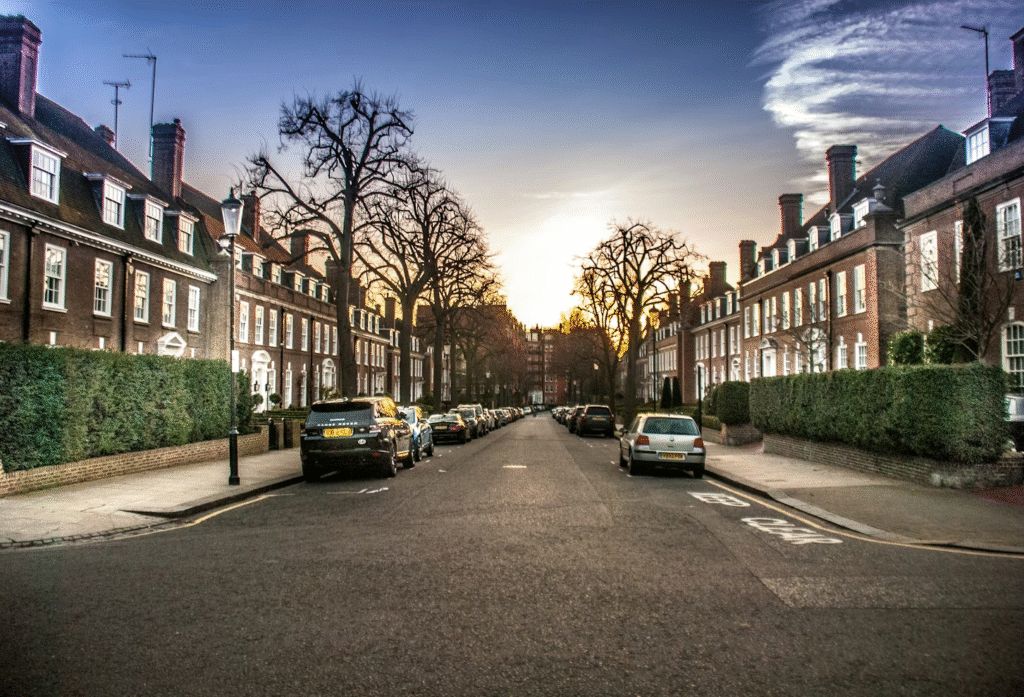
There’s a moment that a lot of people reach where something just feels off about their home. Your house hasn’t changed. The street looks the same. The local shops are still there. But the place that once felt like home suddenly feels a bit tight, a bit noisy, or just not quite right anymore.
It’s a strange feeling, because nothing is technically wrong with the way you’re living your life. The neighbourhood is generally great, you live near people that are pleasant, and you know all the best spots to go shopping and eat.
But life changes, and sometimes your surroundings don’t keep up with you. Outgrowing a neighborhood isn’t always dramatic. Often, it happens quietly, over time, until one day you catch yourself scrolling property listings just to have a look.
Source: Unsplash (CC0)
When life changes faster than you expect
One of the biggest reasons why people start questioning their neighbourhood is simple life progression. Jobs change, routines shift, priorities evolve. You might’ve been comfortable living your current life a couple of years ago, but people always change. What worked a few years ago doesn’t always work now.
This is especially true when you’re starting a family. Suddenly, things like schools, green space, noise levels, and safety feel a lot more important than they ever did before. Late nights and busy streets that once felt exciting can start to feel exhausting. That doesn’t mean the area is bad, it just means it might not suit this stage of life anymore.
Realising your home no longer fits your lifestyle
Sometimes it’s not the neighbourhood itself, but how your home fits into it. You might find yourself wanting more space, a garden, or just a bit of breathing room. Or maybe you’re craving better transport links or a shorter commute.
We tend to forget about these kinds of inconveniences because you just deal with them. Workplace too far? Just suck it up and get on the next train. Nearest supermarket not in walking distance? Get used to driving, you can carry more in the trunk anyway. These are the kinds of things we just get used to, but life can be so much more convenient.
This is usually when people start thinking more seriously about what people look for in a home. Storage, layout, nearby amenities, and long-term flexibility suddenly matter a lot more. When your current place keeps feeling like a compromise, it’s often a sign you’ve outgrown it.
The emotional side of considering a move
Outgrowing a neighbourhood can come with guilt. You might love your neighbours, have memories tied to the area, or feel like you should be grateful for what you have. That emotional pull can make it harder to be honest with yourself.
At the same time, staying somewhere that no longer fits can quietly drain your energy. Feeling unsettled in your own space affects daily life more than people realise. A move isn’t about chasing something better for the sake of it, it’s about finding a place that supports how you actually live now.

Source: Unsplash (CC0)
Practical questions that start creeping in
Once the idea of moving feels real, practical thoughts tend to follow. Money, timing, and effort all come into play. This is when things to consider before selling start to stack up in your head. Market conditions, costs, and how disruptive the process might be can feel overwhelming.
This is where things can take a turn for the better. When you start reasoning with yourself and convincing yourself that it can be a good idea, then you’re far more likely to take the plunge to do something that could shake up your life in a positive way. But with that said, you shouldn’t think of it like a light switch that you just flick and then things are just suddenly better. It takes a lot of time, effort, and even a bit of research to answer all of those practical questions.
Some people explore options for selling a home quickly, especially if they’re keen to move on without months of uncertainty. Others take a slower approach, weighing up every possible outcome. There’s no right or wrong pace, just what feels manageable.
Improving what you have versus moving on
Not everyone who outgrows a neighbourhood actually moves. Some people try to make their current home work better first. Extensions, layout changes, or renovating your home for more value can sometimes bridge the gap, especially if the location still works.
But renovations only solve part of the problem. If the issue is noise, lack of green space, or the general feel of the area, improving the house itself might not be enough. It’s worth being honest about whether changes would genuinely fix the problem or just delay it.
And like we’ve already mentioned, sometimes that need for a bigger home comes because of things like starting a family. You can’t really raise a family in a small house with no space, and we all want to give our kids the perfect lifestyle growing up. So if you’re in that kind of a situation, it’s time to start thinking about the future and getting a home that suits not just your current needs, but also your future ones.
Thinking ahead to the next chapter
Moving house is stressful, but it can also be a reset. A chance to choose differently, plan better, and maybe even save money when you move house with smarter decisions and fewer compromises.
Outgrowing a neighbourhood doesn’t mean you’ve failed at choosing the right place before. It usually means you’ve grown. Priorities change, needs shift, and that’s completely normal. The key here is listening to that feeling rather than ignoring it. Sometimes the hardest part isn’t moving, it’s admitting that the place you once loved might not be the place you need anymore.
So in conclusion, it’s definitely possible to feel like you’re outgrowing your neighbourhood–and that’s okay. Sometimes, people need to move on so they can spread their wings and achieve things in life that they really care about. It’s just how things are, so don’t deny yourself that possibility.