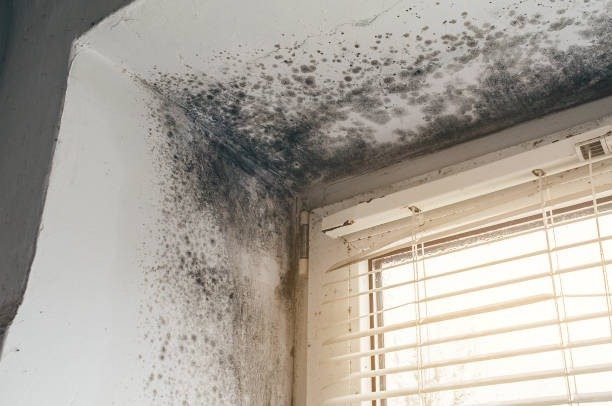
Keeping your house mold-free is essential to ensure your rental stays safe and healthy. However, since this fungus thrives in dark and damp places, it also means you have to be on alert constantly, especially in spaces like your bathroom or basement that receive less ventilation and sunlight. That’s why Bay Property Management Group Austin Texas suggests to invest in professional mold remediation to ensure safety and compliance.
Still, there are a few DIY solutions to get rid of mold. Which means you don’t always have to break the bank by calling in expensive experts at the first sign of moisture. With these quick and easy cleanup methods, you can stop the mold in its tracks.
Legal Obligations of Landlords with Mold
Before you begin any cleanup, it’s important to understand what you’re legally required to do about mold. In many states, mold problems fall under habitability laws, which means landlords must keep their rentals safe, clean, and free from conditions that could harm their renters. Since mold is known to cause mild to severe health challenges, it’s definitely included in the landlord’s responsibilities.
In other words, as a property owner, you must do everything in your power to ensure your rental unit’s structure discourages mold growth. That includes tasks like fixing a leaky roof, replacing burst pipes, and providing adequate ventilation fans or AC units. If your apartment has mold, it is important to conduct regular inspections in high-risk areas.
However, the situation becomes more complicated if the mold results from a tenant’s negligent behavior. For instance, if you’ve provided lines for drying clothes outside and they still do it indoors without cleaning up the spills or opening the windows, it can create the perfect conditions for mold. In such circumstances, you may hold such a renter financially responsible for the cleanup costs.
Assessing the Area Before Cleanup
Size of the Space
Speaking of clean up, before grabbing your fans and white vinegar, it’s essential to evaluate the task at hand before you begin. As recommended by experts, small areas under 10 square feet are typically safe for DIY cleaning. If you believe the mold infestation is greater than that, it would be best to call in the pros.
Also, if the mold spreads across drywall or affects your carpeting, then the problem is most likely already deeper than you can see, thanks to the porous material. That’s why long-standing moisture issues or widespread discoloration are usually best left to certified remediation professionals who can test, clean, and repair the area safely.
Hidden Mold Risks
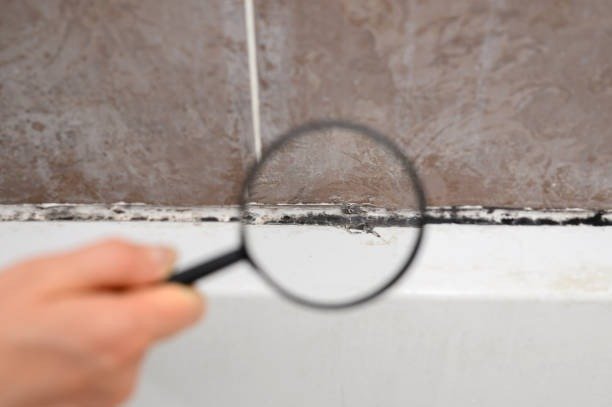
Remember that visible mold is only part of the problem. Since mold also thrives in dark, damp, and undisturbed spaces, it can also grow behind surfaces you’d never think to look. Some areas it would be best to check for hidden mold include behind your drywall and baseboard, especially if the wall feels damp or soft. You can also check underneath your carpets and flooring, where trapped moisture can cause discoloration, particularly if there’s a history of flooding. Don’t forget the ductworks of your HVAC system and crawl spaces in your attics, where limited ventilation makes the condition in these spaces perfect for mold growth.
4 Steps in Preventing the Recurrence of Mold
Control Humidity Levels
Reducing the humidity in your home can go a long way in preventing mold, particularly if you live in warm or humid climates. To that end, many landlords find a dehumidifier as a great investment. You can place this appliance in spaces prone to mold growth, such as bathrooms and basements, to keep the temperature cool and the environment mold-free.
Ensure Proper Ventilation
Limit moisture in mold-prone spaces by optimizing ventilation. When possible, advise tenants to leave the windows open to allow humid air to escape and dry wet surfaces. You can also keep an exhaust fan running in your bathrooms, especially after showers, to clear the steam and moisture. However, if you’re already seeing signs of mold, you’ll need to treat it before ventilating the spaces to prevent the mold from growing. Undiluted white distilled vinegar and 3% hydrogen peroxide are excellent solutions you can spray on the area to demoldify your home. Ensure you let it sit for at least 30 minutes before scrubbing, and then ventilating the room properly.
Fix Water Leaks
Discourage mold from growing by preventing water leaks around the house. Those small drips of water behind your toilet and around sink pipes provide enough moisture for mold to grow over time. In other words, you need to proactively inspect your plumbing and check behind appliances such as refrigerators and dishwashers for condensation buildup.
Clean and Dry Damp Surfaces Promptly
Encourage your tenants to wipe down bathroom tiles, kitchen counters, and any surface that frequently gathers condensation. Within 48 hours or sometimes less, mold can start growing if the conditions are perfect. Stay on high alert, and avoid habits that encourage an infestation, such as drying clothes indoors, letting spills sit for long, and ignoring complaints about leaks.
Conclusion
Mold is more than an eyesore; it’s also a danger to your tenant’s health and well-being. That means it’s your responsibility as a landlord to ensure your property is structurally sound and to prevent the creation of the right environment for mold growth. However, if you notice small patches, you can use easy DIY methods to curb the infestation. Just remember to check for hidden mold to ensure you’re not underestimating the situation. You can also be proactive by fixing leaks, controlling humidity, and improving ventilation in your home.