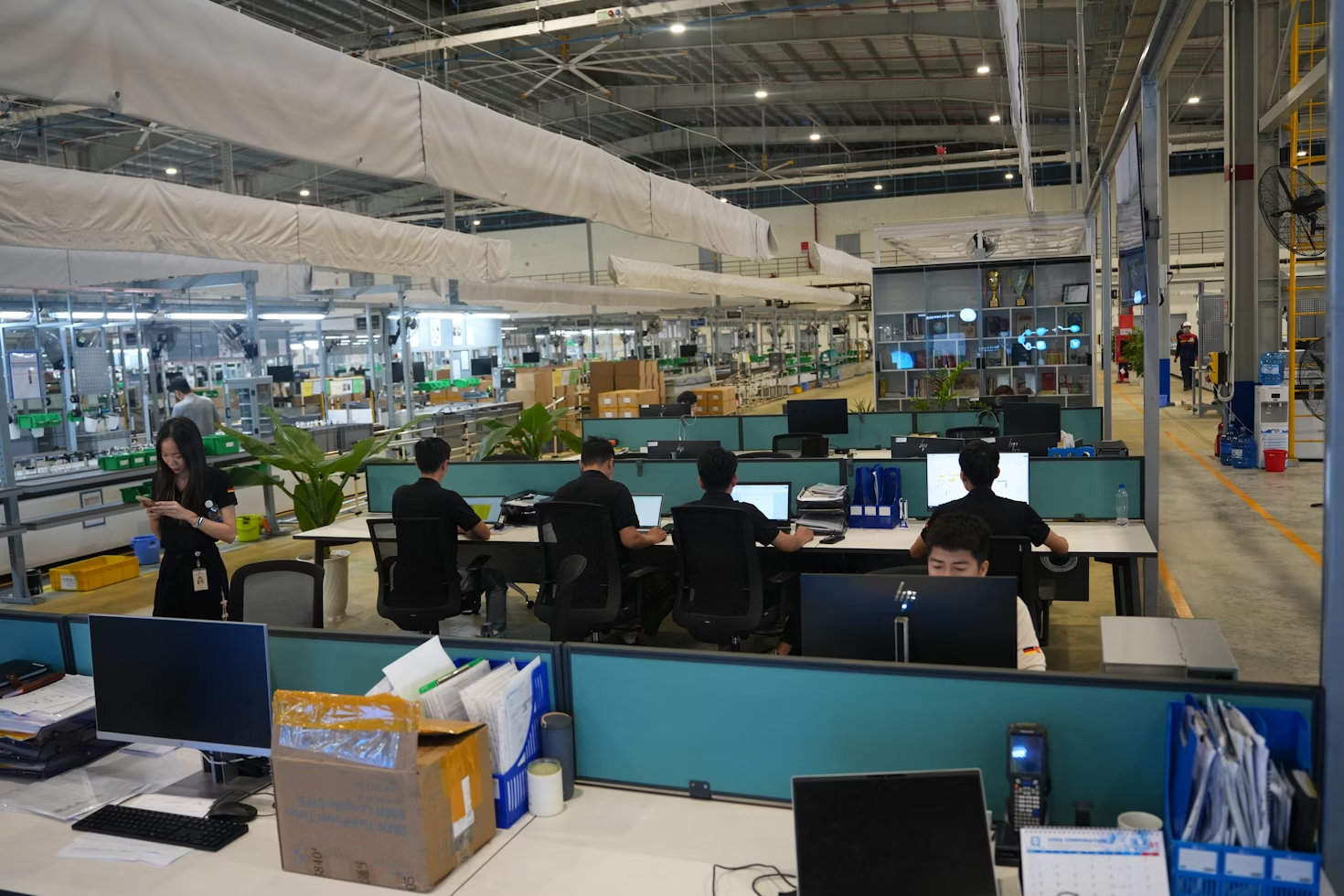

For years, the storyline was basically set in stone, right? Truck driving wouldn’t last because self-driving was coming, factories would be automated into oblivion, fulfillment centers would turn into robot-only warehouses, and physical jobs would be the first to go. That was the whole narrative, and it sounded believable, so people planned around it. Which, well, that makes total sense. So, of course, you’re going to progress in your career without any worries.
But as you’ve seen for yourself, AI just came out of nowhere, and it seems to be after admin work, marketing, design, writing, junior roles, and all those “computer and deadline” tasks people thought were safe because they weren’t physical or repetitive in the classic way. Well, there’s all of that, but adding another layer to this, now companies are being sold this idea that AI equals savings, fewer staff, faster output, and higher margins, and it’s hard not to notice how many businesses are leaning into that mindset pretty aggressively.
It’s hard to pivot, but can you actually manage?
Aim for Work that Has Real-World Friction
When people say “AI-resistant,” it can sound like searching for a magical safe job, and that’s not really the point. But sure, if you want something where no AI is involved, there are still jobs like that, too. But this is actually more about choosing work that’s harder to replace because it happens in real environments, with real variables, and real consequences. Yes, AI can do a lot, but it can’t show up at a building with a weird layout, a problem nobody described correctly, and a timeline that’s already behind.
Like, it can’t physically assess what’s going on, make judgment calls when things don’t fit perfectly, or take responsibility for the outcome in a way that feels reassuring to a customer. Yeah, tech companies are pushing that “in due time they can” but honestly, unless it’s like a robot like Rosie from The Jetsons, it probably won’t be happening anytime in the near future.
You Can Make the Pivot Feel Doable
Well, how do you want to pivot in all of this? Which, honestly, a lot of people get stuck right here, because the first instinct is to try to overhaul everything at once. Which makes sense, like it’s not uncommon for people to consider a new career, new skills, new direction, new identity, and it turns into this giant mental pile that never gets started. It helps to think smaller, not “change my whole life,” but “start building options.” Now, this obviously depends on your industry and what you do in general (and what you want to do in the future).
That could mean one course, one certification, one skill ladder, or one clear path that can turn into paid work later. But some people just drop white-collar work and go for something more trade-oriented, like carpentry career training for women, which is becoming a lot more common, beauty-oriented careers are on the rise, and there’s plenty of other examples too. You don’t need to go all in for a new career, but this is what a lot of people do if they have the resources to do it (and going to school or training can be a major challenge).
Try to Stack Skills
Well, the scary part of AI isn’t just replacement, it’s how it chips away at jobs. Well, honsrly both are really scary. But one task gets automated, then another, then another, and then people get replaced with a subscription, right? If you have a very niche speciality, then that alone does help prevent you from being replaced, like if you have a license in something that’s hard to get in an industry with a lot of regulations, for example. It can even help to have clients that directly trust you, because good luck to a company that lays you off for AI, they’re usually kicking clients to the curb too.