

Key Takeaways
- Understanding the impact of borrowing on financial health.
- Implementing strategies to manage and reduce debt.
- Utilizing tools and resources to enhance financial literacy.
Table of Contents
- Understanding the Impact of Borrowing
- Strategies for Responsible Borrowing
- Building and Maintaining a Healthy Credit Score
- Avoiding Predatory Lending Practices
- Leveraging Financial Education Resources
- Creating a Personalized Financial Plan
- Monitoring and Adjusting Your Financial Strategies
- Conclusion
Developing smart borrowing habits is critical for achieving and maintaining true financial wellness. Borrowing often feels like an immediate solution for cash flow issues or investment opportunities, but it introduces obligations that require careful management. Embracing positive habits helps individuals secure a better future, manage debt, and improve overall creditworthiness. It is essential to know the options available to you, such as MaxLend, and how borrowing decisions today can affect your long-term financial health.
Many people underestimate the impact that borrowing decisions have on their finances. Each loan and credit line comes with both advantages and responsibilities. Understanding these factors sets you on a path to better debt management, improved credit scores, and financial stability. Responsible borrowing habits, backed by sound research and careful planning, can keep you in control, reduce stress, and help you achieve your goals sooner.
Recent studies show Americans spend close to 30 percent of their monthly budgets on debt repayment. This statistic highlights the far-reaching influence of borrowing in everyday life and the importance of making informed decisions when taking on new debt. Whether you are looking to consolidate debt, finance a large purchase, or bridge an income gap, smart borrowing is essential to avoid common pitfalls and setbacks.
Resourcefulness and awareness play integral roles in building a strong financial foundation. Leveraging both online tools and professional guidance enhances your financial literacy and empowers you to make wise choices throughout life’s many stages. As you navigate loan options and repayment strategies, remember that small actions lead to lasting benefits.
Understanding the Impact of Borrowing
Borrowing money can be empowering, but it is a financial tool that requires oversight and strategic planning. While loans and lines of credit make it possible to handle emergencies or invest in a home or education, they come with long-term effects. Poor debt management and high interest, especially with credit cards and payday loans, can lead to financial strain and increased stress. According to CNBC reporting, paying off debt and avoiding bad debt should be top priorities for all earners, regardless of income level.
Financial obligations can also impact your ability to save, invest, and enjoy peace of mind. Recognizing the ways that borrowing decisions affect your daily life, monthly budget, and long-term goals will help you make more effective choices.
Strategies for Responsible Borrowing
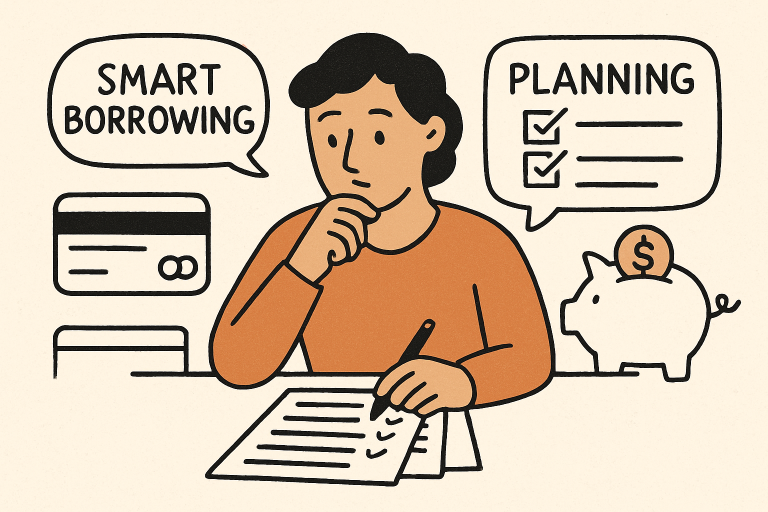
Practicing responsible borrowing protects you from unnecessary financial hardship. Successful strategies include:
- Assess Your Needs: Ask yourself if the loan is essential and how it fits into your broader financial goals.
- Compare Loan Options: Research several lenders and products to secure the lowest possible interest rates and best terms.
- Understand the Terms: Read the whole agreement, including repayment schedule, annual percentage rate (APR), and any penalties or fees.
- Borrow Within Your Means: Only take on debts that you can afford to repay without disrupting your essential expenses.
Implementing these habits helps you avoid excessive debt and ensures repayments do not become a burden.
Building and Maintaining a Healthy Credit Score
Your credit score is critical for qualifying for favorable loans and lower interest rates. Best practices for cultivating a healthy credit profile include:
- Pay Bills on Time: Payment history is the most critical factor in most credit scoring models.
- Keep Credit Utilization Low: Ideally, use less than 30% of your total available credit across all accounts.
- Monitor Credit Reports: Regularly review your credit reports for errors, which you can dispute with the credit bureaus.
By actively managing your credit, you position yourself for better lending terms and increased financial opportunities. More insights can be found on Outlook Money.
Avoiding Predatory Lending Practices
Predatory lenders commonly exploit individuals in urgent need by offering quick cash at extremely high interest rates and with unfavorable repayment terms. To avoid these traps:
- Research Lenders: Opt for well-reviewed, reputable lenders with established businesses.
- Read the Fine Print: Carefully inspect loan documents for hidden fees, prepayment penalties, or misleading clauses.
- Seek Alternatives: Consider credit unions, government programs, or nonprofit organizations if traditional banks cannot meet your needs.
Steering clear of predatory lending helps safeguard your financial stability and prevents you from falling into debt cycles.
Leveraging Financial Education Resources
Financial education is the foundation of strong borrowing habits. Accessible resources range from free online courses and workshops to government-supported educational programs. According to research published on arXiv, improved financial literacy directly correlates with better financial decision-making and overall financial health.
Making use of these resources equips you with the knowledge needed to compare rates, understand contract terms, and avoid common pitfalls in personal finance.
Creating a Personalized Financial Plan
A personal financial plan ensures every decision aligns with your actual situation, needs, and aspirations. Essential steps include:
- Set Clear Goals: Decide what you want to accomplish, such as reducing debt, saving for a home, or planning for retirement.
- Budget Wisely: Allocate your income into categories for living expenses, savings, debt payments, and discretionary spending.
- Establish an Emergency Fund: Build savings to cover unexpected expenses and reduce dependence on high-interest borrowing.
A concrete financial plan provides direction and structure for every borrowing decision.
Monitoring and Adjusting Your Financial Strategies
Financial plans and budgets must evolve as your life changes. Here’s how to keep your strategies effective:
- Track Spending: Use mobile apps or spreadsheets to keep tabs on your expenses and spot areas for improvement.
- Review Credit Reports: Remain proactive by monitoring your credit and addressing errors or issues when they arise.
- Adjust Plans as Needed: Update your strategies if your income changes, expenses increase, or personal circumstances shift.
Continuous monitoring ensures your financial plan remains relevant, keeping you prepared for unexpected events and emerging opportunities. Resources such as Forbes Advisor offer guidance on practical budgeting tools.
Conclusion
Adopting smart borrowing habits forms the cornerstone of financial wellness. By understanding the responsibilities involved with debt, using effective strategies, and taking advantage of educational resources, you can confidently work toward your financial objectives. Maintaining vigilance, regularly updating your financial plan, and choosing responsible lending partners empowers you to protect your future while navigating the world of credit with assurance.
Photo by Karolina Grabowska www.kaboompics.com:
Sponsored Content: This article contains sponsored links and is provided for informational purposes only.