California has long set trends in wellness, from organic food to boutique fitness, but in recent years it has taken a commanding lead in something far more meaningful, mental health rehabilitation. Across the state, treatment centers are redefining what recovery looks like, blending clinical expertise with environment, design, and deeply personalized care. It is not about flashy extras or celebrity mystique. It is about thoughtful, integrated treatment that respects both science and humanity.
When people think about West Coast care, they often picture palm trees and ocean views. That part is real. Yet the deeper story is about innovation, investment, and a willingness to rethink outdated systems. California has become a proving ground for programs that combine psychiatry, therapy, holistic practices, and community support in ways that feel cohesive instead of fragmented.
A Setting That Supports Healing
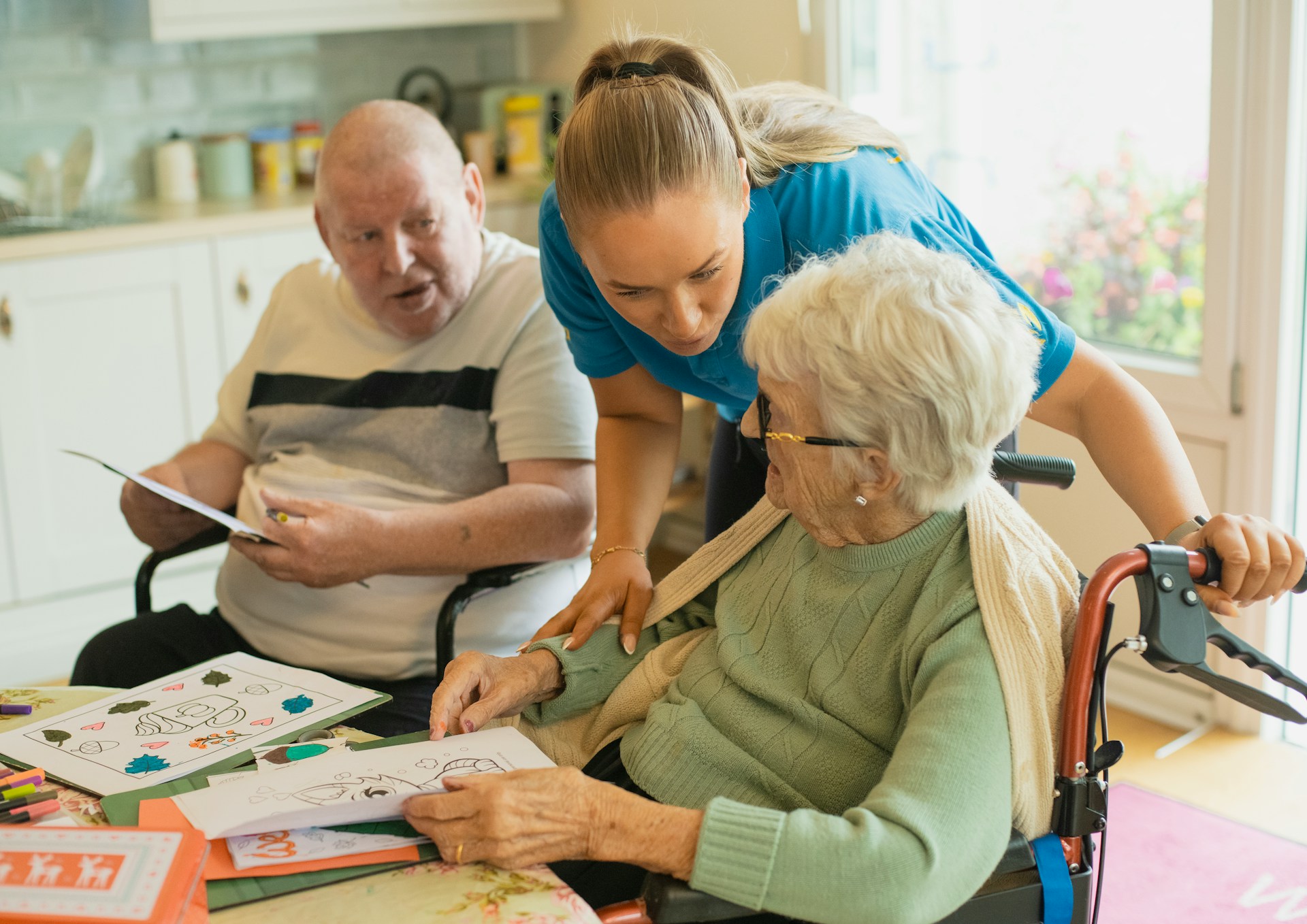
Environment matters more than we once admitted. Recovery does not happen in a vacuum, and it rarely thrives in cold, institutional spaces. Many California luxury mental health facilities have embraced this truth by creating settings that feel restorative rather than clinical. Natural light, outdoor therapy sessions, farm to table meals, and thoughtfully designed living spaces are not indulgences. They reduce stress, encourage openness, and give people room to breathe.
The geography helps, of course. Coastal air, mountain retreats, desert stillness, each region offers a distinct atmosphere. Yet what truly sets these facilities apart is how intentionally they use their surroundings. Hiking groups are woven into treatment plans. Mindfulness sessions happen on terraces overlooking the ocean. Even something as simple as eating meals outdoors can shift a person’s nervous system into a more regulated state. The setting becomes part of the therapy rather than a backdrop.
Integrated Care That Feels Personal
One reason California stands out is its embrace of whole person care. Instead of separating mental health from physical health, programs frequently combine psychiatric oversight, trauma informed therapy, nutritional counseling, movement, and creative expression. It feels less like ticking boxes and more like building a comprehensive support system.
Clinicians here tend to collaborate closely. Therapists speak with psychiatrists. Nutritionists coordinate with primary therapists. Treatment plans evolve as progress unfolds, rather than staying rigid. That flexibility can make a real difference, especially for those who have tried traditional outpatient care and felt stuck.
There is also a strong emphasis on evidence based approaches, including cognitive behavioral therapy, dialectical behavior therapy, and trauma specific modalities. At the same time, many centers incorporate complementary practices such as yoga, breathwork, or equine therapy. The balance between science and supportive lifestyle practices is handled thoughtfully, not as a trend but as a practical extension of care.
Lifestyle Integration Beyond The Therapy Room
What makes California’s model especially compelling is the way it bridges treatment and daily life. Recovery is not meant to live only inside a therapy office. It has to carry into mornings, relationships, work, and weekends. That is where practical structure and simple wellness tips come in, often woven into programming without feeling forced.
Clients may learn how sleep hygiene affects mood stability, or how nutrition supports emotional regulation. They practice communication skills in real time, not just abstract concepts. Movement becomes a regular rhythm rather than a one off activity. These lessons are small on the surface, but they build resilience over time. The goal is not perfection. It is consistency and awareness.
By normalizing these habits, facilities help people leave with tools instead of just insights. That shift, from temporary stabilization to sustainable living, is a major reason the state has earned its reputation.
Access To Specialized Programs
California also benefits from scale. With a large and diverse population, the state supports specialized programs that may not exist elsewhere. There are centers focused on trauma recovery, eating disorders, dual diagnosis care, adolescent programs, and executive retreats that accommodate professionals who cannot step fully away from their responsibilities.
This variety means individuals are more likely to find a setting that aligns with their needs and values. Some prefer intimate residential homes with small group sizes. Others choose larger campuses with robust medical teams. The options do not dilute quality. In many cases, they raise the bar through healthy competition and cross pollination of ideas.
The presence of top universities and research institutions also contributes to progress. Clinical staff often engage with emerging research and continuing education, keeping programs current rather than static. That culture of growth feeds directly into patient care.
A Cultural Shift Around Mental Health
Beyond facilities and programs, California reflects a broader cultural openness around emotional wellbeing. Conversations about therapy, stress, burnout, and trauma are more mainstream here than they were a decade ago. Public figures speak candidly about their own journeys. Employers increasingly support mental health days and comprehensive benefits.
This cultural backdrop reduces stigma and makes it easier for someone to step into treatment without feeling labeled. When seeking help feels normalized, people tend to enter care earlier, which often leads to stronger outcomes. The message is not that struggle defines a person. The message is that support exists and growth is possible.
California’s leadership in mental health rehab did not happen overnight. It grew from a mix of innovation, investment, and a willingness to rethink what healing environments can look like. While other states are catching up, the West Coast continues to push forward, refining models that treat individuals as whole human beings rather than diagnoses.
Looking Ahead At A New Standard Of Care
The future of mental health treatment will likely borrow heavily from what California has already built, integrated care, restorative environments, and programs that respect both evidence and everyday living. Recovery is not about isolating symptoms. It is about rebuilding stability, connection, and purpose in ways that last beyond discharge.
As more regions adopt similar frameworks, access will hopefully expand nationwide. For now, California remains a benchmark, not because it is flashy, but because it has shown that thoughtful design, collaborative care, and human centered philosophy can coexist with rigorous clinical standards. That combination sets a new expectation for what modern mental health rehab can be.