

If you are curious about what you might be able to do to improve your workouts, there are actually a lot of approaches that you might want to be aware of and try out. There comes a point in almost every fitness journey when things begin to feel stale. The same exercises, the same weekly structure, the same sense that progress has quietly plateaued while you weren’t looking. It’s not always dramatic – often it’s subtle, like a dimming of momentum rather than a complete halt. But the effect is the same: workouts lose their edge, motivation dips, and results become harder to come by. Revitalising your workout regime doesn’t require a total reinvention. In fact, the most effective changes are often measured, thoughtful, and rooted in a deeper understanding of how your body adapts. What you’re really doing is reintroducing novelty, challenge, and purpose into something that’s become overly familiar.
The Plateau Is a Signal, Not a Failure
A plateau isn’t a sign that something has gone wrong, it’s a sign that your body has become efficient. The human body is remarkably good at adapting to repeated stress. If you’ve been lifting the same weights, running the same distances, or following the same routines for months, your body has likely learned how to perform those tasks with minimal strain. The solution is not simply “more effort,” but different effort. This could mean increasing resistance, changing rep ranges, altering tempo, or even switching the modality altogether. If you’ve been focused on strength, introduce elements of endurance. If you’ve been running, consider incorporating resistance training or mobility work. The goal is to disrupt the pattern just enough to force adaptation again.
Intensity Over Volume
There’s a temptation, especially when progress stalls, to simply do more. More sets, more sessions, more time in the gym. But volume without intention often leads to fatigue rather than improvement.
Instead, consider refining the quality of your workouts. Shorter, more focused sessions with deliberate intensity can be far more effective than long, unfocused ones. This might mean pushing closer to muscular failure in fewer sets, or introducing techniques like drop sets, supersets, or paused reps to increase the challenge without extending the duration. It’s also worth paying attention to rest. Both between sets and between sessions, recovery is where adaptation actually happens. Without it, even the most well-designed programme will eventually grind to a halt.
Reconnecting With Purpose
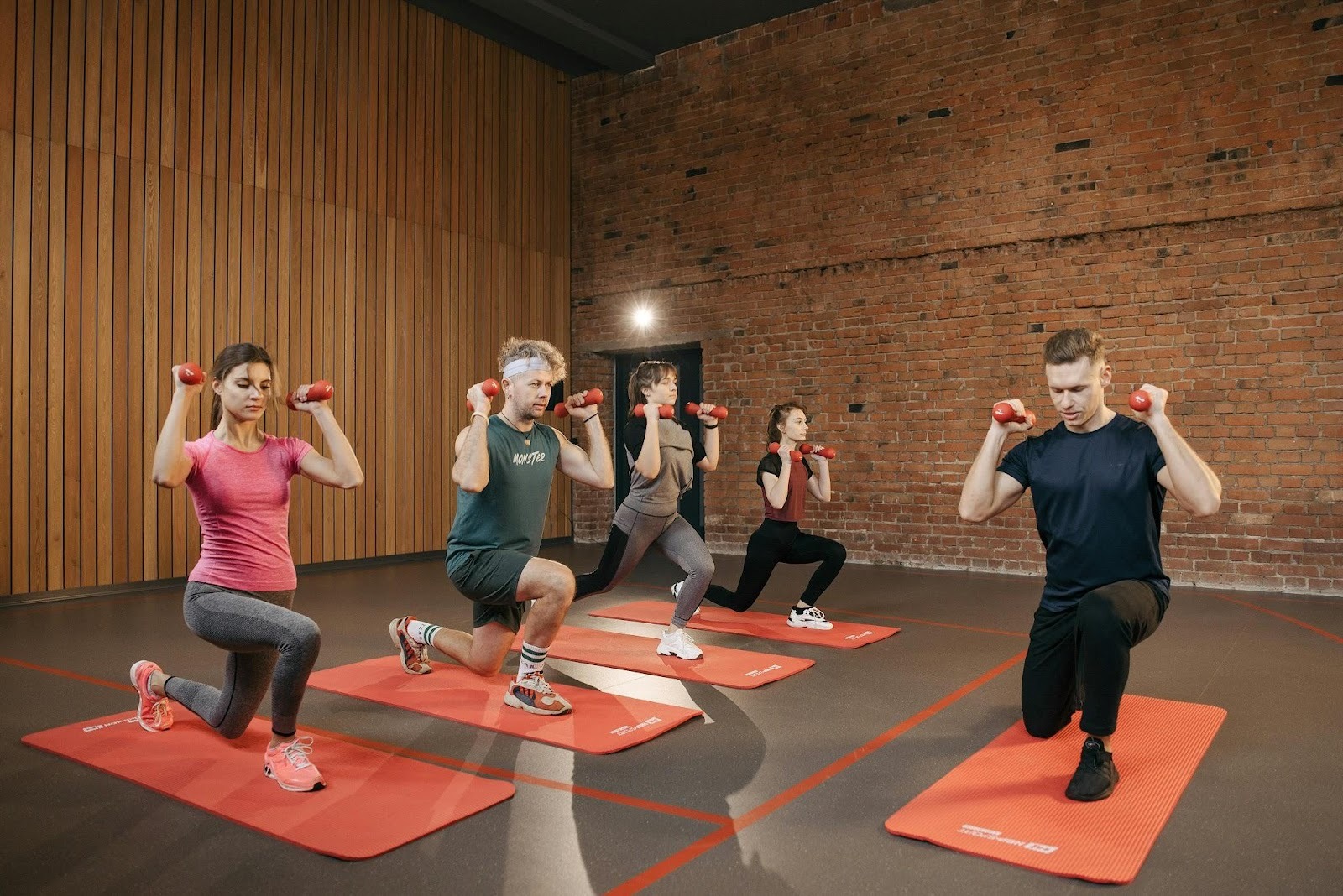
Sometimes the issue isn’t physical at all. It’s psychological. When you first started training, there was likely a clear reason: whether it was building muscle, losing weight, improving health, or simply feeling better in your own body. Over time, that reason can become blurred or taken for granted. Revisiting your “why” can be surprisingly powerful. It doesn’t have to be dramatic. It might be as simple as wanting to feel stronger, move more freely, or maintain long-term health. But having a sense of direction makes it easier to engage with your workouts as something meaningful rather than routine. You might also experiment with new goals. Training for a specific event, learning a new skill, or setting performance-based targets can inject a sense of progression that goes beyond aesthetics.
The Role of Recovery and Adaptation
A renewed workout regime isn’t just about what happens during exercise. It’s equally about what happens outside of it. Sleep, nutrition, hydration, and stress management all play a role in how effectively your body responds to training. If you’ve been pushing hard but neglecting recovery, that alone could explain a lack of progress. Even small improvements – going to bed earlier, increasing protein intake, or managing stress more effectively – can have a noticeable impact. Mobility and flexibility work are often overlooked here as well. Incorporating regular stretching or movement-focused sessions can improve performance, reduce injury risk, and make workouts feel more fluid and less taxing.
Exploring New Tools and Approaches
As fitness science evolves, so too do the tools and methods available. One area that has gained increasing attention is the use of peptides in supporting training and recovery. You may be keen to buy peptides online to aid your workouts. Peptides are short chains of amino acids that act as signalling molecules in the body, influencing processes such as muscle growth, fat metabolism, and tissue repair. Some individuals explore specific peptides to enhance recovery, improve sleep quality, or support muscle development. While research is ongoing and results can vary, their growing popularity reflects a broader trend toward more targeted, biologically informed approaches to fitness.
Changing the Environment
Sometimes, the simplest way to refresh your routine is to change where or how you train. A new gym, a different class, or even taking your workouts outdoors can shift your perspective in subtle but meaningful ways. Environment influences mindset more than we often realise. A fresh setting can make familiar exercises feel new again, while also introducing you to different equipment, techniques, or communities. Even small changes – like adjusting your workout time or listening to different music – can alter the experience enough to reignite engagement.
Consistency With Variation
There’s a balance to be struck between consistency and change. Too much variation can make it difficult to track progress, while too little can lead to stagnation. The aim is structured variation: keeping a core framework while rotating specific elements within it. For example, you might maintain a consistent weekly schedule but vary the exercises every few weeks. Or keep the same exercises but change the rep ranges and intensity. This allows you to build on previous progress while still introducing enough novelty to drive adaptation.
A Long-Term Perspective
Ultimately, giving your workout regime a new lease on life is less about a single change and more about an ongoing process of adjustment. Fitness is not static. Your body changes, your goals evolve, and your circumstances shift. What worked six months ago may not work now – and that’s entirely natural.
Approaching your training with curiosity rather than frustration can make this process far more sustainable. Instead of seeing plateaus as problems, you begin to see them as invitations to refine your approach. Instead of chasing constant progress, you learn to work with the natural rhythms of effort and recovery. And in doing so, your workouts become less of a routine to endure and more of a practice to engage with – something that continues to evolve alongside you, rather than something you eventually outgrow.