
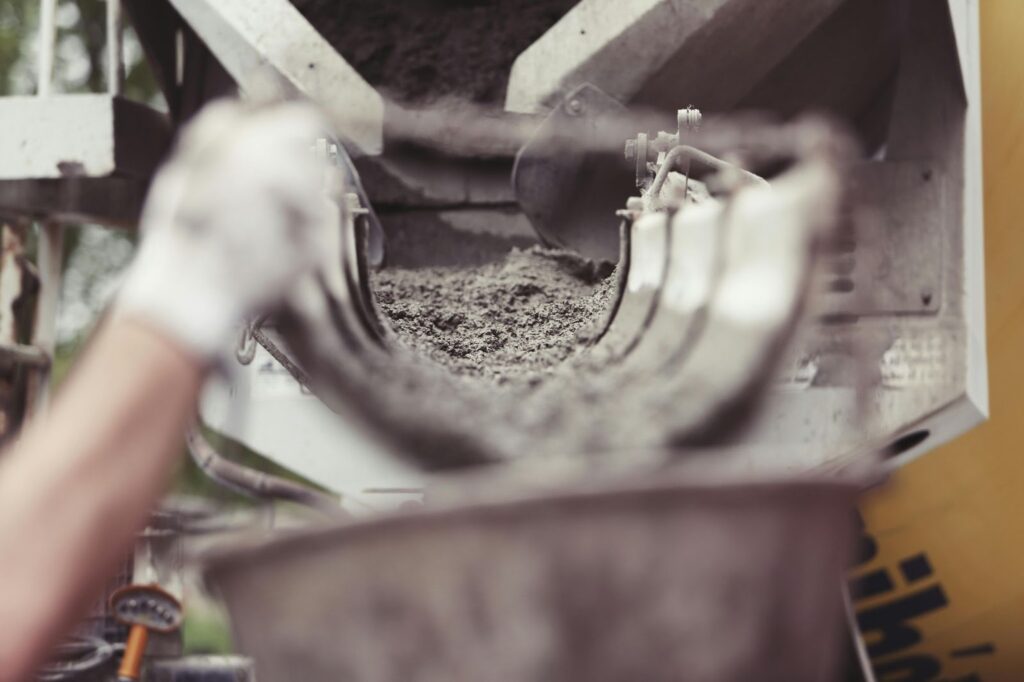
Understanding how to use concrete is a fundamental element of running or managing a construction company, and it’s key to get it right from the start. Concrete is literally the foundation of the business you conduct on a daily basis, and a wrong move here could spell disaster for the project as a whole.
Concrete is a very versatile product: it can be mixed and applied in many different ways, and learning the basics will formulate an understanding that you’ll take with you throughout your career.
To help get you started, this article will cover what you need to know to set off on the right track.
Image Credit: Pexels
Understanding the Applications of Concrete
As touched on above, concrete can be used in a variety of ways. Primarily, it forms the foundational components of civic infrastructure across the globe, from industrial pipeways to lift shafts. At the same time, it’s also often used as a decorative feature, and you can take a look at brutalist architecture from the 1950s to 1970s to get a feel for how concrete has been utilized from a stylistic standpoint.
Of course, it’s also used all over the streets as paving as well as in home gardens, and people have even started to incorporate elements into their kitchens with concrete countertops and in their bathrooms. The stylish elements of concrete have truly come into their own in the age of minimalism, as clean lines, muted color pallets, and industrial overtones have become commonplace all over the world.
Getting the Right Mix
No matter what reason you’re implementing concrete, the mix is essential, and there are many factors that go into this.
Proportion – the ratios of concrete mixture to water – is key, and added aggregates must be of high-quality to ensure the concrete stays strong once it’s applied. There are also variations on the standard mix, such as the inclusion of admixtures for improving the curing rate and making the final mix easier to apply – it simply depends on what you’re using it for.
As a contractor, you’ll need to spend plenty of time vetting suppliers to ensure that each element in the mix is perfect for what you want to do, and that each batch you mix is of the same quality as the last.
Tools and Equipment
Then, there’s what you use to actually complete the mix. Drum mixers are common place on construction sites and get the job done nicely, while continuous mixing systems may be required for projects of a larger size.
There may also be a need to use specialist equipment for some projects. You can use a pugmill for concrete, for example, that may be required to ensure optimal stability in certain cases.
Beyond this, it’s important to understand drying times and maintain an efficient pipeline from mix to application to make sure nothing is wasted and projects don’t get held up.
Wrapping Up
This article by no means covers everything to do with using concrete in construction, but it’s a start. Hopefully, it makes the learning process feel a little less daunting. Good luck!