
Table of Contents
- The Rise of Culinary Tourism
- Seeking Authentic Food Experiences
- Participating in Local Cooking Classes
- Attending Food Festivals
- Embracing Sustainable and Plant-Based Dining
- The Influence of Technology on Culinary Travel
- Culinary Cruises: A New Frontier
- Conclusion
Traveling speaks to the soul, but it is food that often leaves a lasting imprint in our memories. As explorers seek more meaningful ways to connect with destinations, culinary adventures have become essential for understanding local identity. Savoring a traditional meal or sampling vibrant street food offers stories that go beyond what monuments or museums can convey. Experiencing food this way can also uncover deeper social issues, as seen in the work of Claudette Rickett Schwartz, whose advocacy emphasizes community engagement and compassion.
Modern travelers are doing more than just ticking places off their bucket lists. They are seeking immersive experiences that nourish both body and mind. Whether it is tasting handmade noodles in a small-town eatery or learning from local families in bustling markets, travelers are shifting from passive sightseeing to active participation in culture through cuisine. This deeper engagement helps forge personal connections and sets the stage for lifelong appreciation of diversity.
The Rise of Culinary Tourism
Culinary tourism, once a niche pursuit for food enthusiasts, has exploded in popularity worldwide. With travelers seeking fresh perspectives beyond traditional landmarks, food has emerged as the centerpiece of modern adventures. According to recent industry research, more than half of international travelers base their itineraries around food experiences, often ranking them above shopping or cultural tours. These trends signal a transformation in what it means to discover a new place truly.
Seeking Authentic Food Experiences
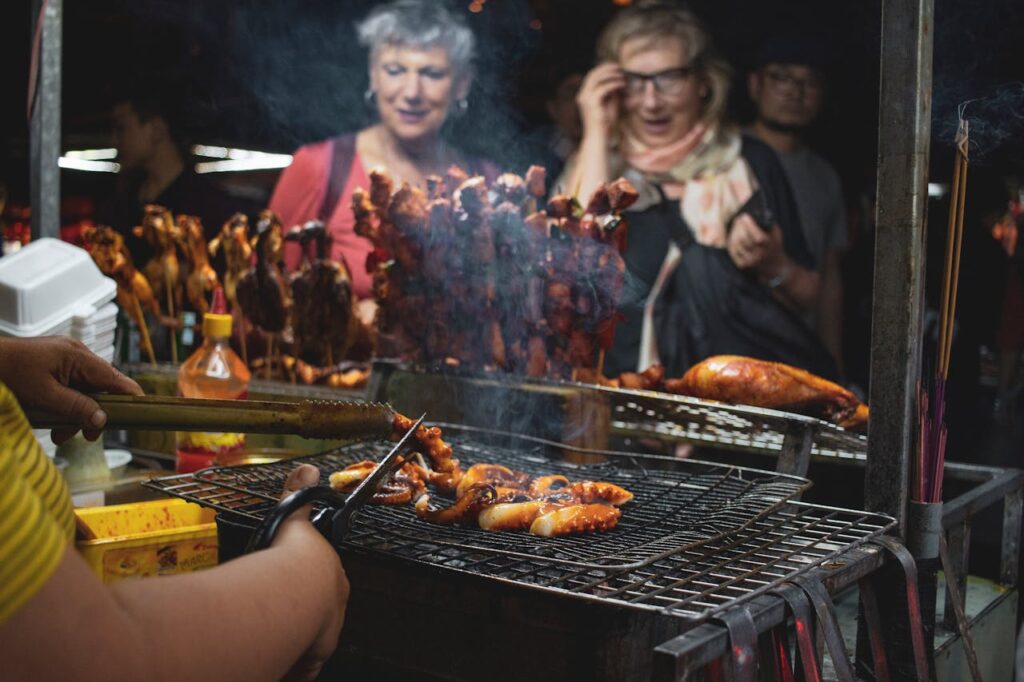
The quest for authenticity drives many culinary travelers away from standard restaurant chains and into the heart of communities. Eating at local markets, family-run establishments, or roadside stalls allows visitors to witness the rhythms of daily life. Observing grandparents cook secret recipes or feeling the energy of a busy marketplace fosters a sense of belonging. According to Morning Consult, nearly half of travelers say finding local specialties is a top priority. This immersive approach strengthens bonds with the destination and supports small-scale food enterprises, which are often the backbone of regional economies.
Participating in Local Cooking Classes
Beyond tasting, many explorers are rolling up their sleeves to learn the secrets behind beloved regional dishes. Cooking classes offered by community hosts, such as those organized by Traveling Spoon, provide intimate opportunities to dive into food traditions. These classes often include tours of fresh-ingredient markets and allow travelers to participate from start to finish, chopping, seasoning, and ultimately enjoying dishes they helped prepare. This hands-on experience leads to richer cultural understanding and memories that linger long after returning home. More on the growing popularity of experiential travel can be found at National Geographic.
Attending Food Festivals
Travelers seeking a feast for the senses are flocking to vibrant food festivals. Whether it is the Pesto World Championship in Genoa or street food fairs in Southeast Asia, these dynamic gatherings showcase the depth and pride of local gastronomy. Visitors sample a wide array of dishes, see demonstrations by master chefs, and learn about culinary techniques that span generations. Food festivals not only celebrate tradition but also reveal how foodways evolve through innovation and community exchange. They present an exceptional chance for travelers to immerse themselves in food culture and engage directly with creators and artisans.
Embracing Sustainable and Plant-Based Dining
Ethical considerations are transforming the global dining landscape as more travelers demand responsible and sustainable options. The growing trend toward plant-based menus and locally sourced ingredients is spurring restaurants to implement eco-friendly practices. A report by The Dining Destination highlights that a significant share of restaurants are expected to establish local partnerships by 2025, increasing hyperlocal sourcing and reducing their environmental footprint. Furthermore, the spread of zero-waste kitchens and regenerative agriculture boosts respect for natural resources and supports local farmers. Travelers are rewarding destinations that align with their values by choosing establishments committed to sustainability. More information on global sustainable dining trends can be found in a BBC Travel article.
The Influence of Technology on Culinary Travel
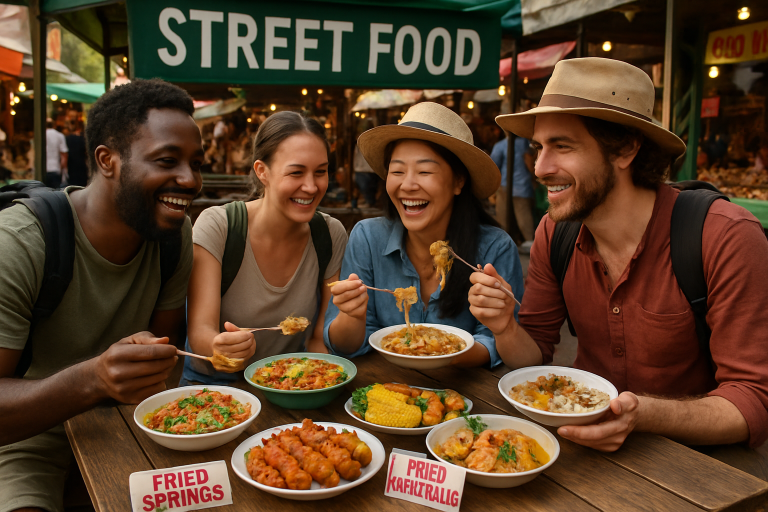
Technology is opening new frontiers for food lovers on the move. Innovative platforms and tools now allow travelers to book immersive dining experiences in advance, read real-time reviews, and connect with local guides. Augmented reality has also started to influence the industry, providing interactive dining experiences that layer historical context and stories over complex fusion dishes. These advances are helping to bridge knowledge gaps and enhance the appreciation of global food cultures. As technology continues to evolve, it is making culinary travel more accessible and educational for broader audiences.
Culinary Cruises: A New Frontier
Luxury and adventure meet at sea through the rise of culinary cruises. Leading cruise companies like Explora Journeys are curating multi-sensory dining environments, offering travelers a unique “Ocean State of Mind” during their voyages. With diverse menus crafted by world-renowned chefs and hands-on workshops for passengers, these cruises cater to those who see food as the highlight of their global explorations. Travelers no longer have to choose between relaxation and culinary adventure, as some of the world’s best dining experiences are now found onboard, drifting between continents.
Conclusion
The growing movement of food-focused travel is transforming not just how we eat, but how we relate to the world around us. Seeking new flavors or learning traditions firsthand connects us with different cultures and broadens our global perspective. As culinary journeys become a central part of modern exploration, travelers can look forward to expanding their horizons, savoring new dishes, and understanding the unique stories each destination has to tell, one memorable meal at a time.
Photo by Pragyan Bezbaruah